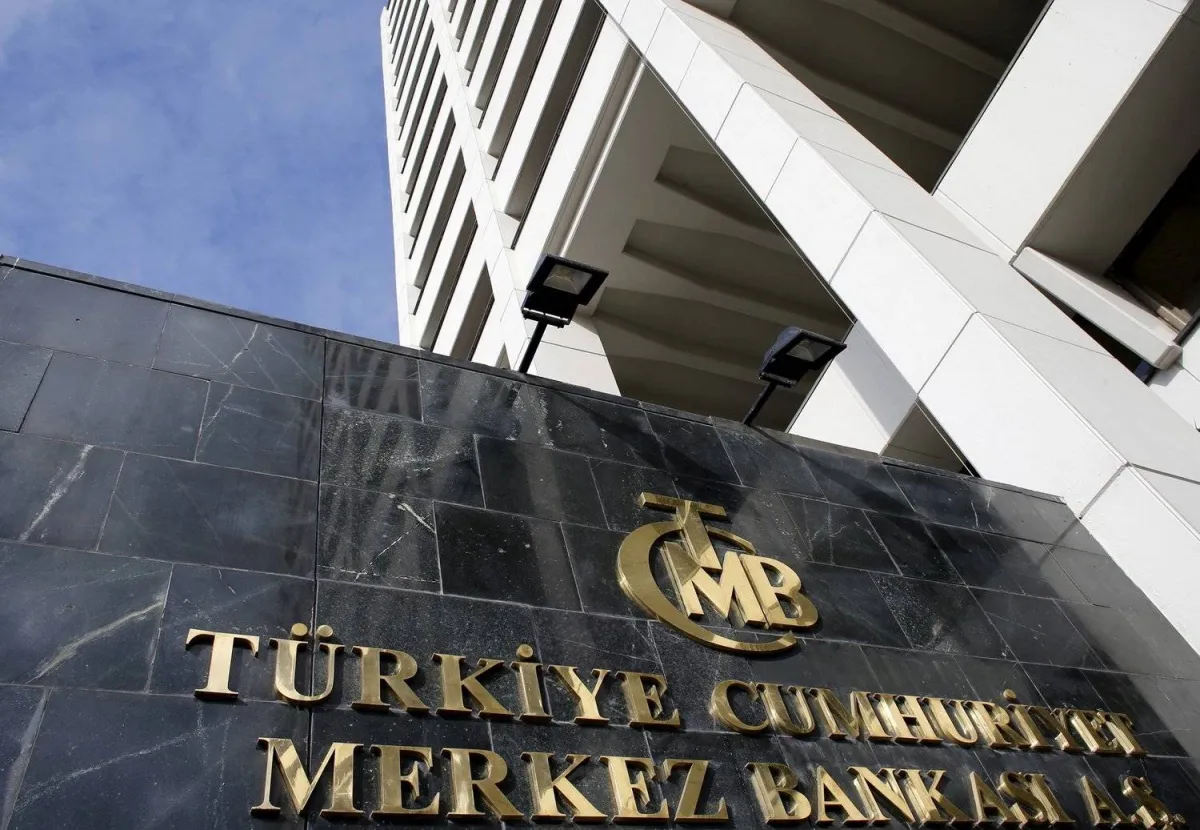
Foreign central banks have decreased their holdings of US Treasury bonds deposited at the Federal Reserve Bank of New York to the lowest level since 2012, according to the Financial Times. This move comes as countries seek to sell these sovereign assets to support their economies and protect their local currencies from collapse following the outbreak of war on Iran.
Data from the Federal Reserve shows that the value of bonds held by international official institutions—primarily central banks and governments—has dropped by $82 billion since February 25, settling at $2.7 trillion. This sharp decline, which occurred within just one month since the war began, reflects the extent of the disruption faced by oil-importing countries due to the surge in energy prices triggered by Iran's closure of the vital Strait of Hormuz.
Details of the Event
The significant rise in oil prices and the widespread strengthening of the dollar have left central banks with little choice but to intervene in foreign exchange markets to support their currencies, a process that typically requires liquidating US bonds to obtain dollar liquidity. Megan Swiber from Bank of America confirmed that "foreign official sector is intensively selling Treasury bonds."
Brad Setser, a senior fellow at the Council on Foreign Relations, explained that oil importers such as Turkey, India, and Thailand are likely at the forefront of the sellers, as they are forced to pay higher amounts for dollar-denominated oil. Official data indicates that the Turkish central bank alone has sold $22 billion in foreign government securities from its reserves since February 27, the day before the attacks on Iran, with a significant portion of these sales believed to be US Treasury bonds.
Context and Background
Countries are striving to protect their currencies from depreciation, as a weak currency raises the local price of oil, necessitating either increased government support or causing severe harm to households. In this context, Stephen Jones, Chief Investment Officer at Aegon Asset Management, noted that the data suggests foreign official entities are "fortifying war chests" by liquidating bonds to obtain urgent cash to cope with volatility.
Although some analysts indicated that these holdings may have shifted to other intermediaries outside the Federal Reserve Bank of New York, Swiber confirmed that the recorded sales volume remains significant, especially since the Treasury bond market has tripled in size since 2012, the year that saw similar levels of selling.
Consequences and Impact
The sales by central banks come at a sensitive time when the US bond market is already under selling pressure, as traders fear that the Middle Eastern conflict could exacerbate global inflation. This pressure has pushed yields on two-year and ten-year bonds to rise this month at the fastest pace since 2024, increasing borrowing costs not only for the US government but also for businesses and households.
Reports indicate that this movement reflects the efforts of foreign reserve managers and official accounts to diversify their assets away from US Treasury bonds, making private sector foreign investors play an increasingly important role in this market, which is the largest and deepest in the world, valued at $30 trillion.
Impact on the Arab Region
In the bleakest assessment since the outbreak of military confrontations in the region, the United Nations Development Programme warned that the military escalation in the Middle East, now entering its fifth week, poses unprecedented risks to the developmental trajectory of the Arab region. Recent estimates suggest that the economies of the Arab region are expected to incur losses ranging between $120 billion and $194 billion, equivalent to a loss of 3.7 percent to 6.0 percent of their total GDP.
This financial hemorrhage is accompanied by a sharp rise in unemployment rates, translating into a loss of 3.6 million jobs, a figure that exceeds the total jobs created in the Arab region throughout the entire year of 2025. The programme warns that the ongoing crisis jeopardizes monetary stability in the Arab region, potentially forcing central banks to make difficult choices.
In conclusion, these rapid developments reflect the urgent need for regional cooperation and the enhancement of financial and social policies to address the increasing economic challenges.