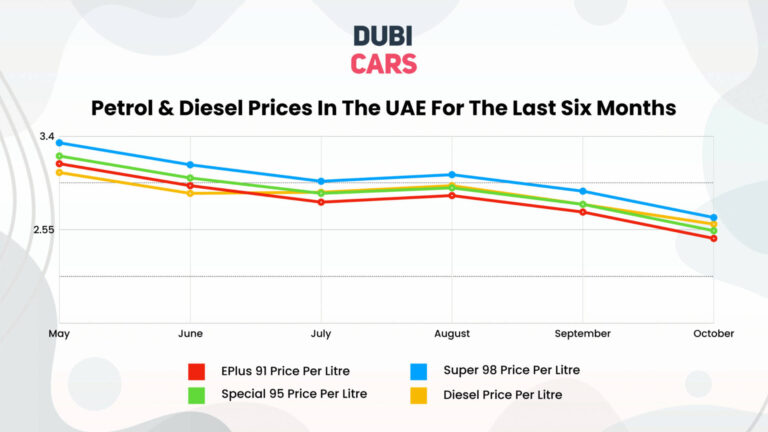
Global diesel prices have experienced a remarkable increase in recent weeks, causing widespread concern among consumers and traders alike. Prices have reached unprecedented levels, threatening to raise transportation and goods costs across various markets.
This price surge comes at a time when many countries are suffering from the repercussions of ongoing economic crises, including the fallout from the COVID-19 pandemic and the war in Ukraine. Experts have pointed out that this increase could lead to negative effects on the global economy, especially given the heavy reliance on diesel in the transportation sector.
Details of the Event
According to reports, diesel prices have risen by as much as 20% over the past month, making them among the highest recorded in recent years. This increase is attributed to several factors, primarily the rising demand for energy amid economic recovery following the pandemic, along with disruptions in supply chains resulting from geopolitical conflicts.
Additionally, reports from the Organization of the Petroleum Exporting Countries (OPEC) indicate that global oil production has not kept pace with the increasing demand, contributing to the price hikes. Some oil-exporting countries have expressed concern about the impact of these increases on market stability.
Background & Context
Historically, diesel prices have fluctuated significantly due to various factors, including political and economic crises, as well as climate changes affecting oil production. In recent years, geopolitical tensions, such as the conflict in Ukraine, have led to increased instability in energy markets.
The shift towards alternative energy and innovations in transportation may also impact diesel prices in the future. However, diesel remains a crucial part of the transportation infrastructure in many countries, making any increase in its prices a sensitive issue.
Impact & Consequences
Economic analyses predict that the rise in diesel prices will lead to increased transportation costs, which will, in turn, reflect on the prices of goods and services. This situation could strain household budgets, especially in countries that heavily rely on road transport.
Moreover, small and medium-sized enterprises may face greater challenges in coping with this increase, potentially leading to reduced operations or even closures. Experts indicate that governments may need to intervene to mitigate the negative impact on the local economy.
Regional Significance
In the Arab region, where many countries rely on oil exports, the rise in diesel prices could have a dual impact. On one hand, exporting countries may benefit from increased revenues, but on the other hand, importing countries may face significant economic challenges.
Concerns are growing that rising prices could lead to increased inflation, which may affect social and economic stability in many Arab countries. Therefore, governments need to devise effective strategies to address these challenges.
In conclusion, the rise in diesel prices remains a matter that requires close monitoring by governments and markets, as its repercussions could have far-reaching effects on both the global and local economies.