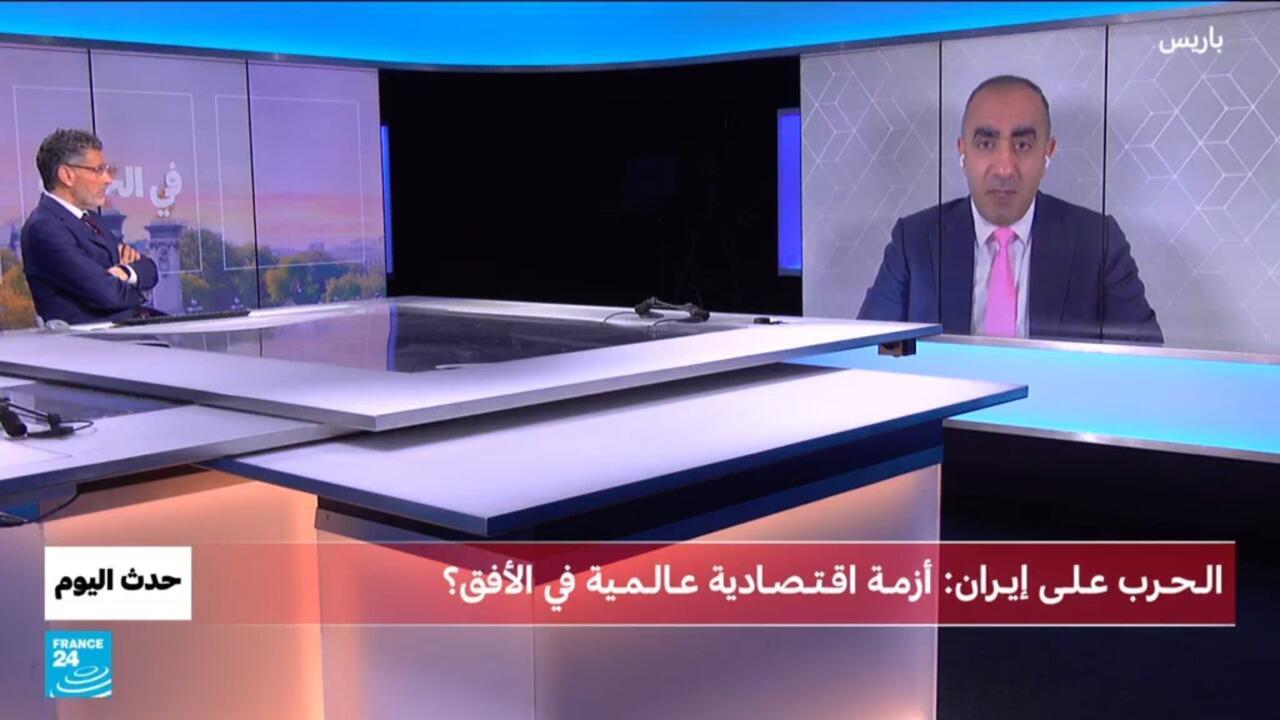
Concerns are mounting regarding the potential fallout from a war on Iran, with forecasts indicating that targeting Iranian energy facilities and closing the Strait of Hormuz could lead to a global economic crisis. These developments could significantly impact oil prices and financial markets, raising alarms for both consumer and exporting nations.
In this context, the program "Today’s Event" hosts economic researcher Amer Al-Shobki, who highlights the economic risks associated with military escalation in the region. Al-Shobki points out that any escalation in the conflict could lead to a substantial rise in oil prices, affecting the global economy and increasing the cost of living in many countries.
Details of the Event
Iran is considered one of the largest oil producers in the world, playing a vital role in balancing energy markets. If its oil facilities are targeted, this could lead to a reduction in global supplies, sharply driving up prices. Additionally, the closure of the Strait of Hormuz, which is a critical transit point for oil transport, would exacerbate the crisis and increase pressures on the global economy.
Historically, the region has witnessed similar tensions, where previous crises led to unprecedented spikes in oil prices. For instance, during the Second Gulf War, oil prices surged significantly due to concerns over supply disruptions.
Context and Background
These developments come at a sensitive time, as the global economy is already suffering from the repercussions of the COVID-19 pandemic and rising inflation. The increase in energy prices has added pressure on governments and businesses, threatening economic recovery. In this context, Iran is a pivotal point in the global energy equation, and any escalation in the conflict could negatively impact the global economy.
Moreover, tensions between Iran and the United States and its allies could lead to military escalation, increasing instability in the region. This situation could affect corporate investments and lead to a decline in market confidence.
Consequences and Impact
If tensions continue to escalate, financial markets may experience significant volatility, as investors flock to safe assets like gold and the dollar. Additionally, rising oil prices could lead to increased transportation and production costs, affecting prices across all sectors.
Furthermore, oil-importing countries will face substantial challenges in managing their budgets, as they may need to increase government support to mitigate the impact of rising prices on citizens. This could exacerbate fiscal deficits in many countries, increasing pressures on the global economy.
Impact on the Arab Region
Arab countries play an important role in the global energy equation, and any escalation in the Iranian conflict could directly affect their economies. Gulf countries, in particular, heavily rely on oil exports, and any rise in prices could positively impact their revenues, but at the same time, it could lead to increased regional tensions.
On the other hand, countries that depend on oil imports will face significant challenges, as rising prices could worsen economic and social crises. Therefore, the situation requires international coordination to avoid escalation and ensure market stability.
In conclusion, the situations in Iran and the Strait of Hormuz remain under scrutiny, as any new developments could have far-reaching implications for the global economy, necessitating close monitoring by all concerned parties.