Global markets are entering a critical week, anticipating the release of essential economic data that will reveal for the first time the true extent of the damage inflicted by the war in Iran on employment, manufacturing, and global price levels. Economic data is no longer the sole driver for investors; it has become closely linked to developments on the ground in the region.
In the United States, all eyes are on the non-farm payroll report for March, set to be released this coming Friday, which represents a real test of the strength of the U.S. economy amid a sharp rise in fuel prices. While experts at HSBC predict modest positive growth, markets are pricing in a 42% chance of an interest rate hike in 2026 instead of a cut, driven by concerns over 'eroding purchasing power' and rising production costs stemming from the Middle Eastern conflict.
Details of the Event
In a short workweek due to the Easter holidays, Europe is awaiting the release of preliminary inflation data for March, starting with Germany on Monday, followed by France, Italy, and the Eurozone on Tuesday. These figures hold exceptional importance as they represent the 'first laboratory' for measuring the real impact of the conflict in the Middle East on the wallets of European consumers, according to the Wall Street Journal.
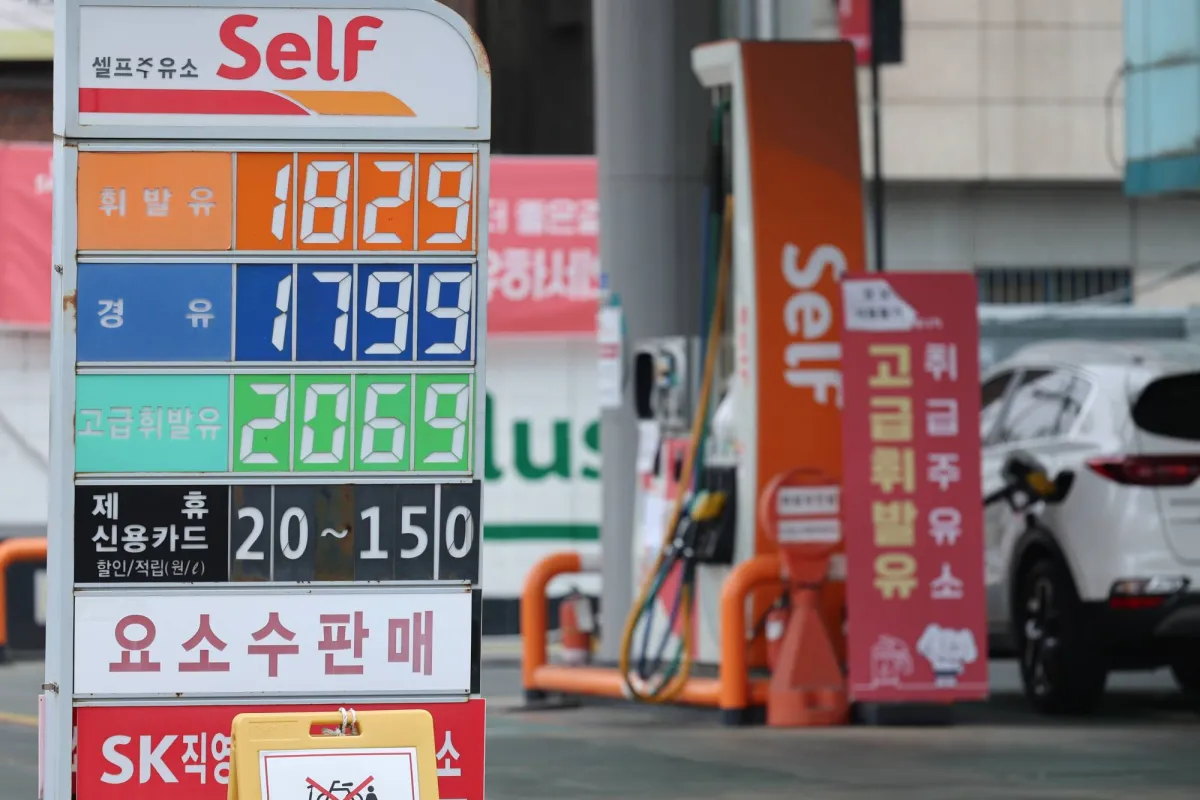
Analysts from Investec and HSBC believe that the sudden spike in global energy prices, particularly natural gas which has risen by 60%, is already seeping into agricultural and industrial production costs through the 'fertilizers' and raw materials gateway. With the euro's value declining against the dollar, the import bill has sharply increased, placing the European Central Bank in an 'existential dilemma'; on one hand, imported inflation pressures it to raise interest rates, while on the other, a slowdown in consumption threatens to push the continent into a prolonged 'stagflation'.
Background & Context
According to the Wall Street Journal, markets are no longer betting on interest rate cuts this summer; instead, they have begun to brace for scenarios where inflation remains above the 2% target for longer than expected. The British government bond market (Gilts) is experiencing one of the most severe waves of turmoil since the mini-budget crisis; 'war realities' have completely flipped expectations. Just a month ago, markets were anticipating two rate cuts in 2026, but the narrative has entirely reversed, with swap contracts now pricing in three consecutive rate hikes to combat inflationary pressures caused by supply chain disruptions through the Strait of Hormuz.
In this context, financial circles are awaiting the release of revised GDP data on Tuesday; not only for its historical value but to understand the economic solvency and the starting point from which the British economy began to confront the current shock. What concerns investors even more are the data from LSEG, indicating a 73% chance that the Bank of England will need to move and raise rates 'aggressively' at its next meeting, which has driven bond yields to levels reflecting market fears of the economy entering a phase of ongoing uncertainty.
Impact & Consequences
Global markets are cautiously awaiting the release of official and private purchasing managers' indices in China on Tuesday and Wednesday; these data represent the 'moment of truth' for the Asian giant's ability to absorb the cost shocks resulting from the Middle Eastern war. Despite optimistic forecasts from ING experts for a return to manufacturing activity in the expansion zone in March, concerns are focused on 'profit margins' that are melting under the pressure of skyrocketing raw material prices and alternative shipping costs.
According to Standard & Poor's data, small and medium-sized Chinese enterprises are facing dual pressures; on one hand, there is a rise in energy costs necessary for factory operations, and on the other, there is fear of declining 'global demand' due to the inflation wave hitting Western markets. Any unexpected contraction in Chinese construction or manufacturing activity this week would serve as an early warning signal for a slowdown in global growth; especially as Beijing finds itself compelled to balance supporting the local economy with an inflated energy import bill traversing longer and more costly maritime routes, away from the Strait of Hormuz.
Regional Significance
In Japan, financial markets are awaiting the release of the Bank of Japan's summary of opinions on Monday, amid unprecedented pressures on the yen, which is fluctuating against the strength of oil-backed dollars. While the bank maintained the interest rate at 0.75% in its last meeting, the escalating pace of the war in Iran has placed policymakers in Tokyo before a harsh reality: Japan, which imports most of its energy needs through the Strait of Hormuz, finds itself needing to monitor the acceleration of core inflation driven by shipping and fuel costs.
In South Korea, despite expectations of a 42.9% growth in exports thanks to the chip sector, 'import inflation' remains the biggest threat to the stability of the Korean trade balance. India, the world's third-largest oil consumer, does not seem insulated from the fallout of the conflict; the Indian rupee is facing increasing pressures due to a widening current account deficit alongside rising energy costs.
In conclusion, these global economic developments reflect the impacts of the war in Iran across various sectors, necessitating urgent measures from countries to address the growing economic challenges.