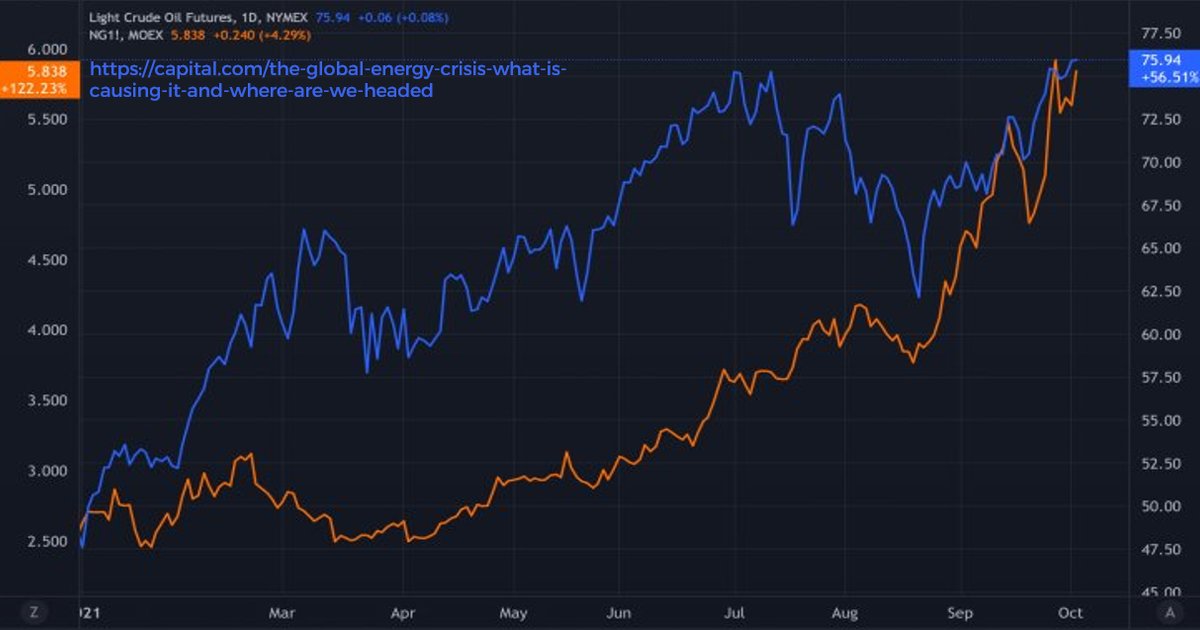
The Director of the International Energy Agency, Fatih Birol, confirmed that the current energy crisis is the worst in the history of the sector, noting that its repercussions extend beyond national borders and significantly impact the global economy.
In statements made during a press conference, Birol explained that the sharp rise in energy prices witnessed in global markets is a result of increased demand for energy following the COVID-19 pandemic, in addition to geopolitical crises affecting certain regions.
Details of the Crisis
Birol pointed out that gas and oil prices have risen to unprecedented levels, exacerbating economic conditions in many countries. He added that nations heavily reliant on energy imports face greater challenges amid this crisis.
He also stressed the urgent need to adopt more sustainable energy policies, emphasizing the importance of transitioning to renewable energy sources to reduce dependence on fossil fuels.
Background & Context
Historically, global markets have experienced multiple energy crises, but the current crisis differs in its severity and impacts. Political crises, such as the conflict in Ukraine, have led to significant fluctuations in energy prices, negatively affecting global economic stability.
Additionally, the COVID-19 pandemic has contributed to changing consumption patterns, increasing pressure on global energy networks. These combined factors have made the current crisis one of the most complex.
Impact & Consequences
The International Energy Agency anticipates that the repercussions of this crisis will last for an extended period, potentially leading to increased inflation in many countries. The rise in energy prices may also affect production costs, negatively impacting the prices of goods and services.
At the same time, this crisis may accelerate the transition to renewable energy, as countries seek to reduce reliance on traditional energy sources. This shift could open new avenues for investment in clean energy sectors.
Regional Significance
Arab countries are among the largest oil producers in the world, placing them in a strategic position during this crisis. However, rising prices may impact the economies of consuming countries in the region, necessitating a swift response from governments.
This crisis could also enhance cooperation among Arab nations in the energy sector, as producing countries may seek to strengthen partnerships with consuming nations to ensure market stability.
The current energy crisis represents a significant challenge for the world, requiring a collective response from nations to mitigate its negative effects. Additionally, transitioning to renewable energy may be the optimal solution to address these challenges.