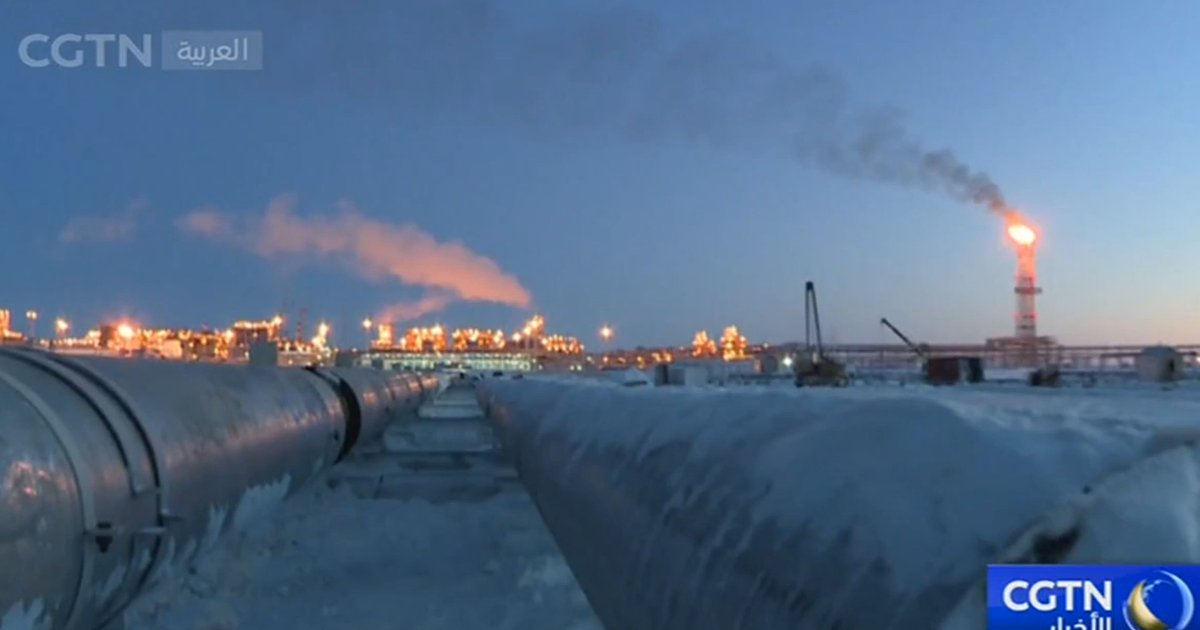
Asian economies are facing increasing pressure due to the global energy crisis, with countries like India, Japan, South Korea, and the Philippines being the most affected. This impact is largely dependent on oil and gas imports that pass through the Strait of Hormuz, which is experiencing rising geopolitical tensions.
The current energy crisis is among the most severe in modern history, leading to unprecedented increases in oil and gas prices, which have affected economic growth in many countries. These nations heavily rely on energy imports, making them vulnerable to fluctuations in the global market.
Event Details
India, one of the largest oil consumers in the world, is experiencing a significant rise in fuel prices, threatening its economic stability. Meanwhile, Japan and South Korea, both major importers of liquefied natural gas, face substantial challenges in securing energy supplies at reasonable prices. The Philippines, which heavily relies on energy imports, is also suffering from the effects of the crisis, putting additional pressure on the governments of these countries.
Concerns are growing that the continuation of this crisis could lead to an economic slowdown in the region, potentially impacting investments and growth. In this context, Asian countries are seeking to diversify their energy sources and reduce their reliance on imports, but these efforts require significant time and resources.
Background & Context
Historically, the Middle East, particularly the Gulf countries, has been considered the primary source of energy for the world, with most oil and gas shipments passing through the Strait of Hormuz. As geopolitical tensions escalate, especially amid the ongoing conflict with Iran, these maritime routes have become more sensitive, increasing the risks of supply disruptions.
Asian economies are particularly affected due to their heavy reliance on these supplies. For instance, oil and gas imports account for about 80% of India's energy needs, making it susceptible to any price fluctuations or supply interruptions. At the same time, Japan and South Korea are looking to boost their investments in renewable energy sources, but these transitions take time to yield tangible results.
Impact & Consequences
The repercussions of the current energy crisis extend beyond economic boundaries, affecting political and social stability in the impacted countries. Rising fuel prices could lead to public protests, as seen in several Asian countries in the past, placing governments in a difficult position.
Furthermore, this crisis may reshape trade relations between Asian countries and energy-producing nations. Amid increasing competition for resources, Asian countries might seek to strengthen their partnerships with other nations such as the United States and Russia, which could affect the geopolitical balance in the region.
Regional Significance
Arab oil-producing countries in the Gulf are among the beneficiaries of rising energy prices, but regional tensions could impact the stability of these markets. At the same time, Arab countries that import energy may face challenges similar to those encountered by Asian nations, necessitating new strategies to cope with these crises.
In conclusion, the global energy crisis remains a complex issue that requires international coordination and joint efforts to mitigate its effects. Asian and Arab countries must work together to ensure energy market stability and achieve sustainable development amid these changing circumstances.