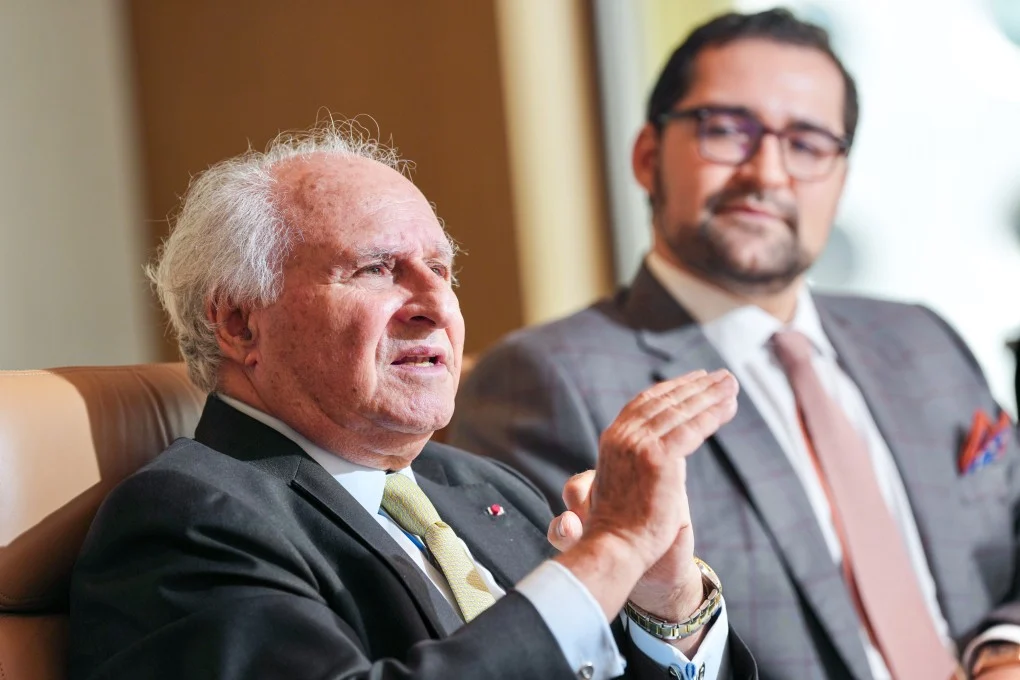
Businessman Michael Kadoorie has reported that the ongoing conflict in the Middle East has resulted in a global energy crisis, placing Hong Kong in a state of 'yellow warning'. While the city has not been significantly affected thus far, Kadoorie has warned that the situation could change in the near future.
In his remarks, Kadoorie, who serves as the chairman of the CLP Group, noted that Hong Kong has been fortunate so far, but it must be prepared for the potential impact of the energy crisis. He explained that the current situation sends warning signals, stating, "You have traffic lights in red, yellow, and green. We are now in yellow, not red, but we must think about the future."
Details of the Situation
Kadoorie's statements come at a time when the world is facing an unprecedented energy crisis due to armed conflicts in the Middle East, which are affecting oil and gas supplies. Many countries have experienced sharp increases in energy prices, exacerbating economic and social conditions in those nations.
In Hong Kong, energy is a fundamental element of daily life, as residents rely on electricity for heating, cooling, and lighting. With rising energy prices, citizens may face new challenges in managing their daily expenses.
Background & Context
Historically, the Middle East has always been a major center for oil and gas production, with producing countries such as Saudi Arabia, Iraq, and Iran playing significant roles in the global market. Ongoing conflicts in this region, whether political or military, directly impact the stability of energy prices worldwide.
In recent years, oil prices have experienced significant fluctuations, rising sharply during periods of conflict, which has affected global economies. With the outbreak of the COVID-19 pandemic, energy prices saw a sharp decline, but as economic activity resumed, prices began to rise again, increasing pressure on importing countries.
Impact & Consequences
The current energy crisis poses a real threat to global economies, potentially leading to increased inflation and reduced economic growth. In Hong Kong, rising energy prices may lead to a decrease in consumer spending, impacting local businesses and increasing unemployment rates.
Moreover, the government may need to take measures to mitigate the effects of rising energy prices, such as providing financial support to citizens or imposing restrictions on energy consumption. These measures could increase pressure on the public budget, negatively affecting public services.
Regional Significance
Arab countries that produce oil and gas are the most affected by crises in the Middle East, as conflicts can disrupt energy supplies and lead to price increases. Countries like Saudi Arabia and the UAE may benefit from rising prices, but importing nations like Egypt and Jordan could face significant challenges in meeting their energy needs.
Under these circumstances, Arab countries must consider new strategies to enhance energy security, such as diversifying energy sources and investing in renewable energy. These steps could help reduce reliance on oil and gas and provide sustainable solutions to face future crises.
In conclusion, the current global energy crisis represents a significant challenge for all countries, including Hong Kong and Arab nations. Governments, businesses, and citizens must be prepared to confront these challenges by taking proactive steps to ensure energy and economic sustainability.