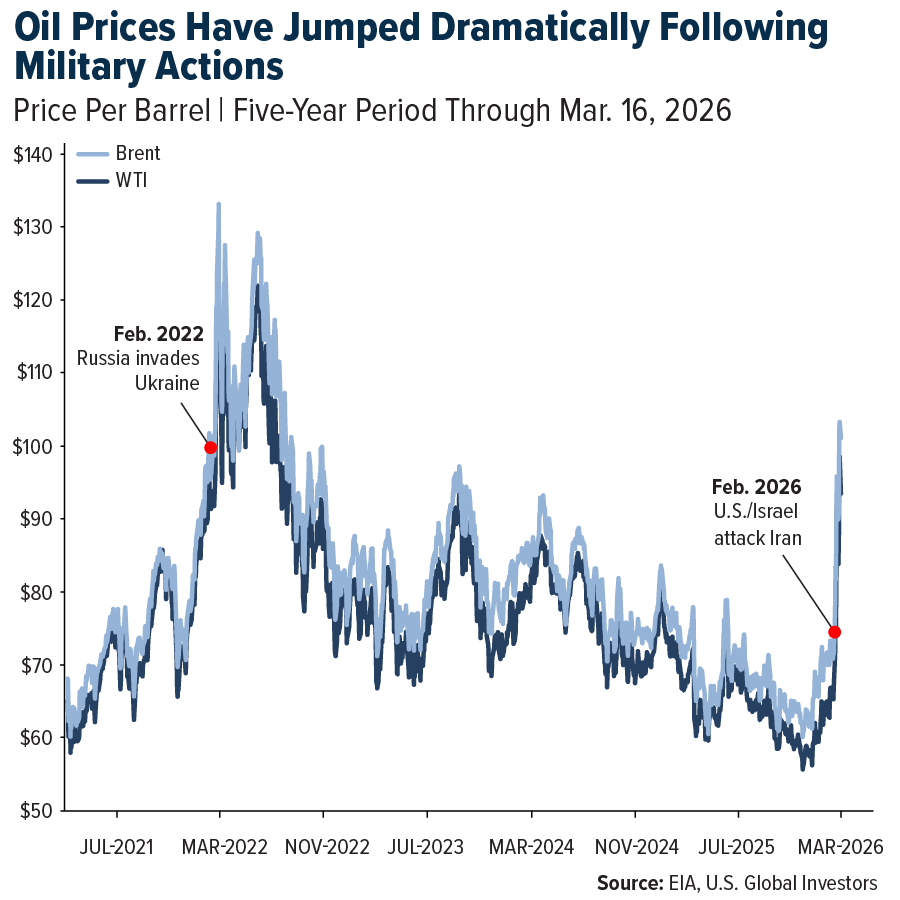
Recent reports indicate that the global energy market is experiencing a significant shortfall of between 10 and 12 million barrels per day. This shortfall comes at a critical time as pressures on global energy prices are increasing, negatively impacting the global economy.
These figures emerge amid rising demand for oil, particularly as the global economy recovers from the repercussions of the COVID-19 pandemic. Additionally, geopolitical disruptions in certain regions of the world, such as the Middle East and Eastern Europe, contribute to exacerbating this crisis.
Details of the Situation
Data shows that global oil demand has risen significantly, leading to a worsening supply shortfall. According to estimates from the Organization of the Petroleum Exporting Countries (OPEC), the shortfall could exceed 12 million barrels per day if demand continues to rise at the current pace.
This situation places additional pressure on oil-producing countries as they strive to increase production to meet rising demand. However, many of these countries face challenges in ramping up production due to restrictions on investments in the energy sector.
Background & Context
Historically, the energy market has experienced significant price fluctuations due to various political and economic events. For example, the oil crises of the 1970s and 1980s were a direct result of geopolitical conflicts, leading to unprecedented price hikes.
In recent years, with the emergence of renewable energy sources, some countries have begun to reduce their dependence on oil. Nevertheless, oil still constitutes a large part of the global energy mix, making any supply shortfall directly impact prices.
Impact & Consequences
The shortfall in the energy market leads to negative effects on the global economy, as rising prices can increase transportation and production costs, which in turn reflects on the prices of goods and services.
Moreover, oil-importing countries will face greater challenges in meeting their energy needs, potentially leading to increased trade deficits and local currency depreciation. Conversely, oil-producing countries may benefit from rising prices, boosting their revenues.
Regional Significance
Arab oil-producing countries are among the most affected by this shortfall, as their economies heavily rely on oil revenues. If the shortfall persists, these countries may face challenges in achieving their budgets and meeting the needs of their citizens.
Furthermore, rising prices may lead to increased social tensions in some countries, as citizens may feel the burden of rising living costs. Therefore, it is crucial for governments to adopt effective strategies to address these challenges.
In conclusion, the shortfall in the global energy market represents a significant challenge that requires international coordination and effective strategies to ensure price stability and meet market needs.