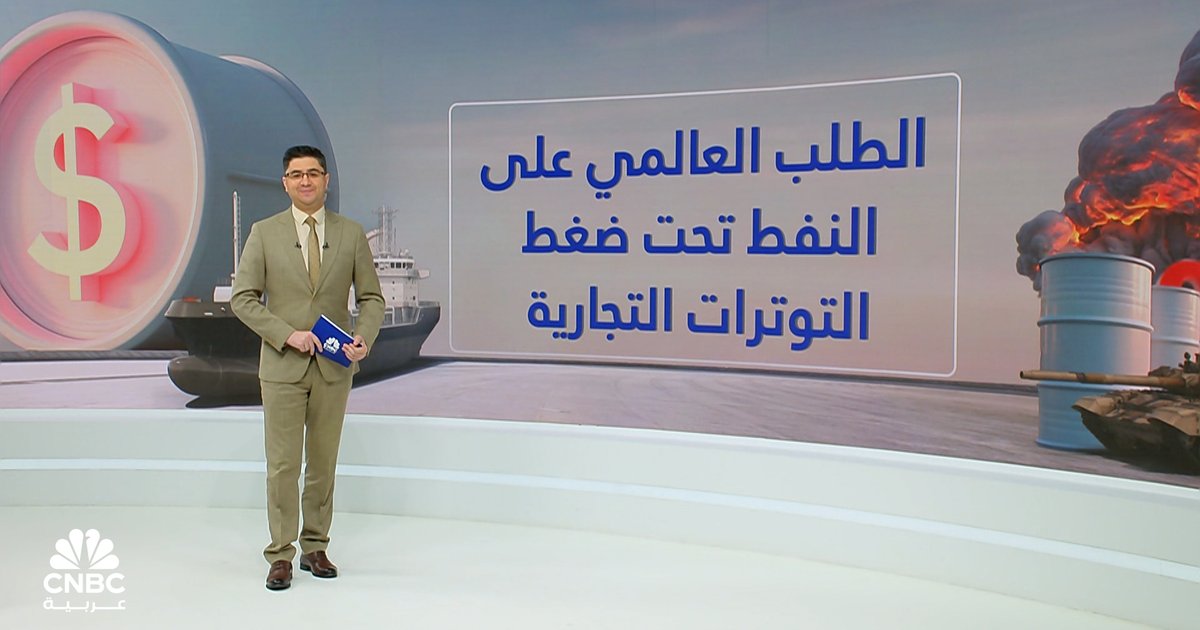
The economic situation is worsening as tensions escalate in the region, with the US-Israel-Iran conflict casting a shadow over global energy markets. As oil prices rise, major Asian countries, particularly Japan and China, are awaiting developments in the Strait of Hormuz, a vital artery for oil supplies. Both nations derive most of their energy needs from Gulf supplies, which exacerbates their concerns as threats of closing this strategic passage escalate.
Energy markets are facing unprecedented pressures, with the number of oil tankers heading to major Asian countries decreasing, while fuel prices are noticeably rising. Iraq, the UAE, and Saudi Arabia account for most of the oil exports, while Iran's exports stand at about two million barrels per day, highlighting the significance of the Strait of Hormuz, through which around 20% of global oil supplies pass.
Statistics indicate that approximately 20 Iranian oil tankers are present in the strait, increasing tensions among nations. In an interview with Al Jazeera, economist Amer Al-Shoubki stated that the strait represents a ticking time bomb that could explode at any moment, and its closure could push oil prices above $150 a barrel.
The economic ramifications are growing for countries such as China, South Korea, and India, with Japan expressing significant concern due to its heavy reliance on energy imports from the Gulf. Some nations, including Bangladesh and Sri Lanka, have taken steps to reduce energy consumption in an attempt to avoid expected negative impacts.
In the same context, Iran continues its strategic maneuvers, imposing restrictions on maritime navigation in the Strait of Hormuz and declaring its intention to target any tanker that does not cooperate with it. Since the beginning of the month, spikes in oil prices have raised concerns among economists about the potential effects of closing the Strait of Hormuz on global economies.
Iran has a contingency plan to face pressures, utilizing what is known as the "dark mode" to minimize tracking, loading approximately 12 million barrels of oil en route to the Chinese port of Tianjin. Through this move, Tehran aims to overcome challenges posed by military tensions.
As the Chinese public awaits new developments regarding fuel prices, the National Development and Reform Commission has recorded a potential increase in prices due to these tensions. Nevertheless, the situation in Indonesia appears more stable, with the government ensuring sufficient supplies; however, discussions about alternatives to secure oil supplies continue.
Attention is directed toward strategic oil reserves in various Asian countries and the implications of the escalating conflict in the region, which may reflect a severe crisis or fundamental changes in energy policy.
The Strait of Hormuz issue is considered one of the most complex matters in the geopolitical landscape, underscoring the importance of regional and global nations' involvement in finding consensual solutions that ensure the safety of oil supplies and the security of global energy markets.