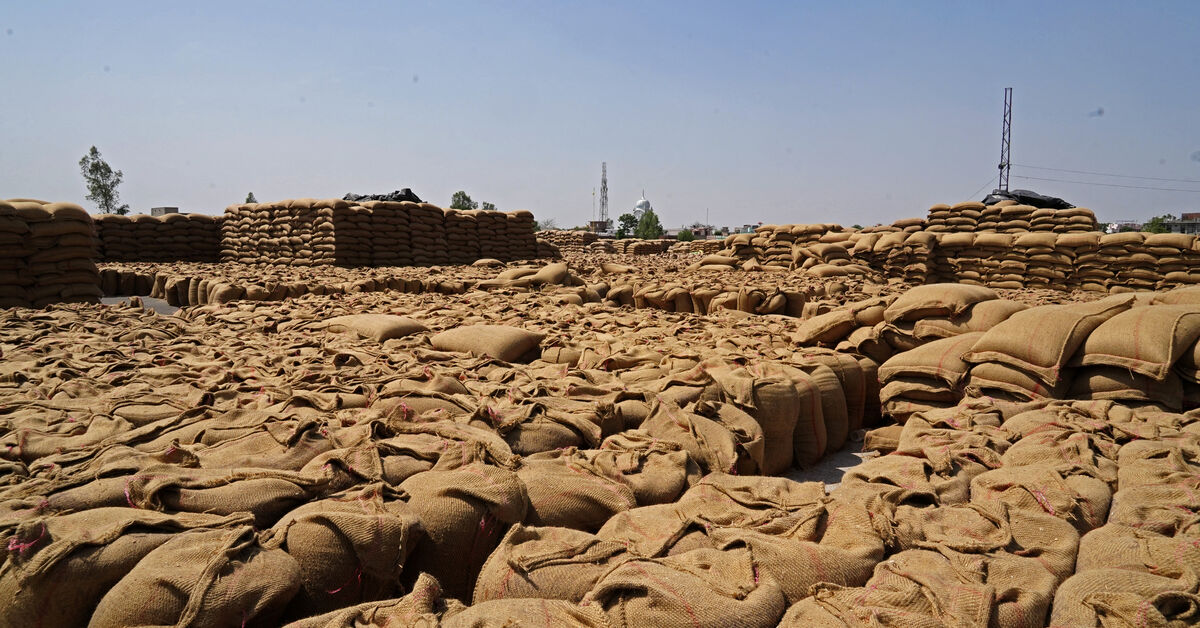
The United Nations Food and Agriculture Organization (FAO) reported that global food prices saw a notable increase in March 2023, reaching their highest levels since September of the previous year. This price surge comes at a time when the Middle East is experiencing escalating conflicts, leading to increased energy prices, which directly affect food costs.
In a statement, FAO's chief economist, Maximo Torero, confirmed that "the price increase since the beginning of the conflict has been moderate, as prices have mainly been affected by rising oil prices, while this impact has been mitigated by the availability of sufficient grain supplies globally."
Details of the Event
Reports indicate that global food prices increased by 2.5% in March, reflecting the impact of ongoing conflicts in the region on global markets. The rise in oil prices has contributed to higher transportation and production costs, leading to increased prices for essential food items such as grains and oils.
This price increase is a significant concern for many countries, especially those that heavily rely on food imports. Additionally, this increase may affect food security in various regions, necessitating urgent measures from governments and international organizations.
Background & Context
Since the onset of the conflict in the Middle East, energy prices have experienced significant fluctuations, impacting various economic sectors. Armed conflicts, such as those occurring in Iran and some neighboring countries, cast a shadow over economic stability in the region, making it difficult to predict future prices.
Historically, conflicts in the Middle East have led to rising food prices, as the region is one of the largest oil producers, and any disruption in this sector directly affects the prices of essential goods. In recent years, we have witnessed several food crises resulting from rising prices, placing additional pressure on governments to address these challenges.
Impact & Consequences
The FAO predicts that food prices will continue to rise if conflicts in the Middle East persist, potentially exacerbating humanitarian crises in many countries. Rising prices could lead to increased rates of poverty and hunger in developing nations, necessitating an urgent response from the international community.
Moreover, the continued rise in prices may impact political stability in some countries, as increasing economic pressures could lead to social protests and heightened internal tensions. Therefore, it is crucial for governments to take effective measures to mitigate the effects of this increase on their citizens.
Regional Significance
For Arab countries, the rise in food prices presents a significant challenge, especially amidst the difficult economic conditions many of these nations are facing. Countries that heavily rely on food imports will encounter greater difficulties in securing their basic needs, potentially worsening humanitarian situations.
Arab nations must work to enhance food security by investing in local agriculture and diversifying food supply sources. Additionally, regional and international cooperation will be essential to address these challenges, as food security can only be achieved through collective efforts.