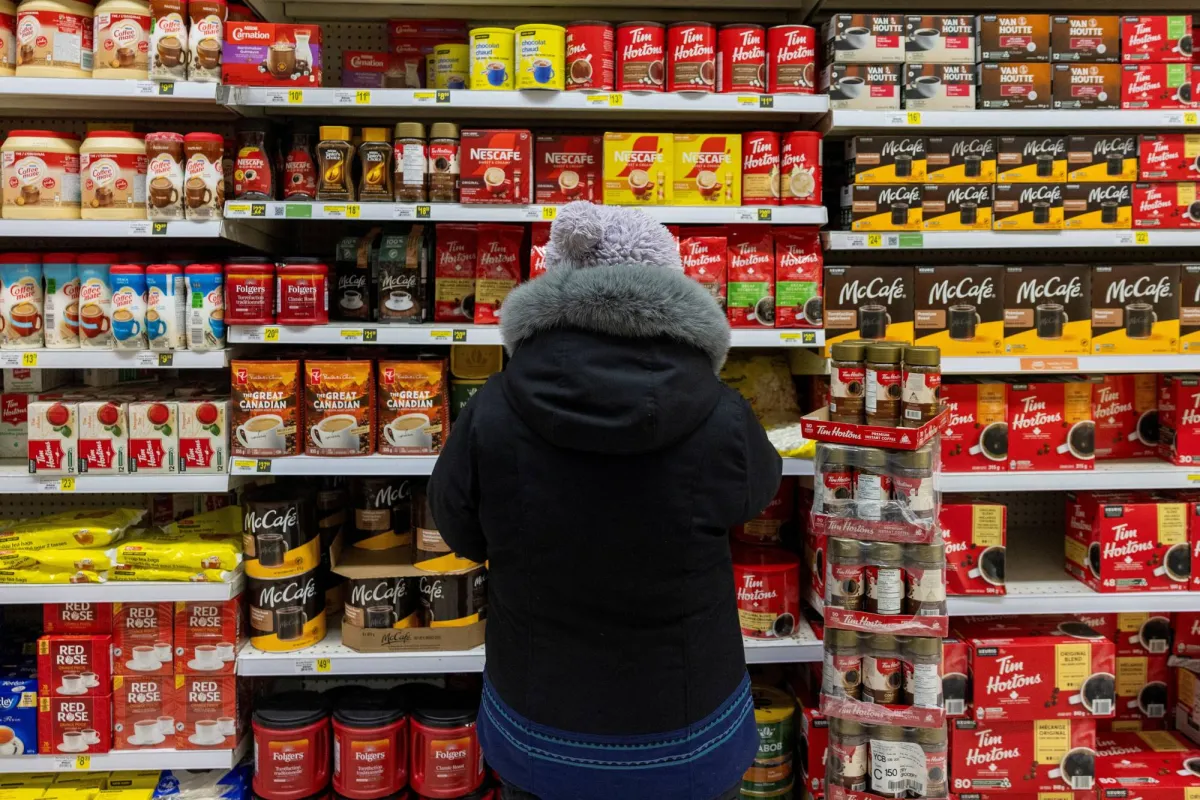
The Food and Agriculture Organization (FAO) of the United Nations has issued a warning regarding a notable increase in global food prices observed in March 2025, which have reached their highest point since September 2025. The organization emphasized that the ongoing conflict in the Middle East, particularly the Iranian dispute, could exacerbate this increase, thereby threatening global food security.
In a statement, Maximo Torero, the FAO's chief economist, explained that the price rise has been moderate since the onset of the conflict, primarily driven by increasing oil prices. He noted that the abundance of global grain supplies has helped mitigate the impact of this rise. However, he cautioned that if the conflict continues for more than 40 days, farmers may reduce agricultural inputs or decrease planted areas, negatively affecting future crop yields.
Details of the Event
The FAO Food Price Index, which tracks changes in a basket of globally traded food commodities, increased by 2.4 percent compared to February 2025. Although this figure is 1 percent higher than its value a year ago, it remains about 20 percent lower than the peak recorded in March 2022 following the outbreak of the Russia-Ukraine war.
The cereal price index also saw a rise of 1.5 percent from the previous month, driven by a 4.3 percent increase in global wheat prices due to deteriorating crop forecasts in the United States. Meanwhile, global corn prices increased slightly, as the abundance of global supply alleviated concerns regarding fertilizer costs.
Background & Context
Global food prices are a vital indicator of food security, directly impacting countries' ability to provide food for their citizens. Global markets have experienced significant price fluctuations due to geopolitical crises, such as the conflict in Ukraine and the ongoing Iranian conflict. These crises lead to increased production and transportation costs, which are reflected in food prices.
In recent years, commodity prices have surged sharply, adversely affecting low-income households in many countries. Reports indicate that rising food prices could lead to increased rates of poverty and hunger in certain regions, necessitating urgent action from governments and international organizations.
Impact & Consequences
If the conflict in the Middle East persists, its repercussions will extend beyond mere price increases, potentially leading to food supply shortages in some areas. Torero warned that farmers' options to cut inputs or change crops could impact agricultural production in the future, exacerbating the global food crisis.
Additionally, rising energy prices linked to the conflict may increase production costs, further pressuring food prices. This could negatively affect local economies, especially in countries that heavily rely on food imports.
Regional Significance
The Arab region is among the most affected by fluctuations in global food prices, as many countries depend on importing large quantities of food. Consequently, rising prices could worsen economic and social conditions in these countries, increasing rates of poverty and hunger.
In light of these challenges, Arab governments must take urgent measures to mitigate the effects of rising prices, such as enhancing local production and providing support to farmers. The international community should also intensify efforts to support food security in the region.
In conclusion, the global food situation remains uncertain, requiring immediate actions to ensure food availability for all amid the ongoing conflict in the Middle East.