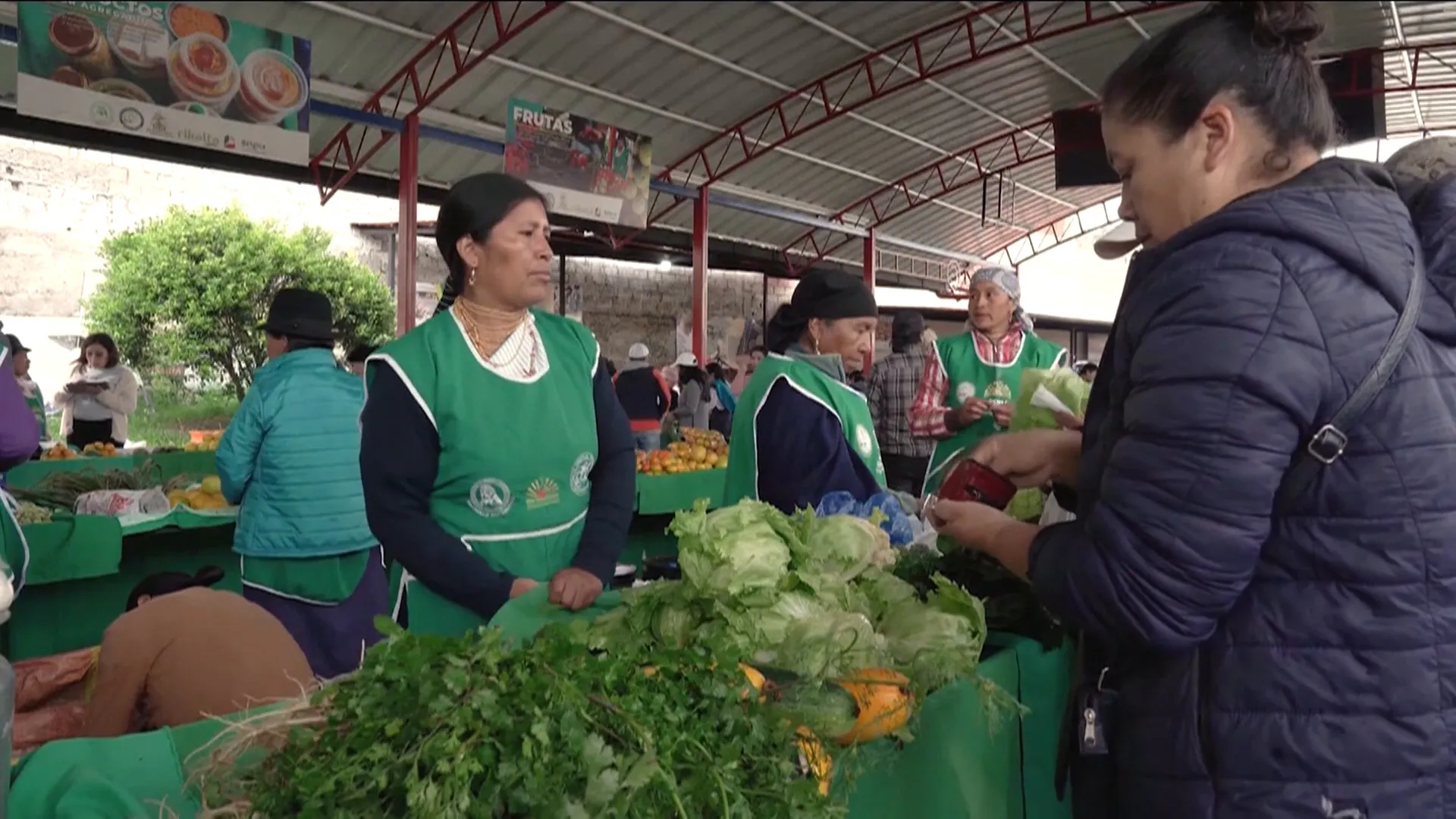
Global food prices are witnessing a significant rise, as a recent report from the United Nations Food and Agriculture Organization (FAO) revealed an increase in prices during March, following a seven-month period of stability. This rise is attributed to the repercussions of the ongoing war in Iran, along with rising energy costs due to supply disruptions through the Strait of Hormuz.
The FAO's food price index recorded an increase of 2.4%, driven by rising prices of several staple commodities, particularly grains, oils, and sugar. Data shows that wheat prices rose by 4.3% due to a reduction in planted areas, which is attributed to increased fertilizer costs. Additionally, vegetable oil prices surged by more than 5.1%, reaching their highest levels since 2022.
Details of the Event
In a related context, sugar prices saw an increase exceeding 7.2%, following Brazil's decision to divert part of its crops towards ethanol production. Dairy product prices recorded a rise of 1.2% due to a contraction in supply, particularly in New Zealand and Australia. Meanwhile, meat prices increased by 1% as a result of declining livestock numbers.
The report indicates that the common factor among these increases is the rising energy costs, as escalating tensions and supply disruptions through the Strait of Hormuz have pushed oil prices to their highest levels in four years, directly impacting food production and transportation costs.
Background & Context
The energy crisis is one of the main factors affecting global food prices. Approximately 30% of global fertilizer trade passes through the Strait of Hormuz, leading to increased prices and consequently higher agricultural production costs. Furthermore, the ongoing war in Iran complicates the situation, affecting market stability and causing price fluctuations.
These price increases coincide with growing fears of a worsening hunger crisis worldwide, as forecasts suggest that if the conflict continues for more than 40 days, it may exert additional pressure on food prices for the remainder of this year and into the next.
Impact & Consequences
The FAO warns that the continuation of these conditions could exacerbate global inflation rates, impacting economies and individuals. Under these circumstances, there are increasing concerns about the rising number of hungry people worldwide, as the wave of inflation pressures families and affects their purchasing power.
These conditions require a swift response from governments and international organizations to mitigate the effects of rising prices on the most vulnerable populations, especially in developing countries that suffer from resource shortages.
Regional Significance
The Arab region is among the most affected by rising food prices, as many countries rely on imports to meet their food needs. With prices escalating, these countries may face significant challenges in securing food for their citizens, potentially leading to social and economic unrest.
In light of these circumstances, Arab countries must enhance food security strategies and develop local agriculture to reduce reliance on imports, contributing to achieving food stability in the region.
In conclusion, the rise in food prices poses a significant challenge that requires concerted international and local efforts to address, as its repercussions may extend to various aspects of economic and social life.