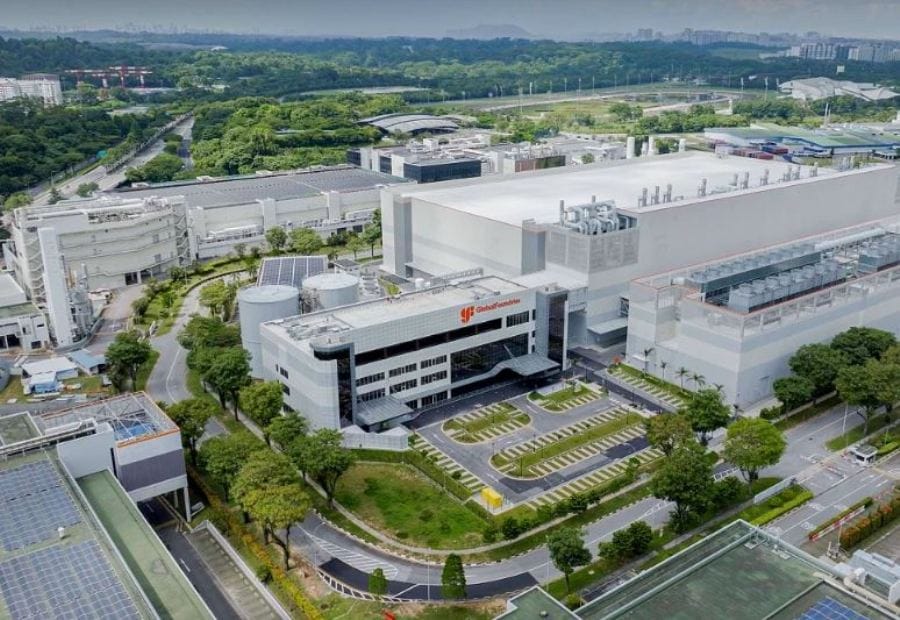
In light of the global helium shortage, the semiconductor and healthcare industries in Singapore have not yet been impacted; however, concerns are growing that the continuation of this shortage may result in increased prices. Helium is a vital element in the production of electronic chips, and it is also used in some MRI machines that are employed to detect tumors and injuries.
Helium is produced as a byproduct of natural gas processing, with Qatar being one of its main suppliers. The ongoing conflict in the Middle East has tightened supplies, raising concerns about the sustainability of this critical resource.
Details on Helium Usage in Singapore
The Ministry of Health in Singapore has reported that it uses small amounts of helium for certain MRI machines and laboratory tests. The ministry confirmed that its supplies remain secure, as it sources gas from multiple countries. It also stated that it is adopting measures to enhance supply chain resilience, including diversification strategies to ensure the stability of medical supplies.
In this context, a spokesperson for the ministry indicated that the situation in the Middle East is volatile, and the ministry is closely monitoring developments. Helium plays a crucial role in the semiconductor industry, where it is used for cooling electronic chips and maintaining a clean, inert environment.
Background & Context
Historically, helium has been a fundamental element in many technological and medical applications. With the increasing reliance on advanced technology, the demand for helium has been on a continuous rise. Helium is utilized across a wide range of industries, including electronics, where it is essential for achieving the precision required in chip production.
Qatar is one of the largest helium producers globally, and its exports constitute a significant portion of the global supply. However, regional conflicts could negatively impact these supplies, raising concerns about market stability.
Impact & Consequences
While the current impact of the helium shortage in Singapore remains limited, there are fears that the ongoing crisis could lead to increased production costs. Some experts have stated that companies may need to reassess their helium usage strategies, especially if supplies continue to dwindle.
Estimates suggest that the helium shortage could result in higher costs for electronic products, vehicles, and AI-related products. Additionally, shipping and production costs are expected to be affected due to rising energy prices.
Regional Significance
The helium shortage is a critical issue affecting many essential industries, necessitating urgent action to ensure supply stability. As the situation evolves, stakeholders in Singapore must remain vigilant and proactive in addressing potential challenges.
In conclusion, the ongoing helium shortage poses significant risks to various sectors, and its implications could extend beyond immediate price increases, affecting technological advancements and healthcare services.