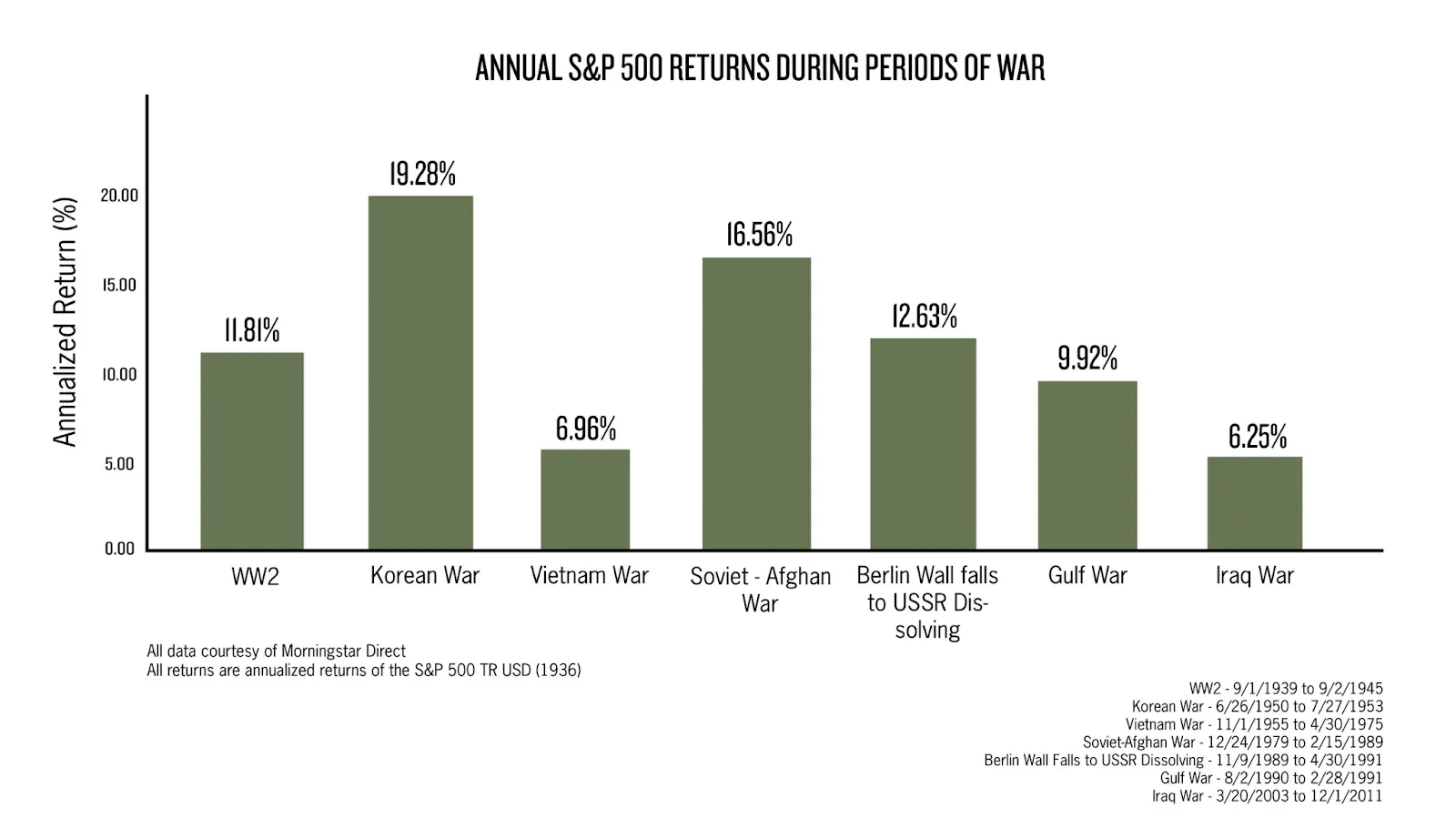
Global financial markets are experiencing significant volatility since the onset of the war between the United States and Iran, with major losses in stocks, bonds, and commodities. Over the past five weeks, prevailing concerns have led to a sharp decline in most assets, affecting market performance worldwide.
Despite some exceptions, the overall trend has been downward, with all major stock indices on Wall Street showing significant declines, indicating a substantial drop in investor sentiment. This decline is not limited to American markets; it has also impacted European and Asian markets, which are more reliant on oil and gas imports.
Event Details
In the context of the war, financial markets have experienced unprecedented fluctuations, with the KOSPI index in South Korea, once considered one of the best-performing markets in 2025, dropping by nearly 20% in March. This decline reflects the country's sensitivity to energy shocks, increasing concerns about the war's impact on the global economy.
A report from Goldman Sachs confirmed that "the risk balance has deteriorated" for financial markets, raising the likelihood of stagflation. Experts noted that such conditions typically create an unfavorable environment for stocks, characterized by lower real performance and increased volatility.
Background & Context
Historically, relations between the United States and Iran have been tense, with numerous crises over the past decades. The current war comes at a sensitive time, as fears grow regarding its impact on energy prices and global inflation. In March, data from the Eurozone showed that inflation had risen to 2.5%, adding pressure on central banks.
Challenges for financial markets are increasing with rising government borrowing costs, as bond yields have been on a continuous rise. This increase reflects a repricing of investor expectations regarding interest rate hikes by central banks, further intensifying pressures on the markets.
Impact & Consequences
Financial markets are significantly affected by the war, as disruptions in energy markets have led to rising oil and gas prices. This situation raises concerns about increased living costs, which could lead to a decline in consumption. Additionally, the ongoing rise in energy prices may have negative effects on economic growth.
At the same time, cash markets have experienced volatility, with the US dollar regaining some strength after a previous decline. These fluctuations are expected to continue amid fears of stagflation, complicating the global economic landscape.
Regional Significance
For the Arab region, the Iranian war directly impacts energy prices, reflecting on the economies of oil-dependent countries. Rising oil prices may have a positive effect on some producing nations, but at the same time, it increases pressure on importing countries.
These conditions require Arab nations to take proactive measures to adapt to global economic changes, including enhancing economic diversification and reducing reliance on oil as a primary source of revenue.
In conclusion, financial markets remain under significant pressure due to the Iranian war, necessitating close monitoring of future developments and their impact on the global and regional economy.