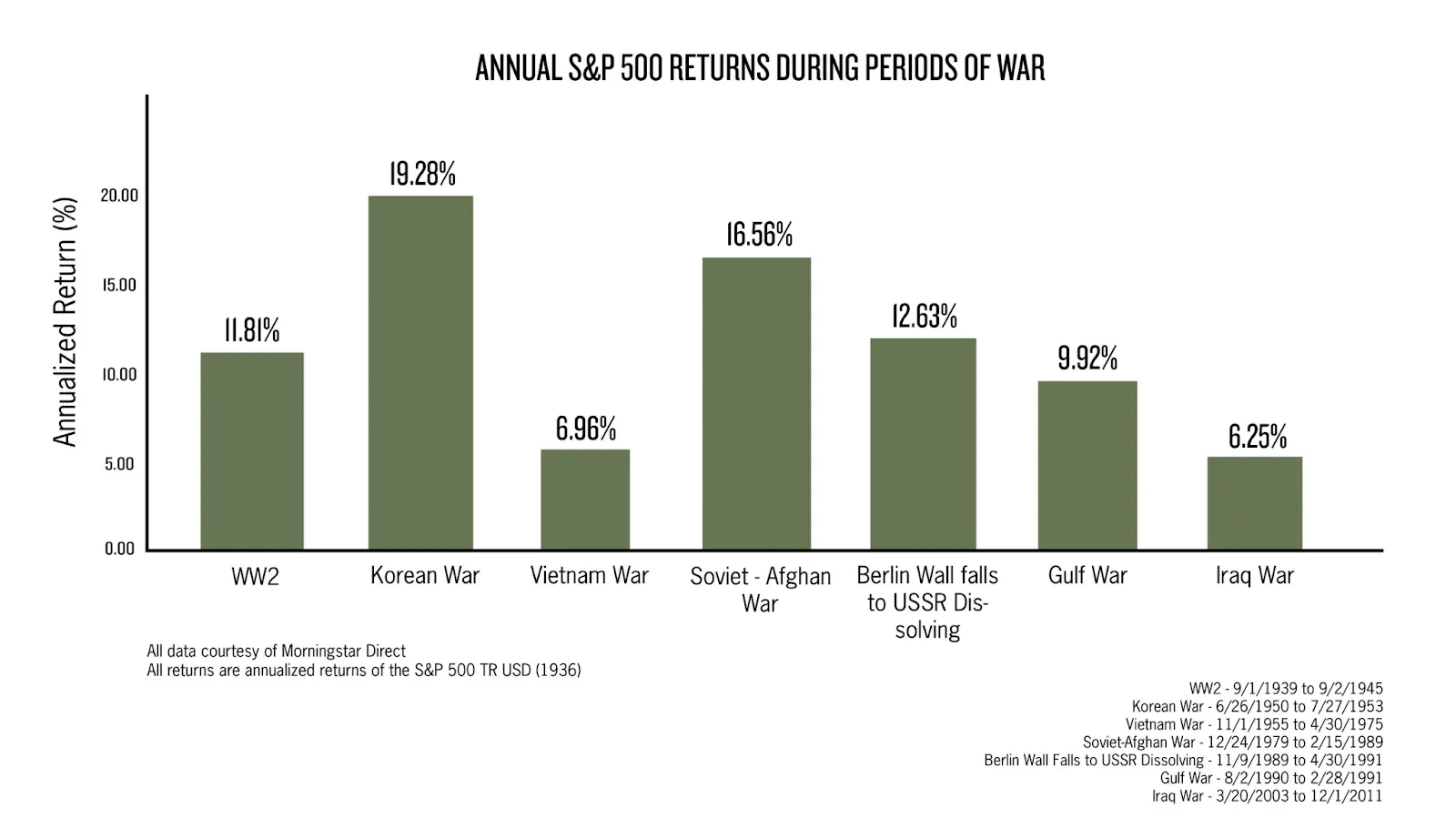
Global markets faced significant fluctuations in March, driven by tense economic and geopolitical conditions amid the escalating Iranian war, which heightened uncertainty in the global economy.
These developments come at a time when the global economy is grappling with multiple challenges, including rising inflation rates and increasing energy prices, negatively impacting financial market performance. Recent events have led to declines in stock indices across many countries, raising concerns among investors and analysts alike.
Details of the Event
At the beginning of March, global financial markets experienced notable declines, with the Dow Jones Industrial Average dropping by as much as 3%, while the Nasdaq Composite fell by 4%. This downturn followed an escalation in military tensions in the region, as the Iranian war intensified fears of worsening security and economic conditions.
European markets recorded similar declines, with the FTSE 100 in the UK and the CAC 40 in France both reflecting the prevailing state of anxiety in the markets. Many analysts have pointed out that these fluctuations indicate the uncertainty dominating investors under the current circumstances.
Background & Context
Historically, financial markets have experienced sharp fluctuations due to geopolitical crises, as military conflicts directly impact market stability. The Iranian war is not new, but its current escalation occurs amidst complex global economic conditions, intensifying tensions.
Moreover, tensions in the Middle East often affect oil prices, which in turn impacts the global economy. Rising oil prices due to military conflicts can lead to increased inflation, putting additional pressure on major economies.
Impact & Consequences
The repercussions of the Iranian war extend beyond its direct impact on financial markets, potentially leading to changes in the economic policies of major countries. As economic pressures increase, governments may be compelled to implement austerity measures, affecting economic growth.
The prevailing uncertainty may also prompt investors to adopt more cautious decision-making, resulting in a decline in investments in emerging markets. This, in turn, could heighten pressure on local currencies and affect economic growth in those countries.
Regional Significance
For the Arab region, the escalation of tensions in Iran could impact the political and economic stability of neighboring countries. Many Arab nations rely on stable oil prices, and any increase in prices due to conflicts may have negative effects on their economies.
Furthermore, the prevailing uncertainty could lead to a decline in foreign investments in the region, affecting economic growth and increasing unemployment rates. Therefore, Arab countries need to take proactive steps to address these challenges.
In conclusion, global markets remain under significant pressure due to tense geopolitical conditions, necessitating close monitoring of developments by investors and analysts. Understanding the historical and economic context of these events can aid in making wiser investment decisions in the future.