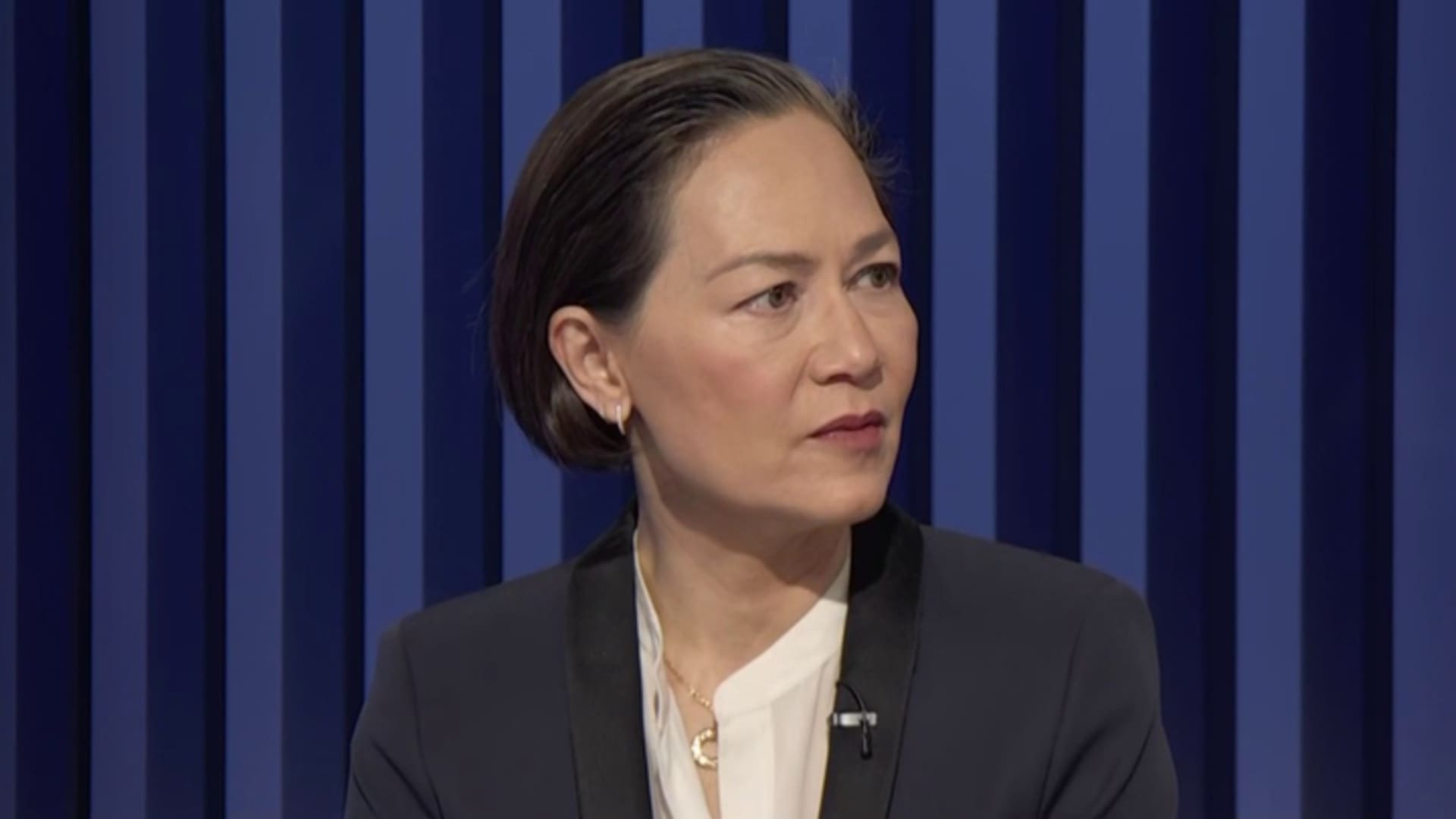
Tina Lee, the CEO of Citi in the UK, stated that global markets continue to exhibit strength and resilience, despite the economic and geopolitical challenges posed by the ongoing conflict in the Middle East. In an interview with CNBC, Lee emphasized that a recession is "not the base case scenario" the company expects.
The markets are performing steadily, even amidst the economic disruptions caused by the Iranian conflict, which has now entered its sixtieth day. Lee pointed out the increasing opportunities in areas such as artificial intelligence, data infrastructure, and energy, alongside record levels of mergers and acquisitions in the first quarter of the year.
Event Details
During her discussion on the "Squawk Box Europe" program, Lee acknowledged that the conflict may persist longer, posing a real threat to markets and economies. The conflict has led to a rise in Brent crude oil prices to over $100 per barrel, compared to around $70 in February. If hostilities continue until the end of this year and into 2027, there is a risk of oil prices rising to $120 or $150 per barrel.
Lee remarked, "This is a completely different scenario," as oil prices reached $111 in early trading on Tuesday. However, she reaffirmed the resilience of the global economy, particularly in the United States, predicting that growth will continue at a "somewhat resilient" rate until the end of 2026, at around 2.7%.
Context and Background
Historically, global markets have experienced significant volatility due to geopolitical conflicts, but the U.S. economy's ability to withstand challenges has been "exceptional" since the beginning of the year. Lee noted that artificial intelligence has contributed to "substantial growth," with opportunities in data infrastructure and energy sectors.
North America is considered the primary export market for multinational companies, as "the size of this market makes it something that cannot be ignored." Lee confirmed that Chinese companies have made "huge strides" in areas such as advanced robotics and manufacturing, enhancing collaboration opportunities between markets.
Implications and Effects
It is clear that the continuation of the conflict in the Middle East could impact the stability of global markets, but analyses indicate that companies remain optimistic about available opportunities. When Lee speaks with CEOs, they express the same optimism regarding their companies' prospects, reflecting strong confidence in the market.
She also pointed out that the increase in mergers and acquisitions in the last quarter reflects companies' ability to adapt to current conditions and seize strategic opportunities. Collaborating with major markets like China represents a real opportunity for the UK, especially in clean energy, battery production, and financial services.
Impact on the Arab Region
The economic conditions in the Arab region are closely linked to global developments, particularly in the energy sector. Rising oil prices may affect the economies of oil-producing Arab countries, necessitating measures to adapt to these changes.
Furthermore, collaboration with major markets like China could open new horizons for Arab countries, enhancing their competitiveness in global markets. Ultimately, the current situation requires Arab nations to adopt flexible strategies to address the challenges and opportunities available.