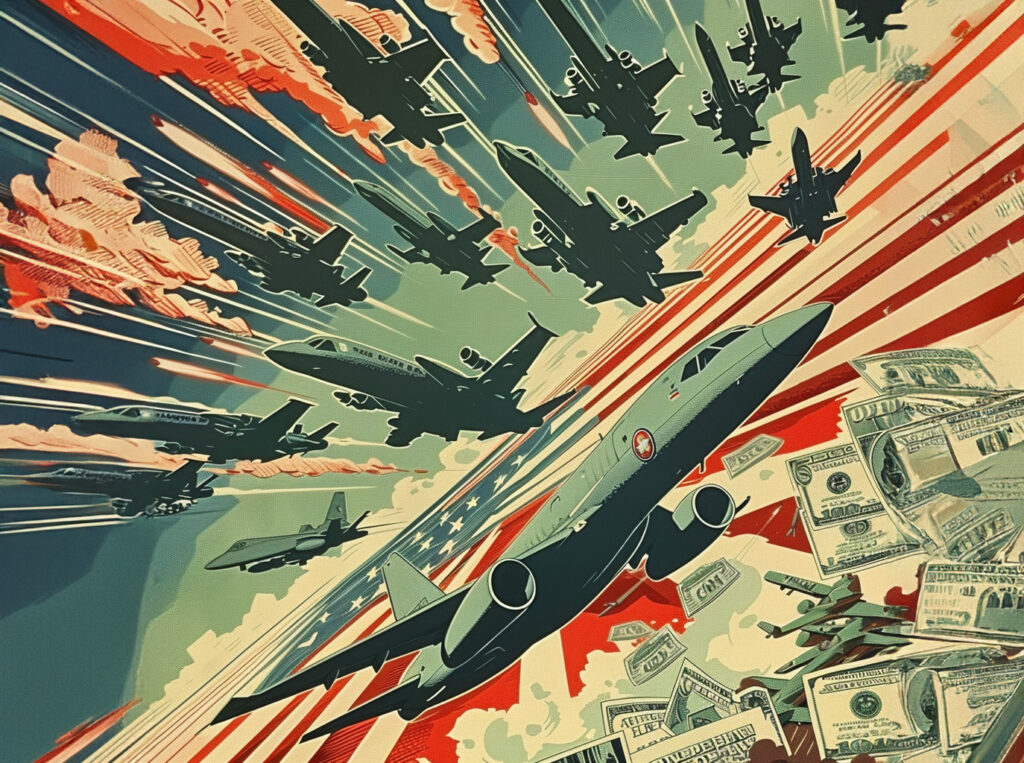
The Stockholm International Peace Research Institute has revealed that global military spending is projected to reach record levels by 2025, reflecting the rise of armed conflicts across the globe. This trend raises concerns about the social and economic impacts that may ensue for communities.
Forecasts indicate that military spending will continue to rise due to new conflicts igniting in multiple regions, alongside ongoing disputes. This increase in expenditure also reflects the strategic orientations of countries to bolster their military capabilities amid growing geopolitical tensions.
Details of the Event
According to reports, global military spending is expected to surpass the threshold of $2 trillion by 2025. This figure represents a significant increase compared to previous years, where recent years have witnessed a surge in armed conflicts, prompting nations to augment their defense budgets.
Data indicates that major powers such as the United States, China, and Russia are among the highest spenders on military capabilities, each seeking to enhance their military strength in the face of regional and international challenges. Additionally, developing nations have also begun to increase their military budgets, reflecting a shift in their security priorities.
Background & Context
Historically, the world has experienced periods of intense militarization due to wars and conflicts. However, the current increase in military spending occurs at a time when the world is witnessing radical shifts in the international system. Conflicts in the Middle East, Africa, and Asia contribute to exacerbating this phenomenon, as nations strive to enhance their military capacities amid instability.
Technological advancements in defense, such as smart weapons and drones, play a significant role in increasing military expenditure. Countries investing in these technologies hope to gain strategic advantages in any potential conflict.
Impact & Consequences
The repercussions of increased military spending extend beyond military aspects, as they can significantly impact economic and social development. Countries focusing on militarization may find themselves suffering from a lack of resources allocated for education, health, and infrastructure.
Moreover, this trend could exacerbate tensions between nations, increasing the likelihood of conflicts. Local communities may also suffer negative effects as a result of heightened security tensions, impacting social and economic stability.
Regional Significance
The Arab region is witnessing a rise in armed conflicts, contributing to increased military spending. Arab nations, grappling with internal and external conflicts, find themselves compelled to bolster their military capabilities to address security challenges.
This trend may lead to worsening humanitarian crises in the region, as resources are diverted from development to militarization. Additionally, increased military tensions could affect regional stability, complicating the situations in affected countries.
In conclusion, the anticipated increase in military spending by 2025 raises concerns about the future of communities amid escalating conflicts. It is essential for nations to adopt strategies that balance security and development to achieve lasting stability.