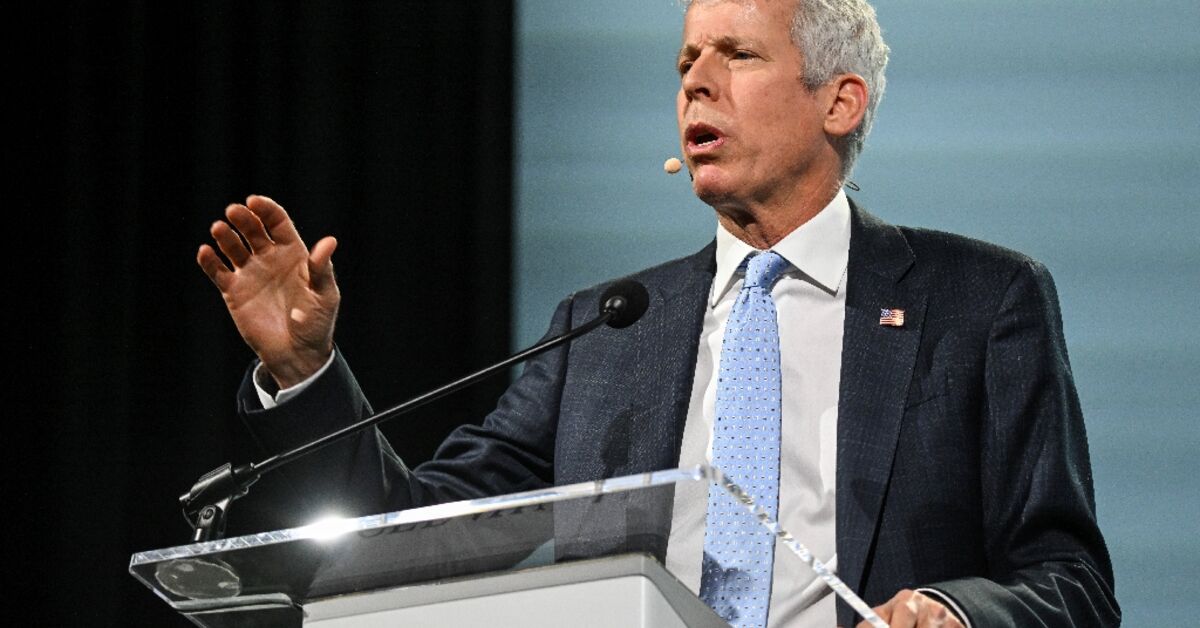
The global energy summit in Houston, known as the "Davos of Energy," wrapped up last Friday, with the oil crisis caused by the US-Israeli war on Iran dominating all discussions. Approximately 10,000 executives and experts attended the event, yet the outcomes were limited, leaving a general feeling of uncertainty about the market's future.
In this context, Mark Brownstein, Vice President of the Environmental Defense Fund, stated that "the industry is downplaying the geopolitical disruptions and the geopolitical risks that lie ahead." These remarks reflect the growing concern among experts regarding the impact of ongoing conflicts on the stability of global energy markets.
Event Details
The CERAWeek summit, considered one of the largest events in the energy sector, featured extensive discussions on the challenges facing the industry amid tense geopolitical conditions. With rising tensions between the United States and Iran, it became clear that these crises are directly affecting oil prices and investment decisions in the sector.
The summit also included workshops and discussion sessions on technological innovations in energy, but most discussions revolved around how to cope with current crises. Many participants pointed out that environmental and economic challenges require a swift and effective response from governments and companies.
Background & Context
Historically, energy markets have experienced significant fluctuations due to geopolitical conflicts, where wars and political crises have led to substantial increases in oil prices. In recent years, several notable events, such as the war in Syria and crises in Libya and Venezuela, have impacted market stability.
As tensions escalate between the United States and Iran, it is evident that these crises could lead to a significant rise in oil prices, negatively affecting the global economy. These conditions have prompted increasing calls from experts for new strategies to address these challenges.
Impact & Consequences
The repercussions of the US-Israeli war on Iran are likely to significantly affect global oil markets. Any escalation in the conflict could reduce oil supplies from the Middle East, leading to a sharp increase in prices and impacting oil-dependent economies.
Moreover, uncertainty in energy markets may drive companies to cut back on investments in new projects, potentially affecting long-term economic growth. Consequently, these crises could increase pressure on governments to adopt new policies aimed at enhancing market stability.
Regional Significance
For the Arab region, escalating tensions in the Middle East could have direct effects on the economies of oil-producing countries. Many of these nations heavily rely on oil revenues, and any increase in prices could improve revenues, but it may also come with significant risks related to political and security stability.
Furthermore, geopolitical crises could lead to heightened tensions among Arab countries themselves, potentially affecting regional cooperation and increasing instability. Therefore, it is crucial for Arab nations to adopt effective strategies to address these challenges.
In conclusion, the global oil crisis remains a complex issue that requires international and regional cooperation to address effectively. As geopolitical tensions continue, the future appears uncertain, necessitating all parties to work together to ensure market stability and protect economic interests.