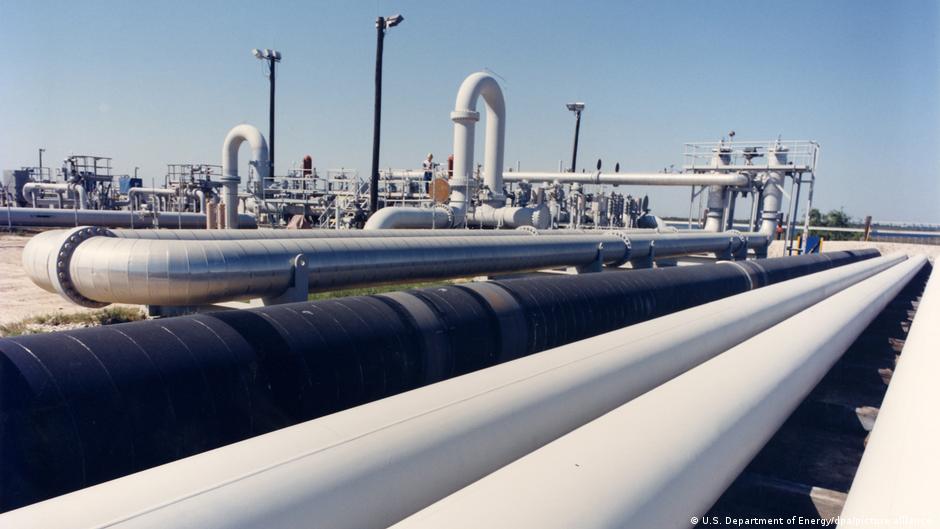
The ongoing war in Iran has led to the closure of the Strait of Hormuz, a vital passage through which approximately 20% of global oil trade flows, resulting in an unprecedented oil supply crisis. This situation has driven many countries, particularly in Asia, to seek alternatives to compensate for the severe supply shortages.
In light of these circumstances, governments have implemented measures to curb fuel demand, with the International Energy Agency (IEA) launching a massive initiative in March to release around 400 million barrels from the oil reserves of industrialized nations. The aim of this step was to ensure supply availability and stabilize oil prices.
Details of the Event
Before the outbreak of war, global oil markets were experiencing a surplus in supplies, as major countries had stockpiled vast amounts of oil. According to data from the U.S. Energy Information Administration, China held approximately 1.4 billion barrels in reserves, while the United States maintained about 413 million barrels in its strategic reserve.
At the same time, European countries were legally obligated to maintain emergency stocks equivalent to at least 90 days of net imports. EU nations contributed about 20% of the amount released under the coordination led by the IEA.
Background & Context
Historically, the Strait of Hormuz is a critical point in global oil trade, through which a significant portion of oil supplies pass. The region has witnessed increasing tensions in recent years, heightening geopolitical risks. The current war in Iran represents a new escalation in these tensions, threatening the stability of global energy markets.
Concerns are growing that the continued closure of the strait could lead to severe supply shortages, especially with summer approaching, a season that typically sees increased energy demand. Experts have warned that global oil reserves are depleting rapidly, having decreased at a record rate of 246 million barrels in March and April.
Impact & Consequences
Forecasts indicate that the continuation of the current situation could lead to a significant rise in oil prices, with experts warning that commercial inventories could reach critical levels by the end of June. If supply conditions do not improve, we may witness a sharp increase in prices, affecting all countries, including those with abundant domestic supplies like the United States.
The impacts will be particularly pronounced in Asian countries that heavily rely on energy from the Middle East, with sectors such as air travel expected to be especially affected. Some countries have already begun taking measures to reduce demand, such as cutting working hours in the Philippines and reducing transportation usage in Pakistan.
Regional Significance
For Arab countries, this crisis poses a significant challenge, as many of these nations depend on oil revenues. Rising prices could increase economic pressures, particularly in countries already facing economic crises. Additionally, the ongoing tensions in the region may impact investments and heighten uncertainty in the markets.
In conclusion, the current oil crisis represents a major challenge to global energy security and may require a coordinated response from nations to ensure market stability. As the conflict in Iran continues, there remains hope for a swift resolution that guarantees the reopening of the Strait of Hormuz and the restoration of oil supplies.