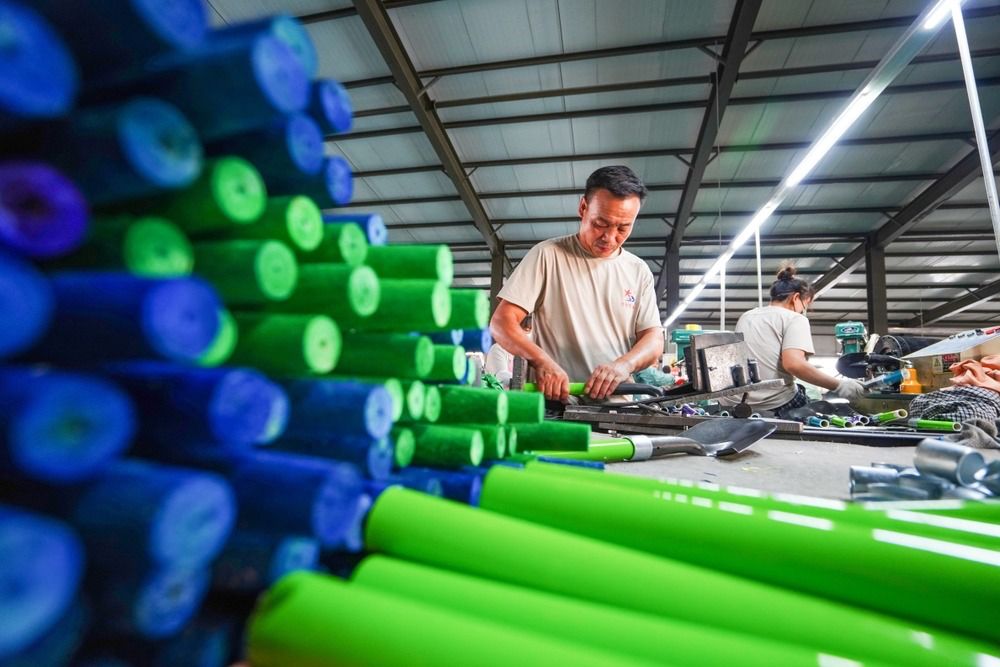
The global plastic industry faces unprecedented challenges due to shocks in the petrochemical market. These changes are affecting prices and production, raising concerns among both investors and consumers. Under these circumstances, it has become essential to understand how these shocks impact various markets and how they can respond.
Reports indicate that petrochemical prices have experienced sharp fluctuations, leading to increased production costs for plastics. This rise in costs may directly affect the prices of plastic products, negatively impacting consumers. Furthermore, these changes could lead to a reassessment of company strategies within this sector.
Details of the Event
Recently, petrochemical markets have witnessed significant changes due to several factors, including disruptions in supply chains, increased demand for raw materials, and changes in environmental policies. These combined factors have led to a sharp rise in petrochemical prices, which in turn has affected the plastic industry.
Petrochemicals are essential components in plastic production, used in manufacturing a wide range of products, from plastic containers to parts used in automobiles. With rising prices, companies may be forced to reduce production or seek cheaper alternatives, which could affect product quality.
Background & Context
Historically, the petrochemical industry has experienced similar fluctuations, but none have had as widespread an impact as today. In recent years, environmental pressures on this industry have increased, leading to shifts in how plastics are produced and used. As environmental awareness grows, many companies have begun to seek sustainable alternatives, adding complexity to the current situation.
The Middle East is considered one of the largest producers of petrochemicals globally, with many of its economies relying on this industry. Therefore, any changes in the petrochemical market directly affect the economies of these countries, placing them in a sensitive position.
Impact & Consequences
Changes in the petrochemical market may lead to far-reaching effects on the global economy. Rising raw material prices could lead to increased inflation, affecting consumers' purchasing power. Additionally, companies relying on plastic materials may face challenges in maintaining profit margins, potentially leading to layoffs or reduced investments.
Moreover, these shocks may prompt companies to reevaluate their research and development strategies, as they may need to focus on developing alternative materials or improving production efficiency. These transformations could open new avenues for innovation but require significant investments in technology and research.
Regional Significance
In the Arab region, where the petrochemical industry is a cornerstone of the economy, any fluctuations in the global market could significantly impact economic stability. Petrochemical-producing countries, such as Saudi Arabia and the UAE, may face challenges in maintaining their competitiveness amid rising costs.
Furthermore, the shift towards sustainability may open new opportunities for Arab countries to develop new industries based on alternative materials. This transition could help reduce reliance on traditional petrochemicals and enhance the region's ability to address environmental challenges.
In conclusion, the petrochemical shocks shaking the global plastic market represent a significant challenge, but they also present an opportunity to rethink how materials are produced and used. It is crucial for companies to adopt flexible strategies to adapt to these changes and invest in innovation to ensure a sustainable future.