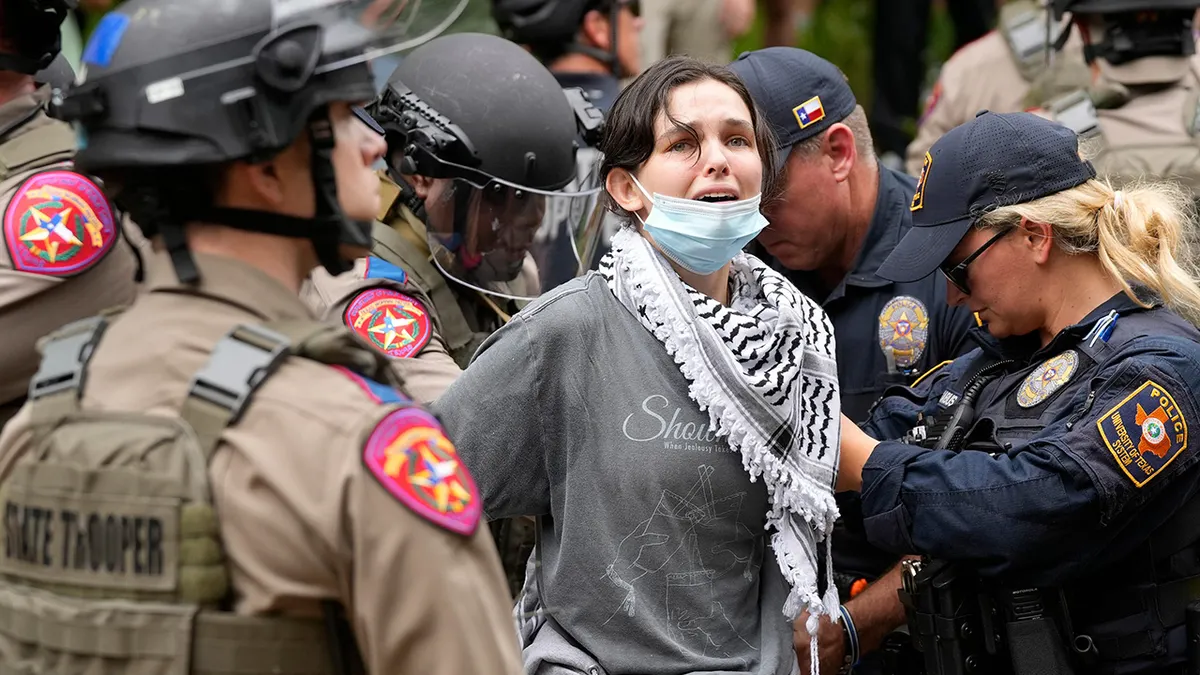
Protests are ongoing throughout Palestine and in major cities around the world, condemning the escalating Israeli assault on Palestinian prisoners, particularly following the Israeli Knesset's approval of a law permitting their execution. This law, voted on March 30, has sparked widespread outrage and anger globally.
In the Gaza Strip, dozens of citizens organized a public demonstration in Jabalia camp, where participants raised images of prisoners and banners demanding an end to violations against them. Chants echoed affirming that the Palestinian people will not allow their prisoners to face their fate alone, emphasizing that the issue of prisoners is a red line that cannot be compromised.
Details of the Event
Prior to this demonstration, a women’s protest was held in front of the International Committee of the Red Cross headquarters in Gaza, where dozens of Palestinian women expressed their rejection of the ongoing violations against prisoners. Similar protests were witnessed in various areas of the West Bank, where participants held images of Palestinian prisoners and banners denouncing the law, asserting that resistance activities will continue across all provinces of the homeland.
In Tunisia, dozens of students demonstrated in front of the municipal theater in the capital, rejecting the Israeli law and calling for the rejection of any peace with the occupation. Additionally, several Moroccan cities witnessed protests, with hundreds of Moroccans participating in denouncing the law's approval and the closure of Al-Aqsa Mosque.
Background & Context
Since February 28, Israel has completely closed Al-Aqsa Mosque, claiming it is to prevent gatherings as a precautionary measure amid regional tensions. In this context, the Israeli Knesset approved a law allowing the death penalty for Palestinian prisoners, further escalating tensions in the region.
The new law permits the issuance of death sentences without the need for a request from the public prosecution and applies to military courts, raising significant concerns among human rights organizations. The law specifically targets those accused of killing Israelis and currently affects approximately 117 prisoners.
Impact & Consequences
The approval of this law has provoked angry reactions both locally and internationally, with human rights organizations calling for urgent action against this decision. 31 civil organizations expressed their shock at the Knesset's approval of the law, considering it aimed specifically at targeting Palestinians.
The protests witnessed in numerous countries indicate global solidarity with the Palestinian cause and reflect increasing concern over Israeli policies toward prisoners. These demonstrations may also increase pressure on Western governments to intervene and urge Israel to halt its violations.
Regional Significance
These events serve as a reminder of the importance of the Palestinian issue in Arab and global consciousness. The rising protests reflect the unity of Arab peoples in supporting Palestinian rights and affirm that the issue of prisoners remains at the heart of the Palestinian-Israeli conflict.
In conclusion, hope remains pinned on the international community to act urgently to protect the rights of Palestinian prisoners and ensure that this law threatening their lives is not implemented. The continuation of these protests could contribute to raising global awareness of the Palestinian issue and increase pressure on Israel to cease its violations.