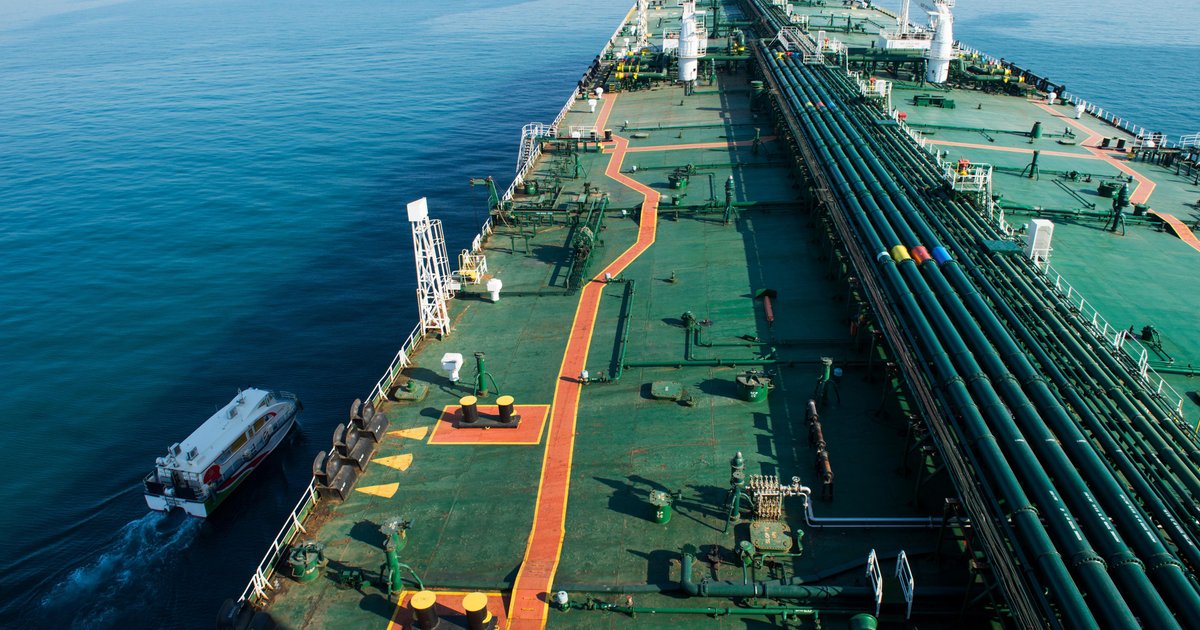
The President of the International Maritime Organization, Arsenio Dominguez, has raised serious concerns regarding a potential global shipping crisis, highlighting the importance of freedom of navigation in the Strait of Hormuz. These statements come at a time when tensions in the region are escalating, posing threats to the safety of sailors stranded in the Gulf.
Dominguez affirmed that "our main concern is the safety and well-being of innocent sailors who are trapped in the Gulf due to conflict." These remarks reflect the growing anxiety over the impact of regional conflicts on maritime navigation, which is considered a lifeline for the global economy.
Details of the Situation
Reports indicate that the Strait of Hormuz, one of the most vital waterways in the world, is witnessing an increase in military activities and regional conflicts. This situation raises fears that any escalation could lead to the closure of the strait, significantly affecting global shipping movements.
Freedom of navigation in this strait is crucial, as approximately 20% of the world's total oil passes through it. Any threat to this freedom could lead to rising oil prices and impact global markets in general.
Background & Context
Historically, the Strait of Hormuz has seen numerous military conflicts, particularly between Iran and Western countries. These conflicts often disrupt navigation, raising concerns among oil-importing nations. In recent years, tensions have increased due to sanctions imposed on Iran and military activities in the region.
Additionally, other regional conflicts, such as the war in Yemen, may also affect the situation in the Gulf. These dynamics make it essential for the concerned nations to take steps to ensure safe navigation in the strait.
Impact & Consequences
If tensions continue to escalate, we may witness negative effects on the global economy. The closure of the Strait of Hormuz would lead to rising oil prices, which could affect transportation costs and increase inflation in many countries.
Moreover, the safety of sailors trapped in the region represents a humanitarian issue that requires international attention. Countries must work to ensure their safety and provide safe passages for them.
Regional Significance
Arab nations, particularly those reliant on oil exports, are the most affected by any escalation in the region. Any closure of the Strait of Hormuz would impact these countries' revenues and increase economic pressures on them.
Thus, ensuring freedom of navigation in the strait is vital for Arab interests and requires international cooperation to ensure regional stability.