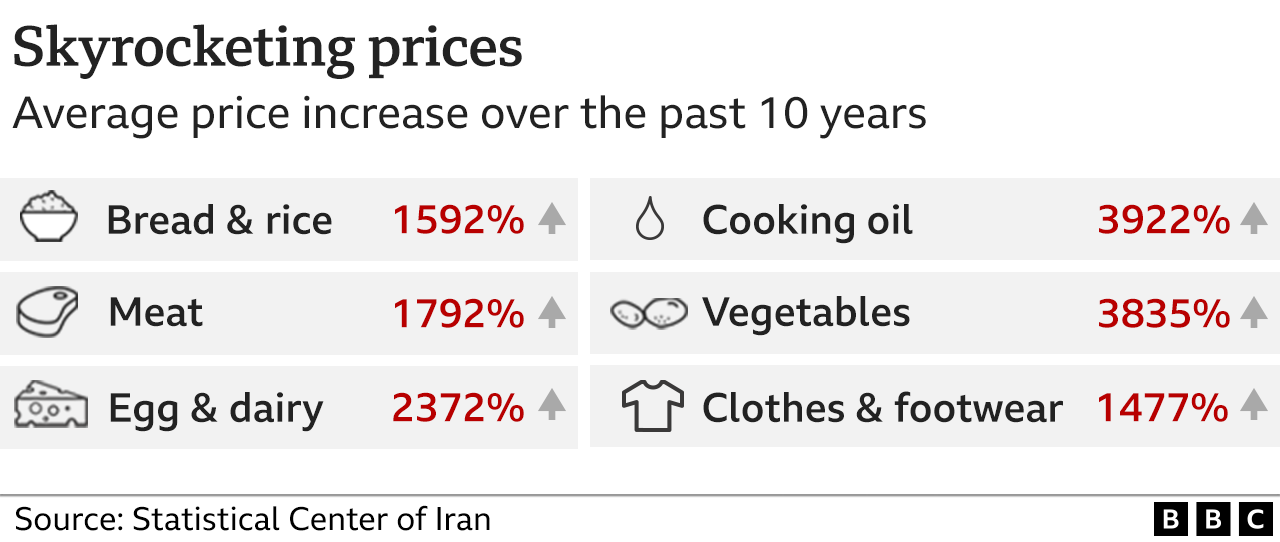
Global sugar prices have experienced a notable rebound after a long period of decline, as the ongoing war in Iran has tightened supplies from a key refining center. This situation has contributed to boosting sales from producers outside the Middle East, significantly impacting the global market.
Iran is considered one of the main countries in sugar production, and as the conflict escalates, supplies have begun to dwindle, putting upward pressure on global prices. Consequently, sugar-producing countries outside the region, such as Brazil and India, have started to increase their exports to compensate for the shortfall caused by the situation in Iran.
Details of the Event
Data indicates that sugar prices have risen by as much as 20% in recent months, reflecting the direct impact of the ongoing events in Iran. This increase follows a period of sharp price declines, during which markets were suffering from an oversupply.
Reports suggest that the war in Iran has disrupted refining and transportation operations, making it difficult for producers to meet global demand. Nevertheless, the increased demand from other markets has contributed to improving the situation for producers in countries like Brazil.
Background & Context
Historically, sugar is a staple commodity that is significantly affected by geopolitical events. In recent years, sugar markets have experienced considerable volatility due to political and economic crises in various regions around the world. For instance, sugar prices saw a substantial rise during economic crises in some producing countries.
Iran plays an important role in the sugar market, as it relies on importing large quantities of sugar to meet its domestic needs. With the escalation of conflict, it has become challenging for Iran to maintain the required production levels.
Impact & Consequences
The increase in sugar prices could lead to negative effects on the global economy, as many industries rely on sugar as a raw material. It is anticipated that high sugar prices will raise production costs across various industries, which may reflect in the prices of final products.
Moreover, rising sugar prices may affect importing countries, which will face challenges in meeting their needs at elevated prices. This situation could lead to increased inflation in some countries, putting additional pressure on governments.
Regional Significance
For Arab countries, this situation may have direct implications, especially in nations that depend on sugar imports. Sugar prices in Arab markets are expected to rise, which could impact consumers' purchasing power.
Additionally, sugar-producing countries in the region, such as Egypt and Sudan, may benefit from this situation by increasing their exports. However, the political and economic challenges in the region may affect their ability to capitalize on these opportunities.
In conclusion, the war in Iran seems to have created a state of uncertainty in the global sugar market, necessitating that both producing and consuming countries take appropriate measures to adapt to these changes.