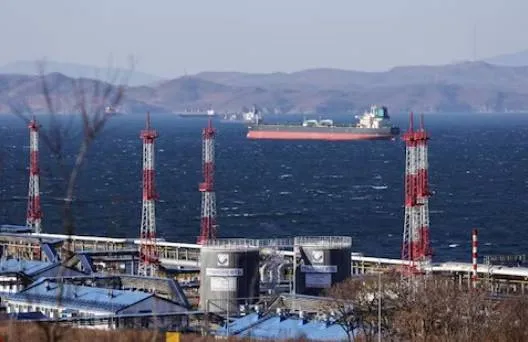
Russian Prime Minister Mikhail Mishustin announced on Tuesday that the disruptions in global supply chains resulting from the conflict in the Middle East have created new business opportunities for Russia. He stressed that maintaining price stability in the domestic market remains a top priority for the Russian government.
Russia is the world's second-largest oil exporter and the largest wheat exporter, in addition to being a major producer and exporter of fertilizers. These factors position Russia as one of the key economic beneficiaries from the repercussions of the conflict in the region, according to reports from Reuters.
Details of the Announcement
During a government meeting, Mishustin clarified that the current situation opens new horizons for enhancing the financial performance of export sectors, thereby providing additional revenues to the state treasury. He noted that Russia has the capacity to increase shipments of resources to foreign markets that are currently experiencing shortages or may face scarcity in the near future, including food supplies.
Mishustin also pointed out that global supplies of urea, sulfur, and helium have also been affected, explaining that Russia is among the major producers of these materials. He emphasized that protecting consumers domestically from fluctuations in global prices remains a fundamental priority, citing the recent ban on gasoline and nitrogen fertilizer exports as examples of precautionary measures taken.
Background & Context
These statements come at a time when global markets are experiencing instability due to ongoing conflicts in the Middle East, which have led to rising prices of oil and gas. Additionally, the closure of the Strait of Hormuz, one of the most vital routes for global oil supplies, has intensified economic tensions.
Through enhancing its exports, Russia aims to leverage these conditions to its advantage, especially amid increasing global demand for essential resources. Reports have indicated that Russia could be in a position to achieve significant economic gains under these circumstances.
Impact & Consequences
The economic repercussions of these disruptions could significantly impact global markets, with experts predicting that supply shortages will lead to rising prices and increased inflation rates. Furthermore, by boosting its exports, Russia may help alleviate some pressures on global markets, although this depends on how the situation in the Middle East evolves.
At the same time, Russia must balance between enhancing its exports and protecting its domestic market from volatility. Mishustin indicated that the government will continue to take necessary measures to safeguard consumers domestically.
Regional Significance
For the Arab region, developments in Russia could influence trade and economic relations. Amid ongoing conflicts, Arab countries may seek to strengthen their cooperation with Russia in energy and resource sectors.
Moreover, rising oil and gas prices could impact the economies of Arab nations, necessitating proactive measures to address these challenges. Ultimately, these conditions may open new opportunities for collaboration between Russia and Arab countries across various fields.