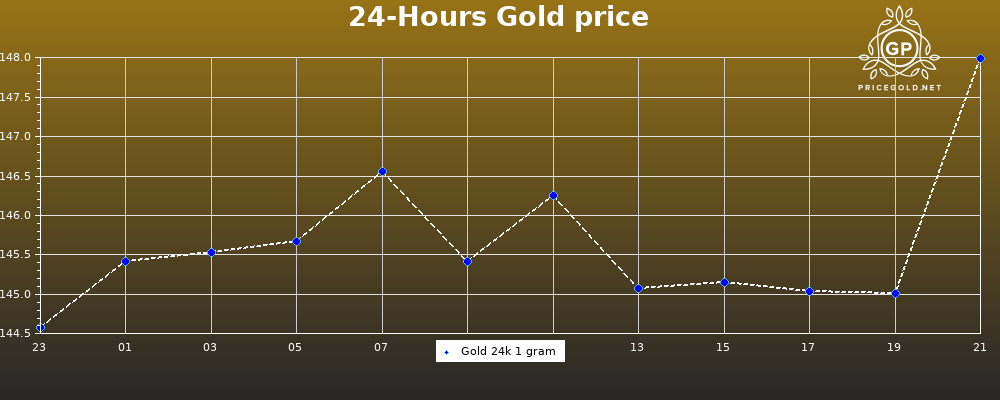
The Indonesian Central Statistics Office (BPS) reported that gold prices experienced a contraction in March 2026, after enduring inflation for 30 consecutive months. The contraction rate was 1.17% compared to the previous month, contributing to a reduction in the overall inflation rate by 0.03%.
In a press conference, BPS Deputy Head, Ateng Hartono, explained that gold, particularly the gold used in jewelry, has become one of the main factors contributing to this contraction. This decline is the first of its kind after a long period of continuous price increases.
Details of the Event
Gold was recorded as one of the most significant commodities affecting the personal care services group, contributing to a contraction of 0.37%. Data also showed that the personal care services group was among the main groups contributing to the contraction in March 2026, recording a decrease of 0.21%.
It is noteworthy that the overall inflation rate in Indonesia dropped to 0.41% in March 2026, compared to 0.68% in February of the same year. Additionally, the Consumer Price Index rose from 110.57 in February to 110.95 in March.
Background & Context
Historically, gold is considered a commodity that is significantly affected by economic and political changes. Indonesia, like many other countries, has experienced periods of high inflation due to various factors, including fluctuations in commodity prices and the increasing demand for gold as a safe haven.
Over the past two years, gold prices in Indonesia have been on a continuous rise, leading to increased living costs. However, the recent contraction may indicate a shift in economic trends, which could affect consumer and investor decisions.
Impact & Consequences
The contraction in gold prices is an important indicator of changes in the Indonesian economy. This decline may have positive effects on consumers who have been suffering from rising prices, potentially increasing purchasing power and boosting consumption.
However, this contraction should be approached with caution, as it could have negative effects on the mining sector and the gold industry, potentially leading to job reductions in this sector. Additionally, the drop in gold prices may impact investments in this field.
Regional Significance
Considering that gold is a key commodity in many Arab countries, the price contraction in Indonesia may have repercussions on regional markets. A decrease in prices could lead to increased demand for gold in Arab nations, potentially enhancing trade activity in this sector.
Moreover, changes in gold prices affect investments in Arab financial markets, as gold is viewed as a safe haven for investors during times of economic instability.
In conclusion, the contraction in gold prices in Indonesia represents a significant shift in economic trends and may have wide-ranging effects on consumers and investors in the region.