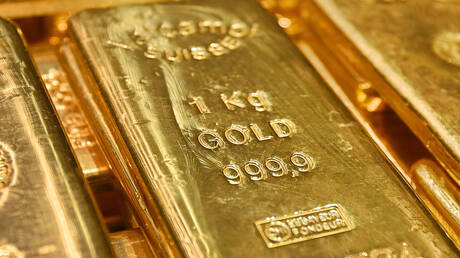
Gold prices fell on Thursday, ending a four-day streak of gains, following statements made by U.S. President Donald Trump, who confirmed that the United States would continue its war against Iran in the coming weeks.
This decline comes at a time when the global market is experiencing uncertainty, as investors seek to evaluate the risks associated with geopolitical tensions in the region. These statements have directly impacted gold prices, which are considered a safe haven during times of crisis.
Details of the Event
Gold prices experienced a notable decline, dropping by up to 1.2%, reaching $1800 per ounce. This decrease follows a period of price increases, where gains were recorded over the past four days, reflecting the market's reaction to political statements.
These developments coincide with ongoing tensions between the United States and Iran, as fears of potential military escalation rise. This atmosphere has affected financial markets in general, prompting investors to reassess their investments.
Background & Context
Historically, gold is considered an asset that markets turn to in times of crisis. Gold prices have seen significant fluctuations in recent years due to geopolitical tensions and economic crises. Trump's recent statements are part of the maximum pressure policy adopted by the United States towards Iran, which includes strict economic sanctions.
In recent years, several events have led to rising gold prices, such as global financial crises and tensions in the Middle East. As these crises continue, gold remains a preferred option for investors seeking to protect their wealth.
Impact & Consequences
The decline in gold prices may affect various economic sectors, including the jewelry industry and investment in precious metals. Additionally, lower prices may lead to reduced demand for gold from investors, which could impact global markets.
On the other hand, ongoing tensions in the region may increase demand for gold as a safe haven, potentially contributing to price stability in the long term. Investors are closely monitoring developments in the Middle East, as any escalation could lead to new market fluctuations.
Regional Significance
The impact of declining gold prices extends to the Arab region, where many Arab countries are among the largest consumers of gold in the world. A decrease in prices may lead to increased demand for gold in these countries, which could positively reflect on their economies.
However, the continuation of political tensions in the region may negatively affect foreign investments, potentially leading to fluctuations in financial markets. Arab countries that rely on gold exports may find themselves in a difficult position if these tensions persist.
In conclusion, gold remains one of the important assets in financial markets, and the decline in its prices reflects the challenges facing markets amid geopolitical tensions. Investors in the Arab region are looking for stability to achieve sustainable gains.