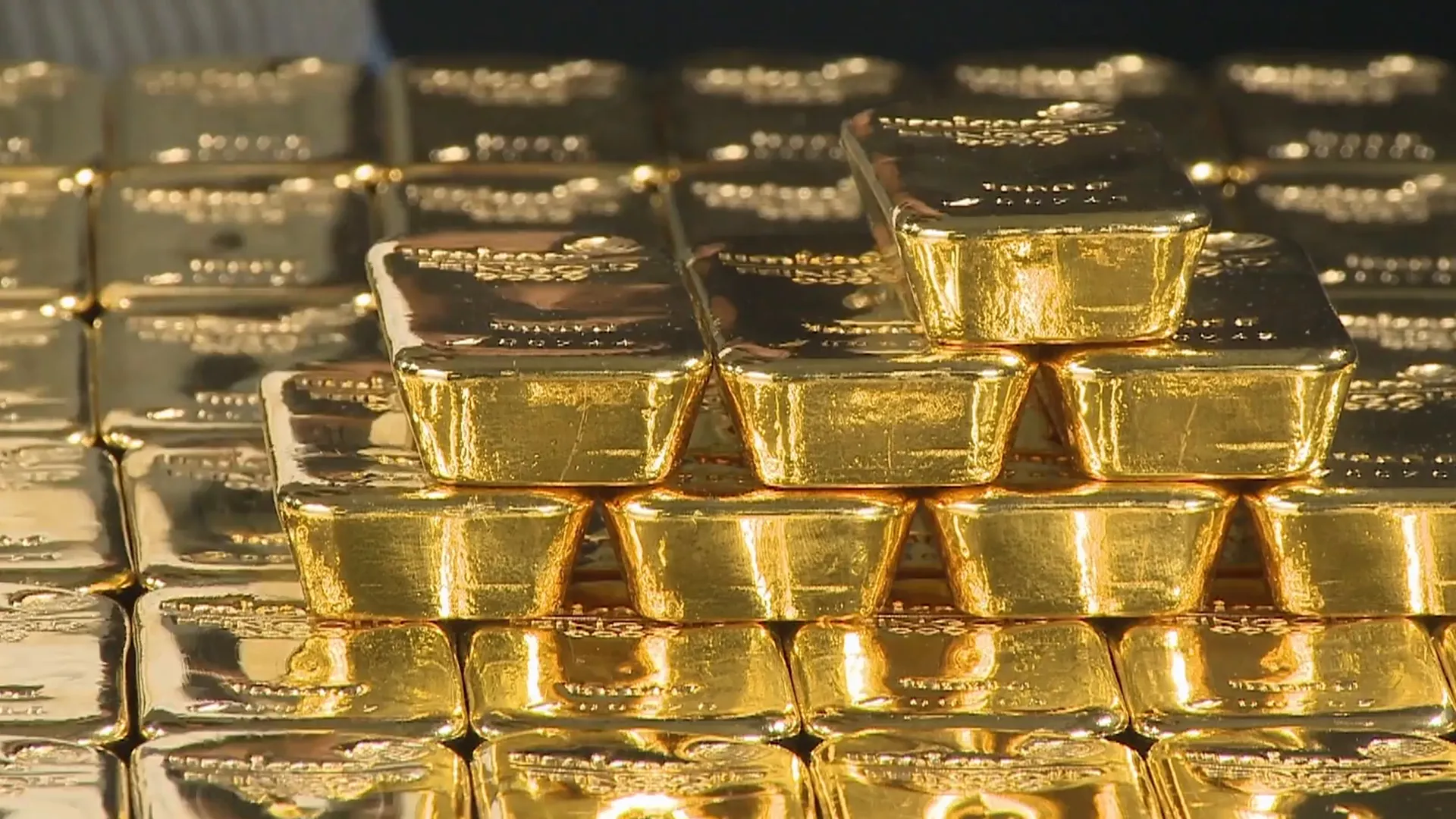
Gold prices have significantly decreased since the outbreak of the Iranian-American-Israeli war, raising questions about market behavior and investor actions during crises. Gold is typically known as a safe haven for investors, but the current situation seems to have changed this traditional rule.
In recent days, gold prices have witnessed a notable decline, with the price per ounce dropping to levels not seen in a long time. This drop comes at a time when military tensions in the region are escalating, which has puzzled many analysts and investors.
Details of the Event
Data shows that the price of gold has decreased by as much as 5% since the beginning of the conflict, reflecting unexpected changes in investor behavior. Usually, demand for gold rises during times of crisis, but current events suggest that markets may be more complex than previously thought.
This decline is attributed to several factors, including rising interest rates in the United States, which make investing in other assets more attractive. Additionally, geopolitical tensions have led to fluctuations in financial markets, affecting investor decisions.
Background & Context
Over the decades, gold has been regarded as a safe haven during economic and political crises. Historically, gold prices have risen during periods of war and conflict, as investors turn to this precious metal as a means of preserving the value of their money.
However, the current situation differs from previous crises. Global financial markets have undergone significant changes in recent years, including increased reliance on technology and electronic trading, which has affected how investors respond to crises.
Impact & Consequences
The decline in gold prices could have significant implications for global financial markets. If this trend continues, it may lead to a reevaluation of other assets, potentially impacting investments for both individuals and companies.
Moreover, this decline could affect countries that heavily rely on gold exports, leading to fluctuations in their economies. The drop in gold prices may also impact confidence in financial markets, increasing uncertainty among investors.
Regional Significance
The Arab region is among the largest gold producers, with gold exports playing an important role in the economies of some countries. The decline in gold prices could negatively affect these economies, potentially leading to reduced government revenues and adverse effects on economic development.
Furthermore, the drop in gold prices may increase pressures on local markets, affecting the purchasing power of citizens. Under the current circumstances, it is crucial for Arab countries to monitor developments in gold prices and their impact on their economies.
In conclusion, a significant question remains regarding how markets and investors will respond under these changing conditions. Will gold return to its traditional role as a safe haven, or will markets continue to adapt to new changes?