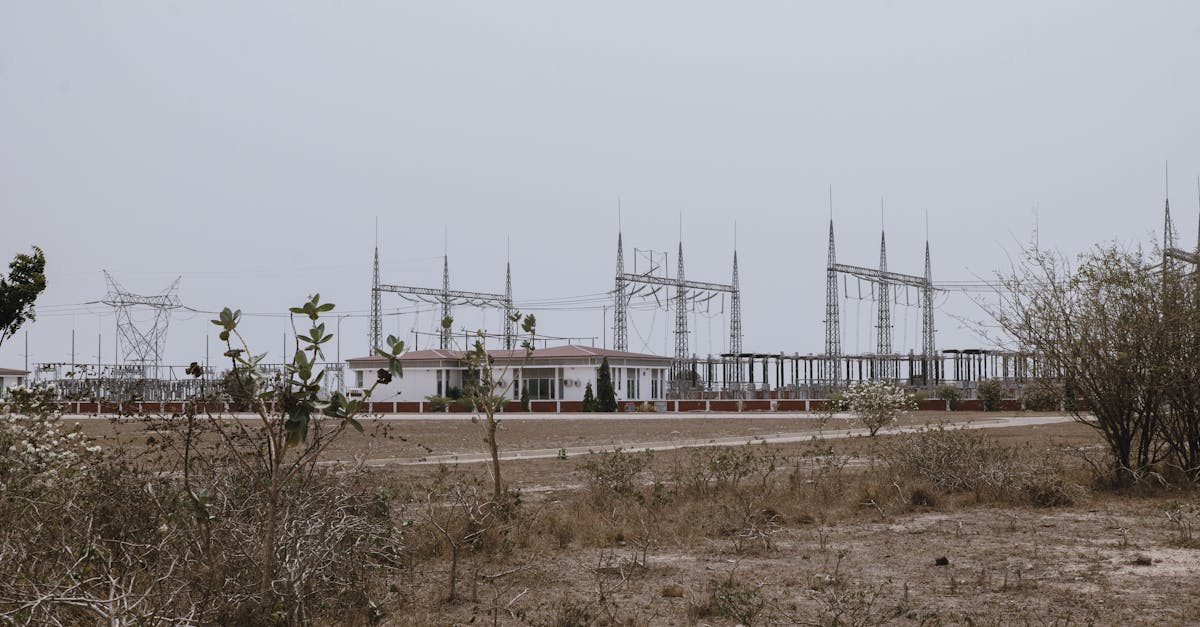
Gold prices have notably declined after U.S. President Donald Trump renewed his threats to destroy Iranian power plants. This drop occurs at a time when markets are experiencing uncertainty due to escalating tensions between the United States and Iran, with Tehran showing no signs of accepting U.S. demands to end the ongoing conflict in the region.
There is a prevailing sense of concern in global markets, where gold is considered a safe haven for investors during crises. However, Trump's aggressive statements have led to a decrease in demand for the precious metal, directly impacting its prices. Simultaneously, Iran continues to bolster its military capabilities, exacerbating tensions in the region.
Details of the Event
In statements made by Trump, he confirmed his readiness to take strict actions against Iran if it does not respond to U.S. demands. These remarks come at a sensitive time, as fears of a potential military escalation in the Middle East are increasing. Trump indicated that the United States would deliver strong strikes against Iranian infrastructure if Tehran continues to defy U.S. policies.
On the other hand, Iran continues to assert its rejection of U.S. pressures. Iranian officials have stated that they will not accept any conditions imposed by the United States, complicating the situation further. This dynamic significantly affects financial markets, as investors react to each new statement.
Background & Context
Historically, U.S.-Iranian relations have seen increasing tensions since the United States withdrew from the nuclear agreement in 2018. Since then, the U.S. has imposed strict economic sanctions on Iran, significantly impacting its economy. In response, Iran has enhanced its nuclear program and developed its military capabilities, further escalating tensions in the region.
The Middle East is one of the most sensitive regions in the world, where the political and economic interests of many countries intersect. Tensions between the United States and Iran are not new, but they have reached unprecedented levels in recent years, raising concerns about the outbreak of large-scale military conflict.
Impact & Consequences
Trump's aggressive statements could lead to an escalation of tensions in the region, which may directly affect oil and gold prices. In the event of military escalation, gold prices are expected to rise as a safe haven, while financial markets could be significantly impacted.
Moreover, these tensions could affect relations between Arab countries and Iran, as some Arab nations seek to improve their ties with Tehran, while others prefer a more hardline stance. These dynamics could lead to changes in political alliances in the region.
Regional Significance
The tensions between the United States and Iran have a direct impact on Arab countries, especially those located in the Gulf region. Many Arab nations are concerned about the escalating tensions, as any military confrontation could have negative repercussions on security and stability in the region.
Furthermore, rising oil prices due to these tensions could affect Arab economies, making them more susceptible to fluctuations. Therefore, Arab countries must be prepared to deal with any developments that may arise as a result of these tensions.
In conclusion, the tensions between the United States and Iran remain a central issue affecting global markets, including gold prices. As escalation continues, investors and countries in the region must closely monitor the situation.