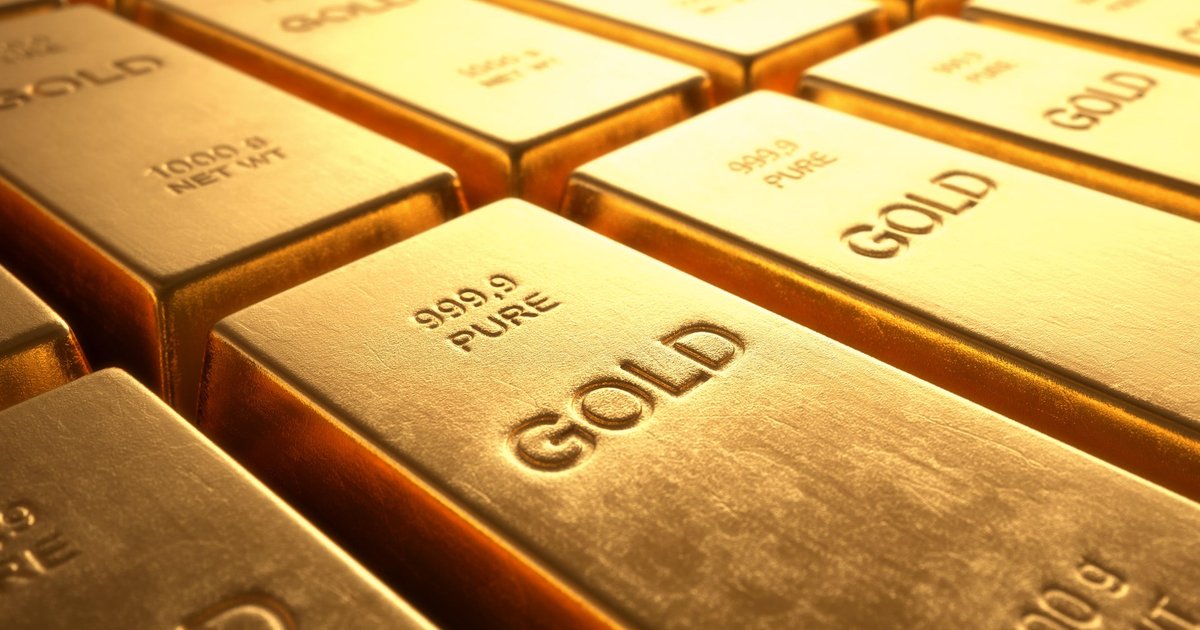
Gold prices have experienced a notable decline globally, with prices dropping due to the ongoing rise in U.S. bond yields and the strength of the dollar. This downturn reflects direct impacts on financial markets and investors, raising questions about the future of the yellow metal amid current economic conditions.
U.S. bond yields are considered a key factor affecting gold prices, as their increase raises the opportunity cost of holding gold, which does not yield returns. Simultaneously, a stronger dollar enhances the attractiveness of dollar-denominated assets, thereby increasing pressure on gold prices.
Details of the Event
According to reports, gold prices have dropped by up to 1.5% in recent days, with one ounce priced around $1,750. This decline comes at a time when financial markets are experiencing significant volatility, heightening investor concerns regarding their gold investments.
In contrast, U.S. bond yields have seen a remarkable increase, surpassing 3% for 10-year bonds, marking the highest level in several years. This rise reflects market expectations regarding potential interest rate hikes by the U.S. Federal Reserve in the near future.
Background & Context
Historically, gold has been viewed as a safe haven for investors during economic crises; however, with rising bond yields and a strong dollar, many investors are shifting towards other assets. This trend reflects changes in investor behavior, as they seek higher returns amid evolving economic conditions.
Moreover, geopolitical and economic tensions play a significant role in determining gold price trends. Recent events in global markets, such as trade disputes and political tensions, may impact the demand for gold as a safe haven.
Impact & Consequences
The decline in gold prices directly affects investors in financial markets, potentially leading to significant losses for those who invested in gold as a hedge against inflation or economic crises. Additionally, this downturn may impact countries that rely on gold exports as a primary source of revenue.
Furthermore, a decrease in gold prices could lead to reduced investments in the mining sector, affecting local economies in gold-producing countries. This decline may negatively impact job opportunities and local economies in those nations.
Regional Significance
In the Arab region, gold is considered one of the important assets relied upon by many investors. The drop in prices may affect local markets, as buyers might hesitate to purchase gold amid declining prices. This situation could lead to a decrease in demand for gold in Arab markets, impacting traders and investors.
Additionally, the decline in gold prices may affect Arab countries that depend on gold exports, such as Sudan and Egypt. These countries may face economic challenges due to reduced revenues resulting from falling global prices.
In conclusion, gold remains an important asset in financial markets, but current changes in yields and prices indicate the necessity of monitoring global economic developments and their impact on this precious metal.