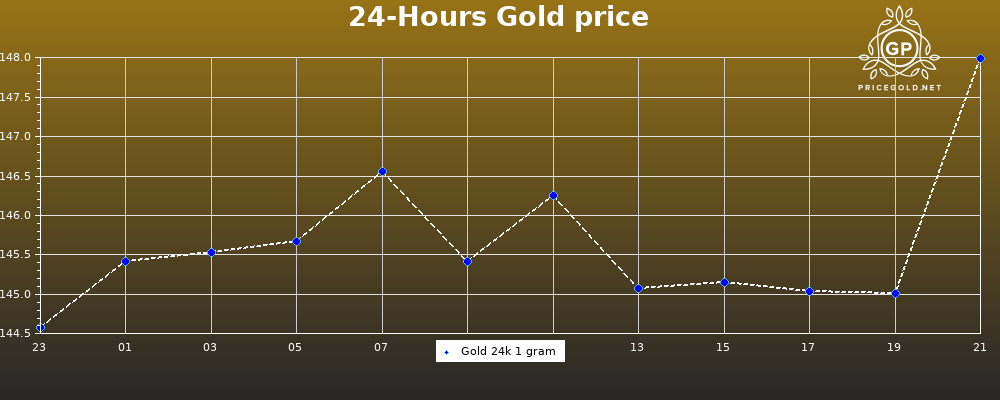
Gold prices in Indonesia experienced a noticeable decline this Tuesday morning, as the price of 24-karat gold fell to 2,827,000 Indonesian Rupiah per gram, after having recorded an increase the day before. This drop came after the price of gold rose by 30,000 Rupiah on Monday, reflecting the continuous fluctuations in the market.
According to data available on the Logam Mulia website, the price of gold has decreased by 10,000 Rupiah from the previous price, raising questions about the future trends of gold prices in the country. Additionally, the buyback price has also dropped to 2,477,000 Rupiah per gram.
Details of the Event
The gold prices in Indonesia are influenced by several factors, including changes in global prices, monetary policies, and local demand. In recent days, gold prices have experienced significant fluctuations, keeping investors and buyers in a state of constant vigilance.
It is worth noting that gold prices can change at any moment, making it essential to closely monitor the market. There are also taxes imposed on gold transactions, as income tax is levied on buyback operations, which affects the final prices for consumers.
Background & Context
Historically, gold is one of the oldest metals used by humans as a means of exchange and saving. In Indonesia, gold is seen as a symbol of wealth and financial security, with demand for it rising during social occasions and celebrations. However, fluctuations in global prices significantly impact the local market.
In recent years, gold prices have reached record highs due to global economic crises, prompting many investors to turn to gold as a safe haven. Nevertheless, changes in monetary policies and interest rates also affect gold prices, making the market susceptible to volatility.
Impact & Consequences
Fluctuations in gold prices can affect the Indonesian economy as a whole, as many investors and traders rely on price stability to achieve profits. A decline in prices may lead to a decrease in demand for gold, impacting companies operating in this sector.
Moreover, changes in gold prices also influence individuals' investment decisions, as some may hesitate to purchase gold amid current fluctuations. This situation could lead to a decline in investments in precious metals, affecting the market overall.
Regional Significance
Gold prices are also an important economic indicator for investors in the Arab region. Many Arab countries rely on gold as a means of storage and investment. Therefore, changes in gold prices in Indonesia may impact Arab markets, especially given the existing trade and investment ties between countries.
In conclusion, gold remains one of the most important metals for both investors and consumers alike. As price fluctuations continue, it remains essential to closely monitor the market to understand future trends.