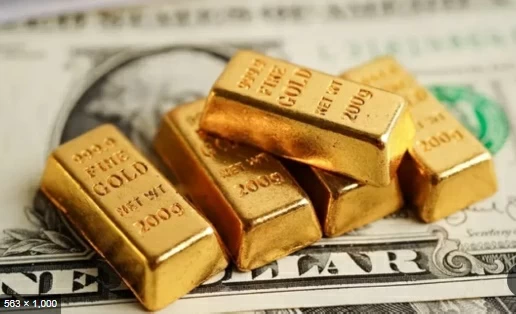
Gold prices have decreased by 17% since the outbreak of the conflict between the United States and Israel on one side and Iran on the other, due to several key economic factors. According to data from Bloomberg, gold had witnessed a historic rise before the conflict began, reaching record levels due to a massive buying wave, making it one of the most attractive assets for investors before the crisis.
With the onset of the conflict, many investors turned to sell assets that had yielded quick profits, including gold. This rapid shift in investor behavior reflects the nature of economic crises, where individuals seek to secure their funds by converting their investments into more liquid assets.
Details of the Event
One of the main reasons behind this decline is what is known as "liquidity is king." In tough times, investors look for assets that can be quickly converted to cash. Gold is considered one of the most liquid assets in the markets, prompting many to sell it quickly to provide the necessary cash liquidity to face financial challenges.
Additionally, concerns about rising interest rates emerge as a significant factor in the decline of gold prices. As interest rates rise, yields on bonds increase, while gold does not generate any direct return. This reduces gold's appeal to investors who are looking for productive investments during crises.
Background & Context
Historically, central banks have played a vital role in the gold market, as they were considered the largest buyers of gold. However, these banks may currently be forced to sell part of their reserves to finance energy and defense costs, which exacerbates the pressures on gold prices and alters the traditional rules of the game during times of crisis.
It is noteworthy that gold prices have experienced significant fluctuations in recent years, having risen sharply before the conflict began, making it a target for many investors. However, rapid changes in geopolitical and economic conditions directly affect this market.
Impact & Consequences
The impact of declining gold prices extends to global financial markets, where gold is considered a safe haven in times of instability. A drop in prices may lead to a decline in confidence in the markets, which could negatively affect other investments. Additionally, the decline in gold prices may impact countries that heavily rely on gold exports as a primary source of revenue.
Moreover, this decline may lead to changes in investment strategies among individuals and companies, as they may seek other safer and more attractive alternatives. Under these circumstances, fluctuations in gold prices are expected to continue until the geopolitical and economic situation becomes clearer.
Regional Significance
In the Arab region, gold is considered one of the important assets relied upon by investors. The decline in prices may affect gold-producing countries, such as Sudan and Egypt, potentially leading to a decrease in revenues. Arab investors may also feel concerned about this decline, prompting them to reassess their investments.
In conclusion, gold remains a vital asset in financial markets, but current challenges require investors to exercise caution and flexibility in their investment strategies.