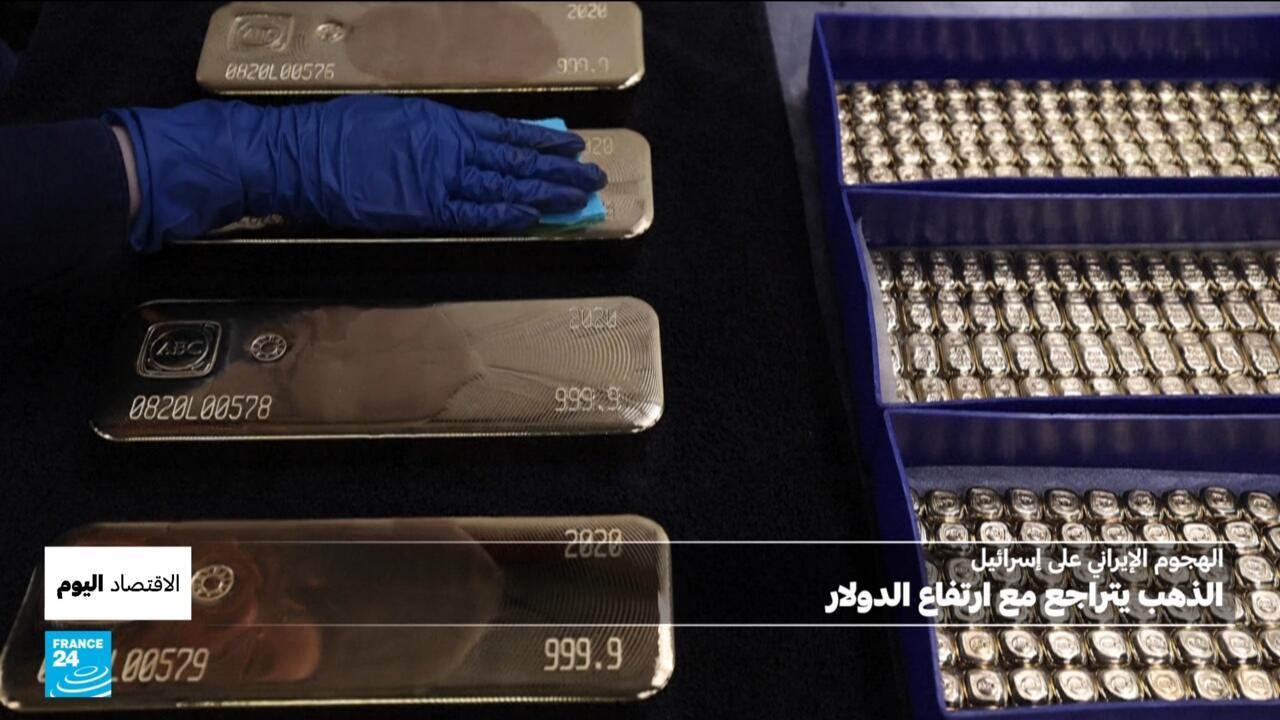
Gold prices dropped today, Thursday, after two consecutive sessions of gains, as investors are looking for clearer indicators of progress in efforts to calm the ongoing U.S.-Israeli war against Iran. This decline comes as investors exercise caution and await new geopolitical developments that may impact demand for safe-haven assets.
In spot trading, gold prices fell by 1.17% to $4454.33 per ounce, while U.S. gold futures for April delivery lost 2.21%, recording $4451.71.
Event Details
U.S. President Donald Trump stated that Iran is striving to reach an agreement to end the war that has been ongoing for nearly four weeks. This statement contrasts with Iranian Foreign Minister Abbas Araghchi's remarks, who confirmed that his country is considering a U.S. proposal but does not intend to engage in talks to end the conflict.
In this context, Kyle Rodda, a senior market analyst at Capital.com, indicated that gold prices will be affected in the next twenty-four to forty-eight hours based on news related to the negotiations. He noted that significant movements may appear at the beginning of next week when it becomes clear whether the U.S. will conduct a ground invasion of Iran.
Background & Context
These developments come at a sensitive time, as tensions in the Middle East have escalated, impacting global financial markets. In energy markets, Brent crude futures have risen again above $100 per barrel, amid fears that the ongoing conflict in the region could lead to further disruptions in energy flows.
Typically, rising energy prices lead to increased inflation by raising transportation and manufacturing costs. Although rising inflation usually drives demand for gold as a hedge, higher interest rates put pressure on demand for the non-yielding yellow metal.
Impact & Consequences
Forecasts indicate that markets no longer expect any monetary easing from the U.S. Federal Reserve this year, after earlier expectations suggested at least two cuts in U.S. interest rates before the outbreak of the conflict. According to the CME's FedWatch tool, there is a 64.4% chance that the U.S. central bank will keep interest rates unchanged at its December meeting.
At the same time, the dollar index, which measures the performance of the U.S. currency against a basket of six currencies, rose by 0.1% to 99.69 points, after achieving its largest daily gain in a week during the previous session. Analysts from Westpac confirmed that markets remain critically influenced by news, with a strong focus on assessing whether recent news represents a genuine attempt to ease tensions.
Regional Significance
These developments directly affect the Arab region, where many countries are suffering from the repercussions of ongoing conflicts. Rising oil prices may increase economic pressures on energy-importing countries, while the decline in gold prices could lead to volatility in regional financial markets.
In conclusion, the situation in the Middle East remains volatile, requiring investors and analysts to closely monitor developments, as any changes in the geopolitical stance may impact global markets.