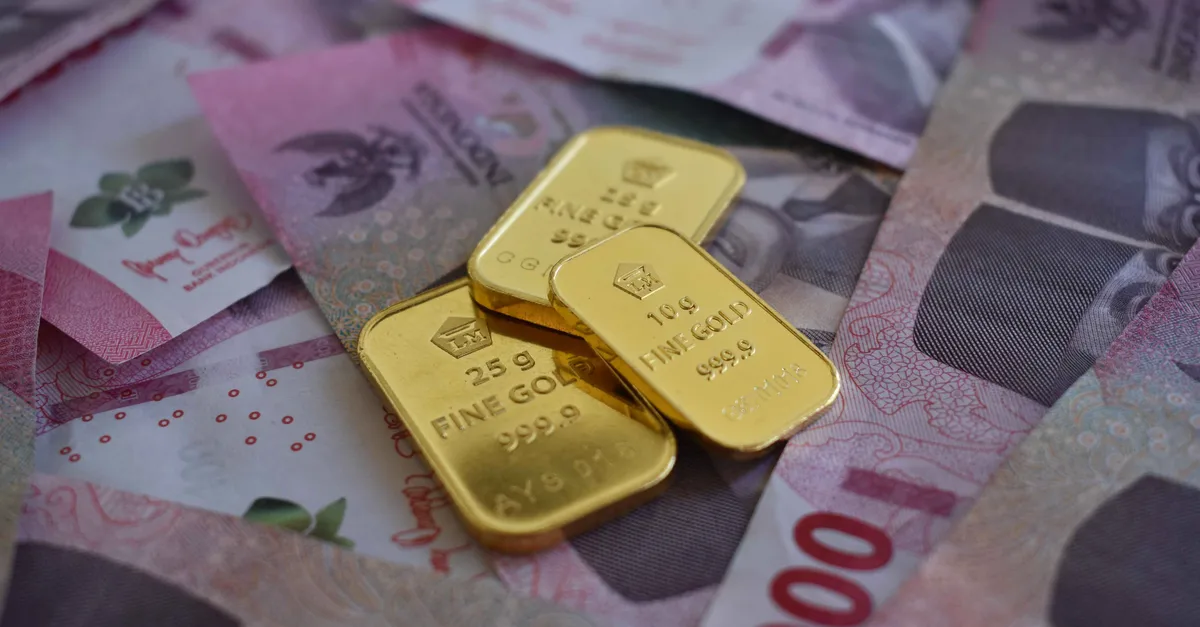
Gold prices have dropped to their lowest levels in two months, recording $4380 per ounce during early trading on Thursday. This decline comes amid escalating geopolitical tensions, as new U.S. attacks on Iran have led to a surge in oil prices, raising concerns among investors about increasing inflation.
These developments indicate how political events can impact financial markets. Typically, rising oil prices lead to increased production and transportation costs, which negatively affect overall prices and increase inflationary pressures.
Event Details
As markets continue to monitor developments in the Middle East, gold prices, which are considered a safe haven for investors during times of uncertainty, have seen a significant decline. The U.S. attacks on Iran, which occurred amid rising tensions between the two countries, prompted swift reactions in the markets, with oil prices rising sharply.
This increase in oil prices may contribute to inflation, which is concerning for investors. Expectations of interest rate hikes by central banks could negatively impact demand for gold, further contributing to its price decline.
Background & Context
Historically, gold has been an asset that countries and investors turn to during crises. However, changes in monetary policy, especially in the United States, play a crucial role in determining the direction of gold prices. In recent years, we have witnessed significant fluctuations in gold prices due to various factors, including geopolitical tensions and global economic changes.
The relationship between oil prices and inflation is not new, as rising oil prices often lead to increased living costs, putting pressure on households and increasing burdens on governments. In this context, it is essential to monitor geopolitical events and their impact on financial markets.
Impact & Consequences
The decline in gold prices may affect individual and corporate investments, as gold is considered an asset used as protection against inflation. With rising oil prices, investors may reassess their portfolios, potentially leading to further volatility in the markets.
Moreover, expectations of interest rate hikes may lead to decreased demand for gold, as investors tend to seek higher returns in other assets. This trend could contribute to additional pressures on gold prices in the near future.
Regional Significance
The Arab region is among the most affected by fluctuations in oil prices, as many countries rely on oil revenues to finance their budgets. Thus, rising oil prices may have a positive impact on the economies of these countries, but at the same time, they may increase inflationary pressures.
Additionally, geopolitical tensions in the region, such as those related to Iran, may lead to increased uncertainty in the markets, negatively impacting investments and local economies. Therefore, monitoring these developments remains crucial for understanding future trends.
In conclusion, gold prices remain under significant pressure due to geopolitical and economic developments. As oil prices continue to rise, the question remains about how this will affect inflation and interest rates, necessitating close attention from investors and analysts.