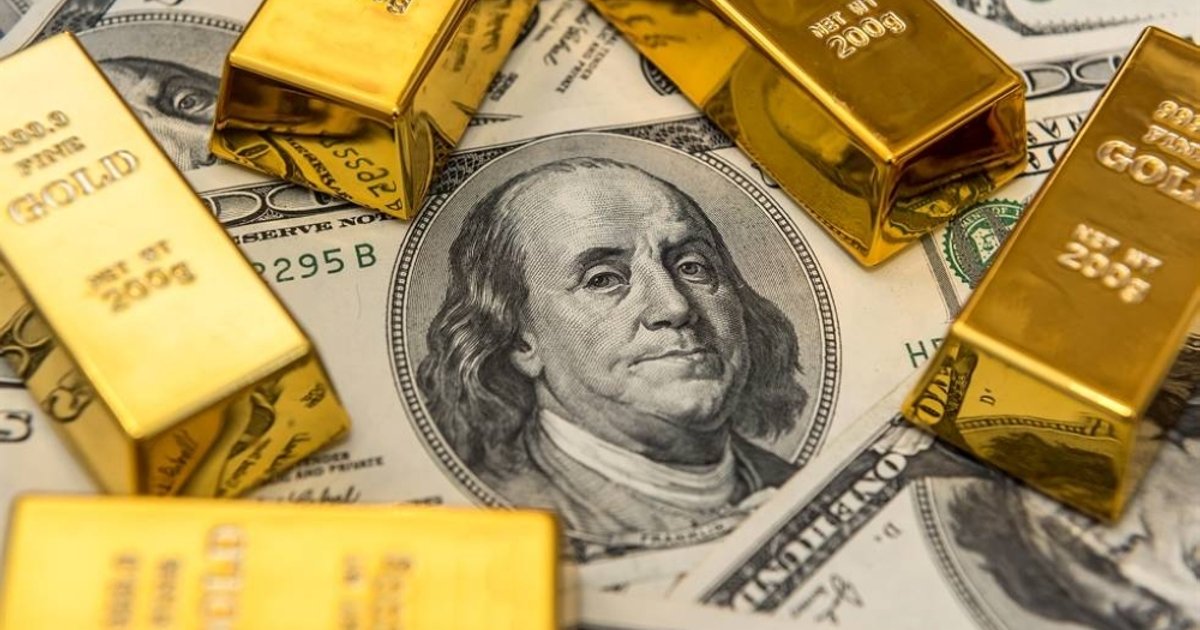
Gold prices plummeted by more than 1% on Tuesday, marking the tenth consecutive session of decline. The decline in gold prices is attributed to the surge in the US dollar, which makes the precious metal less attractive to investors holding other currencies. Additionally, the fading hopes for a rate cut by the Federal Reserve have contributed to the decline in gold prices.
In the spot market, gold prices fell by 1.4% to reach $4345.48 per ounce at 01:08 GMT. The decline in gold prices was also reflected in the US gold futures market, indicating a significant decrease in demand for the precious metal as a safe-haven asset in the current economic conditions.
Event Details
The latest economic data shows that the US dollar has surged significantly, negatively impacting gold prices. Historically, a strong US dollar has been associated with a decline in gold prices, as the precious metal becomes less attractive to investors holding other currencies. Furthermore, the fading hopes for a rate cut by the Federal Reserve reflect the central bank's shift towards a more hawkish monetary policy, increasing pressure on gold prices.
It is worth noting that gold prices had surged significantly in recent months, as investors sought a safe-haven asset amidst economic volatility. However, with the changing economic landscape, the overall trend appears to have reversed, leading to a continuous decline in gold prices.
Background & Context
Gold has historically been considered a safe-haven asset that investors turn to during economic downturns. However, changes in the Federal Reserve's monetary policy play a crucial role in determining the direction of gold prices. In recent years, we have witnessed significant fluctuations in gold prices due to changes in interest rates and monetary policies.
In the face of global economic challenges, such as inflation and potential recession, investors are turning to gold as a means of protection against market volatility. However, the surge in the US dollar may limit the attractiveness of gold, impacting individual and institutional investments alike.
Impact & Consequences
The decline in gold prices has significant implications for global financial markets. When gold prices fall, investors who rely on the precious metal as a safe-haven asset are negatively impacted. Additionally, the decline in gold prices may affect countries that heavily rely on gold exports, potentially leading to economic fluctuations in those countries.
Furthermore, the decline in gold prices may impact financial markets in emerging economies, where many investors rely on gold to preserve their wealth. Consequently, any decline in gold prices may have negative effects on the overall economy of those countries.
Regional Significance
In the Arab region, gold is an important asset that many individuals rely on to preserve their wealth. With the decline in gold prices, investors in Arab countries may feel concerned about the impact on their investments. Additionally, the decline in gold prices may affect some countries that heavily rely on gold exports as a primary source of revenue.
However, the decline in gold prices may also create new opportunities for investors seeking to purchase the precious metal at lower prices, potentially leading to an increase in demand for gold in the near future.
In conclusion, gold prices remain under the influence of various economic factors, and the current trend suggests that the pressure on prices will continue due to the surge in the US dollar and changes in monetary policies. Investors must closely monitor economic developments to determine future trends.