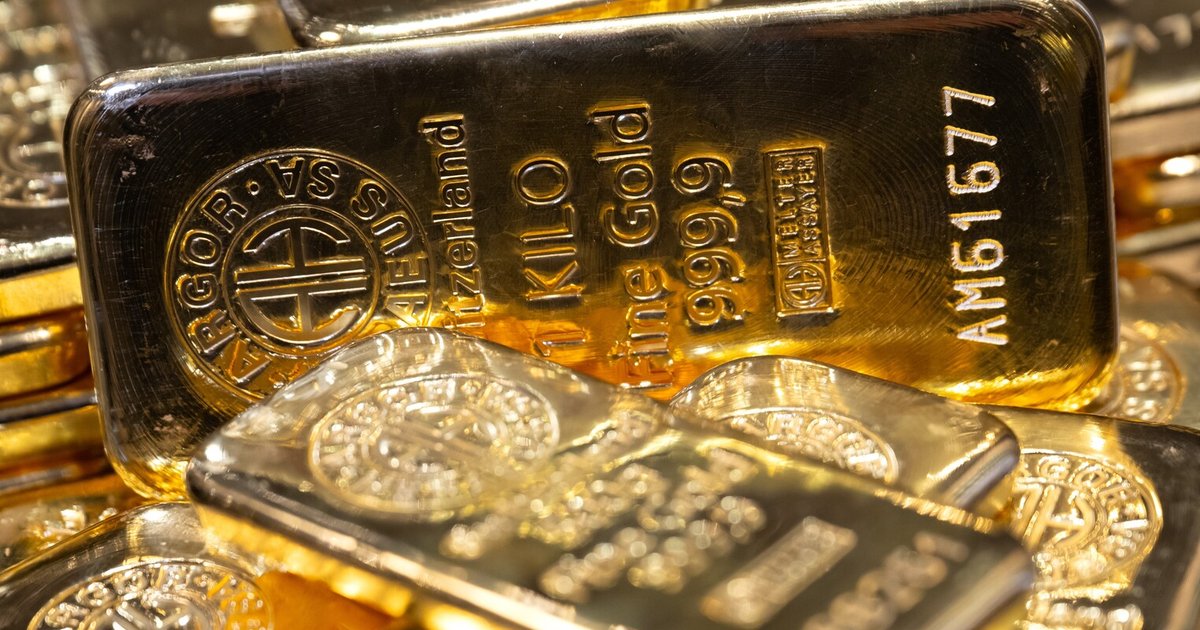
Gold prices have seen a significant decline, dropping by more than 6% today to reach a level of $4217.08 per ounce, the lowest since December 11, 2026. The precious metal has now recorded losses for nine consecutive sessions, marking its worst week in 43 years.
This sharp decline in gold prices is largely attributed to the tensions arising from the escalating conflict between the United States and Israel on one side and Iran on the other. These events have sparked renewed fears regarding inflation, resulting in increased expectations for global interest rate hikes.
Event Details
U.S. gold futures for delivery in April fell by 8.32%, reaching $4194.40 per ounce. This comes after the metal had already dropped by more than 10% last week, reflecting volatility levels not seen since 1983.
According to Tim Waterer, Chief Market Analyst at KCM Trade, the ongoing Iranian conflict has deep impact on the markets. The fluctuation of oil prices around $100 per barrel has heightened inflation fears, adversely affecting gold’s attractiveness as an investment.
Background & Context
Economic giants like the U.S. Federal Reserve have recently contributed to rising expectations for interest rate increases, which have had a direct influence on gold investments. Surveys of investor sentiment indicated that while rate cuts were anticipated, those expectations have shifted towards increases, thus intensifying pressure on the precious metal.
Iran has also entered the fray, announcing its intention to target electrical and water networks of its Gulf neighbors in response to threats from President Donald Trump, further escalating regional tensions and impacting commodity markets.
Impact & Consequences
The drop in gold prices could lead to further declines in other precious metals markets. Spot silver fell by 7.4% to $62.78 per ounce, while platinum dropped to $1786.47, down by 7.2%. Palladium also witnessed a decline of 3.3%, reaching $1362.07.
As noted by Waterer, the steep fall in stock markets may compel investors to make sudden decisions, including liquidating gold positions to cover liquidity shortages due to increased demand for cash.
Regional Significance
Arab markets are also feeling the repercussions of the current situation, as investors face a climate of instability. Rising interest rates in the United States could impact Arab economies that heavily rely on liquidity reserves transferred from gold investments. Additionally, escalating tensions in the Gulf region may later lead to increased transportation and manufacturing costs, negatively reflecting on local markets.
In conclusion, gold faces new challenges amid rising regional tensions and economic pressures, placing many investors in difficult positions within this volatile environment.