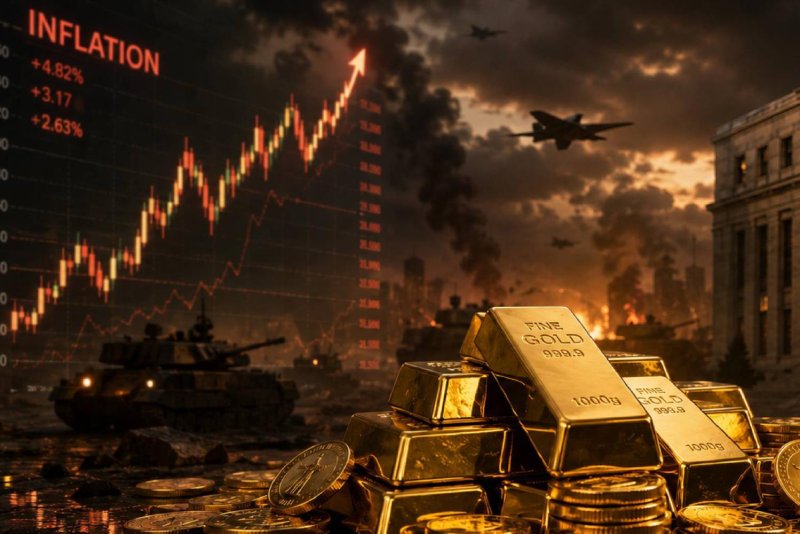
Kritcharat Heroniasiri, the head of MTS Gold, confirmed that gold prices have ended their downward trend, bolstering expectations that the price will reach $5500 per ounce or 90,000 baht for local gold by the end of the year. Despite ongoing conflicts in the Middle East, gold has maintained stability above $4500 per ounce, significantly higher than its lowest point this year of $4100.
Heroniasiri noted that the downward trend has concluded, adding that the short-term resistance level is $4820 per ounce. Following a substantial increase of 65% in gold prices in 2025, the yellow metal has faced pressure due to the Gulf war since late February, as rising oil prices may increase inflation risks and bolster the likelihood of interest rate hikes.
Market Forecast and Price Trends
High interest rates are a burden on non-yielding assets like gold, which is traditionally seen as a hedge against inflation. According to MTS's outlook, gold is expected to trade within the range of $4700-$4855 over the next two weeks. If it surpasses this range, the next resistance level will be $5000, which could occur in October.
Heroniasiri explained that the situation heavily depends on the duration of the closure of the Strait of Hormuz, and once it reopens, the speed at which oil prices decline will affect gold's recovery. If oil prices drop quickly, gold will regain its value at a similar pace.
Background & Context
Several factors support gold prices for the remainder of 2026, including the possibility that the U.S. Federal Reserve may cut interest rates later this year. The U.S. central bank is expected to maintain interest rates at 3.5-3.75% during the first meeting of new chair Kevin Warsh in June before potentially lowering rates in October or December.
The second factor is the trend towards reducing reliance on the dollar, which will put pressure on the U.S. currency in the long term due to high public debt levels. Finally, central banks worldwide have been bolstering their gold reserves amid ongoing economic and political uncertainty.
Impact & Consequences
For instance, Thailand's central bank increased its gold reserves to 11% of total foreign reserves before 2022, while some other banks hold gold reserves as high as 20%. These steps reflect central banks' recognition of gold's importance as a safe haven during times of crisis.
Farut Rongkhum, head of research at YLG Bullion & Futures, believes the chance of prices dropping to $4500 per ounce is rare, supported by the return of the Chinese central bank to gold purchases.
Regional Significance
The implications of rising gold prices extend beyond local markets, influencing global economic stability. As gold prices rise, they can signal inflationary pressures that may affect investments and consumer behavior worldwide.
In conclusion, the dynamics of gold prices are closely tied to geopolitical tensions and central bank policies, making them a critical indicator of economic health and investor sentiment.