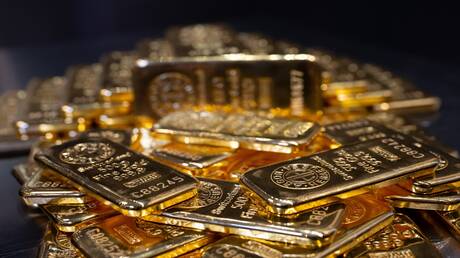
Gold prices saw a significant increase today, with a notable rise in its value due to a decline in oil prices, which contributed to easing concerns related to inflation and interest rate hikes. This increase comes at a time when investors in financial markets are trading on reports indicating a U.S. plan aimed at ending the ongoing conflict in the Middle East.
Gold prices are considered important indicators in financial markets, as its price is closely linked to inflation rates and interest rates. With the decline in oil prices, which is one of the main factors affecting inflation, investors have begun to reassess their investments, leading to increased demand for gold as a safe haven.
Details of the Event
Gold prices rose by as much as 1.5% during today's trading, reaching around $1900 per ounce, after previously declining. This rise occurs amid a significant drop in oil prices, which has recently seen a marked decrease, helping to calm inflation concerns.
Reports discussing a U.S. plan to end the conflict in the Middle East could have substantial impacts on global markets, as it may lead to greater stability in the region, positively reflecting on the global economy. This stability could reduce the inflationary pressures that many countries are facing.
Background & Context
Over the past months, financial markets have experienced significant fluctuations due to various factors, including rising interest rates in the United States, which negatively affected gold prices. However, the decline in oil prices may serve as a turning point, as lower energy prices can alleviate inflationary pressures.
Historically, gold is considered a safe haven for investors during economic crises. With increasing concerns about inflation and rising interest rates, many investors are turning to gold as a means to protect their wealth. This trend may increase under current circumstances, reflecting the importance of gold in financial markets.
Impact & Consequences
The rise in gold prices could lead to multiple effects on the global economy, as it may encourage investors to reassess their investment portfolios. If this trend continues, we may witness an increase in demand for gold, potentially leading to even higher prices.
Moreover, the stability and decline in oil prices may contribute to easing inflationary pressures, which could prompt central banks to reconsider their monetary policies. This could lead to greater stability in financial markets and reflect positive effects on the global economy.
Regional Significance
The Arab region is among the most affected by fluctuations in oil and gold prices. With the decline in oil prices, some Arab countries may face economic challenges, especially those heavily reliant on oil revenues. However, the rise in gold prices could provide opportunities for some investors in the region.
Additionally, the potential stability in the Middle East resulting from the U.S. plan may contribute to improving economic conditions in the region, enhancing growth and investment opportunities. This could have positive effects on Arab financial markets and bolster confidence in the regional economy.
In conclusion, gold remains one of the important assets in financial markets, significantly influenced by economic and political factors. As inflation fears and interest rates decline, we may witness further fluctuations in gold prices, necessitating investors to closely monitor developments.