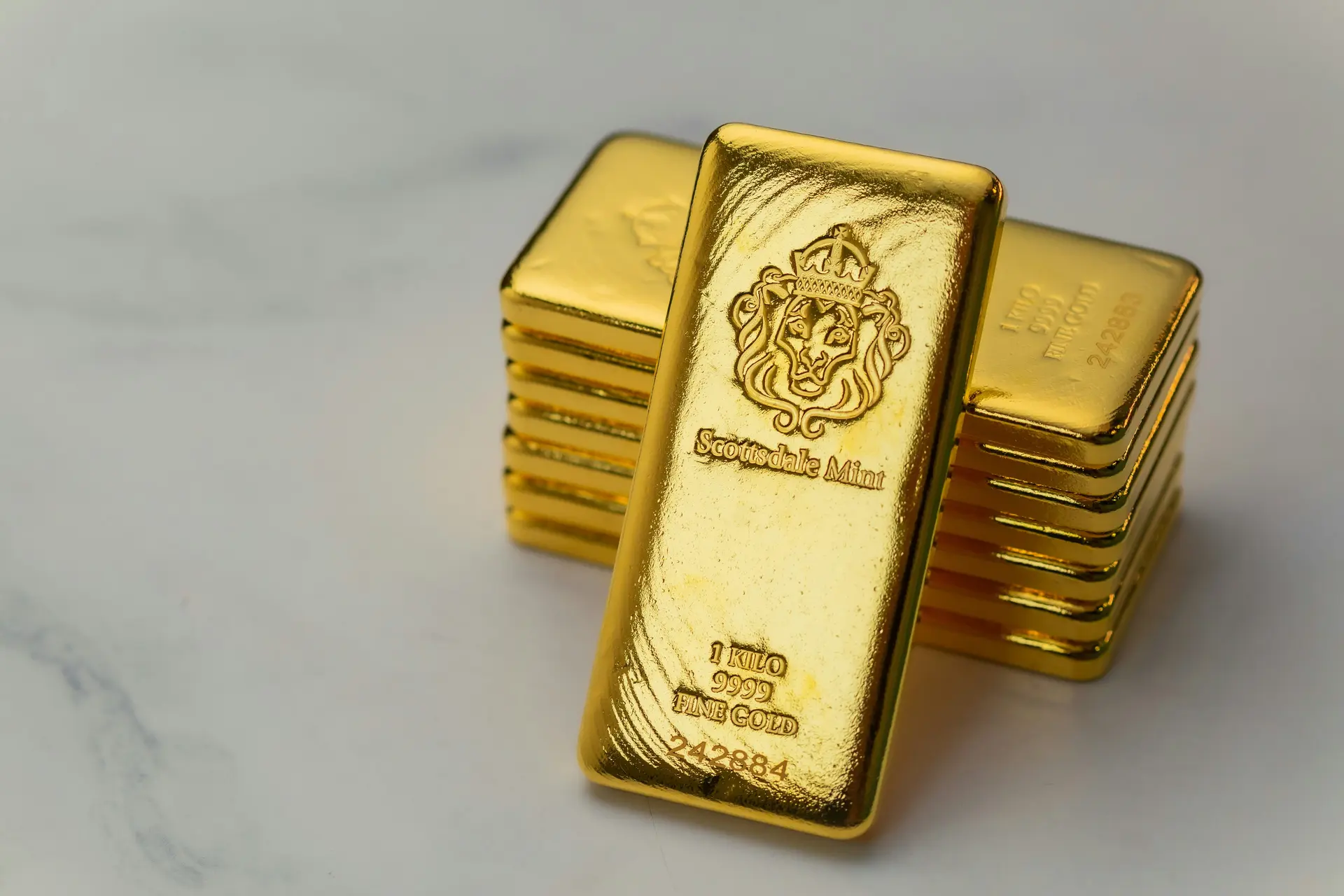
Gold prices have increased globally by 1.2% on Saturday, March 28, 2026, amid fluctuations in the US dollar. This rise indicates a growing demand for the precious metal as a safe haven for investors during times of economic uncertainty.
Gold prices are significantly affected by dollar fluctuations, as investors tend to buy gold when the dollar weakens, increasing gold's value for holders of other currencies. This trend reflects market concerns over global economic and political changes.
Details of the Event
In recent hours, gold prices have surged to new levels, with the price of an ounce reaching around $2000, a level many consider a sign of continued upward momentum. This rise is attributed to several factors, including geopolitical tensions and rising inflation in many countries.
Other financial markets have also experienced notable fluctuations, with some stocks declining amid fears of an economic recession. This situation has prompted many investors to shift their funds into gold, contributing to increased demand for the precious metal.
Background & Context
Gold is one of the oldest and most important assets that investors turn to during crises. Historically, gold has been considered a safe haven during periods of economic instability, and its prices have seen significant increases during global financial crises.
In recent years, gold prices have experienced considerable fluctuations due to several factors, including trade tensions between major countries, changes in monetary policies, and the impact of the COVID-19 pandemic, which has led to widespread economic disruptions.
Impact & Consequences
The rise in gold prices can affect many economic sectors. For instance, it may lead to increased production costs in industries that rely on precious metals, which could negatively impact the prices of other goods.
Moreover, rising gold prices may influence investments in financial markets, as investors might reduce their exposure to stocks and increase their investments in gold, creating a new balance in financial markets.
Regional Significance
In the Arab region, gold is considered one of the important assets relied upon by many investors. The rise in prices may impact local gold markets, as demand may increase from consumers seeking to protect their money from inflation.
Additionally, gold-producing countries may benefit from rising prices, enhancing their revenues. However, Arab governments must closely monitor these changes to avoid any negative impacts on their economies.
In conclusion, gold remains a vital asset in global financial markets, and the rise in its prices reflects the economic challenges facing the world today. It is essential for investors to stay informed about market changes and make informed decisions based on ongoing economic transformations.