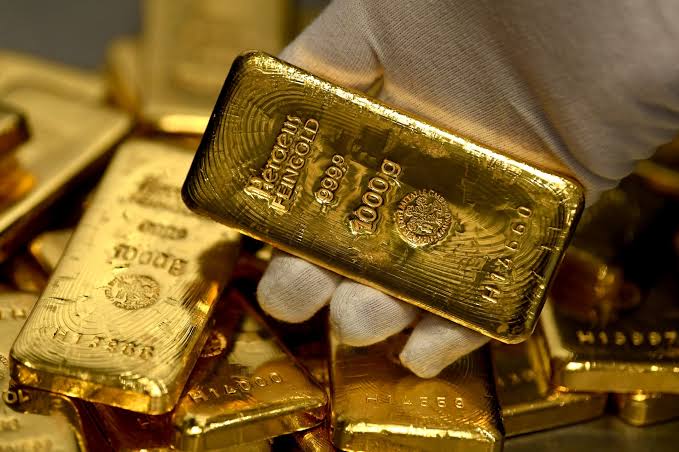
Gold prices rose slightly today, with spot gold increasing by 0.2% to reach $4,499.56 per ounce. This uptick occurs as investors evaluate reports regarding a ceasefire agreement between the United States and Iran, amid escalating fears about inflation and American interest rate hikes.
Despite the minor increase, gold remains down by approximately 0.2% since the beginning of the week, while US gold futures fell by 0.1% to $4,529.80.
Details of the Event
The price of the precious metal experienced a notable decline last Thursday, dropping to its lowest level in two months, before closing higher following reports of an extension of the ceasefire between the US and Iran. According to informed sources, the US and Iran reached an agreement to extend the ceasefire and lift restrictions on shipping through the Strait of Hormuz, although President Donald Trump has yet to approve it.
Iranian state media also reported that the agreement has not been finalized, adding to the uncertainty in the markets. This situation reflects the ongoing tensions between the two countries, which significantly impact gold prices.
Background & Context
Historically, gold is considered a safe haven for investors during times of economic and political crises. Global markets have witnessed significant volatility due to current events in the Middle East, including the ongoing conflicts between the US and Iran. These conflicts affect energy prices and inflation, increasing demand for gold as a hedge.
In April, inflation in the United States rose at its fastest pace in three years, driven by soaring energy prices due to the war with Iran. This situation bolsters economists' expectations that the Federal Reserve will keep interest rates unchanged until next year.
Impact & Consequences
The rise in gold prices generally affects financial markets, as gold is an asset that investors turn to during instability. If the current situation persists, we may witness further increases in gold prices, which could impact global economies, especially those reliant on gold imports.
Additionally, the continuation of tensions between the US and Iran may exacerbate economic conditions in the region, increasing inflation risks and affecting foreign investments.
Regional Significance
Gold prices are a significant indicator for Arab economies, as many countries rely on gold as a means to hedge against economic fluctuations. Under the current circumstances, Arab markets may see an increase in demand for gold, which could affect local prices.
Moreover, any escalation in tensions between the US and Iran could have negative repercussions on regional stability, increasing uncertainty in the markets.
In conclusion, gold remains one of the crucial assets significantly influenced by ongoing events, and investors should closely monitor developments.