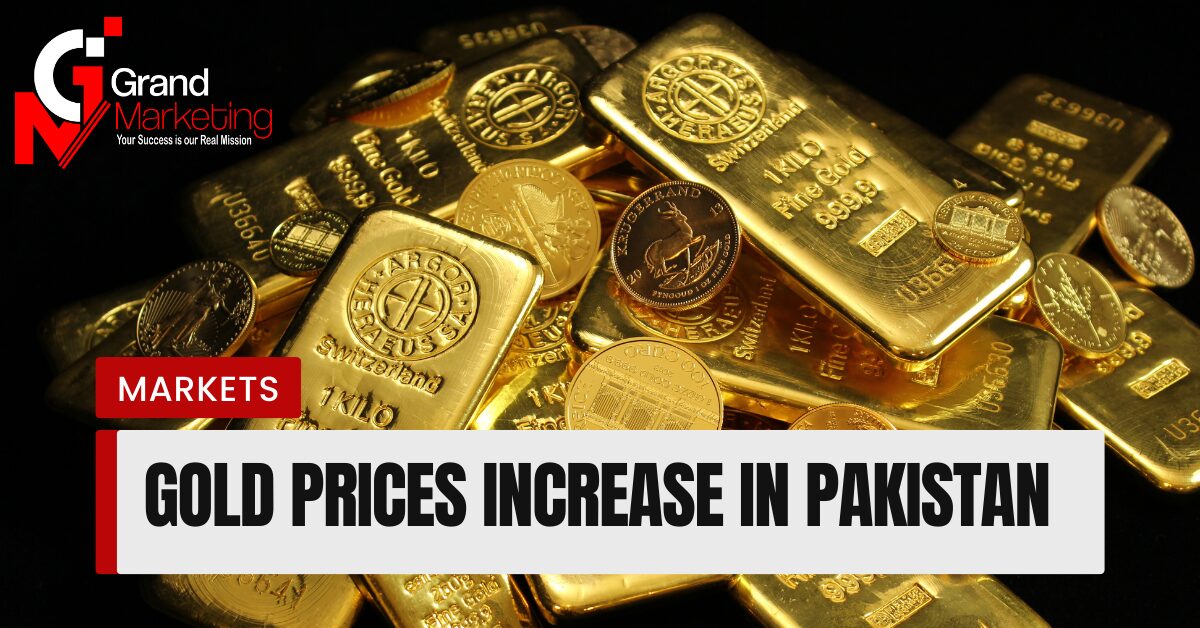
Gold prices have recently seen a significant increase, driven by expectations that military conflicts in certain regions may soon come to an end. This surge reflects a growing demand for the precious metal as a safe haven during times of instability.
Amid economic and political crises affecting the world, gold is considered one of the safest assets that investors turn to. With increasing expectations that military conflicts may be nearing resolution, investors have begun to reassess their investments, leading to a rise in demand for gold.
Details of the Event
According to reports, gold prices have risen significantly over the past few days, surpassing the $2000 per ounce mark. This increase comes at a time when the world is witnessing major political and economic shifts, heightening uncertainty in the markets.
Gold is viewed as an asset that retains its value during tough times, and gold markets have seen increasing interest from investors seeking to protect their wealth from market fluctuations. This trend also reflects concerns about inflation and economic recession that could impact global markets.
Background & Context
Historically, gold has been regarded as a symbol of value and stability. During times of crisis, investors turn to gold as a means of safeguarding their wealth. Military conflicts, such as those witnessed in certain regions in recent years, significantly impact the global economy, increasing demand for gold.
Historically, gold prices have experienced significant fluctuations during wars and conflicts. For instance, during the global financial crisis in 2008, gold prices surged dramatically, reflecting investors' desire for a safe haven.
Impact & Consequences
The rise in gold prices could have wide-ranging effects on the global economy. On one hand, it may lead to increased investments in the mining and gold production sectors, creating new job opportunities. On the other hand, it could affect financial markets, as rising gold prices may lead to volatility in stock and bond prices.
Moreover, the increase in gold prices may impact producing countries, potentially boosting their revenues and strengthening their economies. However, countries that rely on imports may face challenges amid rising prices.
Regional Significance
In the Arab region, gold is considered an important asset that individuals hold as a means of preserving wealth. With the rising demand for gold, Arab markets may witness price increases, affecting consumers' purchasing power.
Additionally, the rise in gold prices may impact investments in the gold and jewelry sector in Arab countries, enhancing growth opportunities in this sector. However, investors must be cautious of price fluctuations and make informed investment decisions.
In conclusion, gold is likely to remain one of the main assets in the investment world, especially amid changing economic and political conditions. With increasing demand, gold prices are expected to continue rising, reflecting uncertainty in global markets.