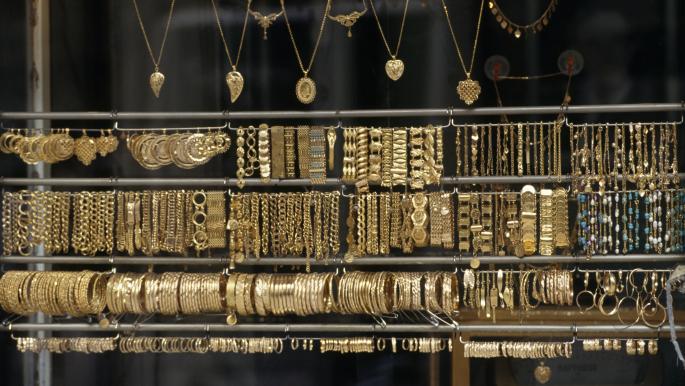
The price of 21-carat gold in the Syrian market saw a significant increase today, rising by 150 Syrian pounds compared to its price yesterday. This rise comes at a time when the region is experiencing political and economic tensions, increasing pressure on local markets.
Gold prices in Syria are heavily influenced by changes in the value of the US dollar, which has experienced notable fluctuations recently. As economic and political crises continue in the region, the demand for gold as a safe haven for investors is on the rise.
Details of the Price Increase
Today, the price of 21-carat gold reached 15,000 Syrian pounds, up from 14,850 Syrian pounds on Sunday. This increase is part of a broader trend in the market, where investors are reacting to ongoing events.
Concerns are growing about the impact of regional crises on the Syrian economy, prompting many citizens to purchase gold as a means of preserving the value of their money. Additionally, political tensions in neighboring countries directly affect the Syrian market, contributing to instability.
Background & Context
Historically, gold has been considered a stable asset that people turn to during times of crisis. In Syria, gold prices have seen sharp fluctuations over the past years due to the civil war and economic crises. With increasing economic pressures, gold has become the preferred choice for many.
In recent years, global gold prices have risen significantly, impacting local markets. As the dollar continues to fluctuate, these trends are expected to persist in the near future.
Impact & Consequences
The rise in gold prices affects citizens' purchasing power, making gold purchases more expensive. This situation may lead to a decrease in demand for gold, which could negatively impact the local market.
Moreover, rising gold prices may influence investments in other sectors, as investors might prefer to direct their funds toward gold rather than other areas, potentially slowing economic growth in certain fields.
Regional Significance
Syria is part of a region suffering from political and economic tensions, making it more susceptible to impacts than other countries. The increase in gold prices in Syria may indicate instability in the region, as investors seek safe havens.
In neighboring countries, markets are also affected by rising gold prices, as citizens in those nations strive to protect their money from inflation and economic pressures. This reflects a prevailing sense of uncertainty in the region.
In conclusion, gold remains one of the important assets in the Syrian markets, and the rise in its prices reflects the economic and political challenges facing the country. With ongoing tensions, gold is expected to remain a focal point for investors seeking safety.