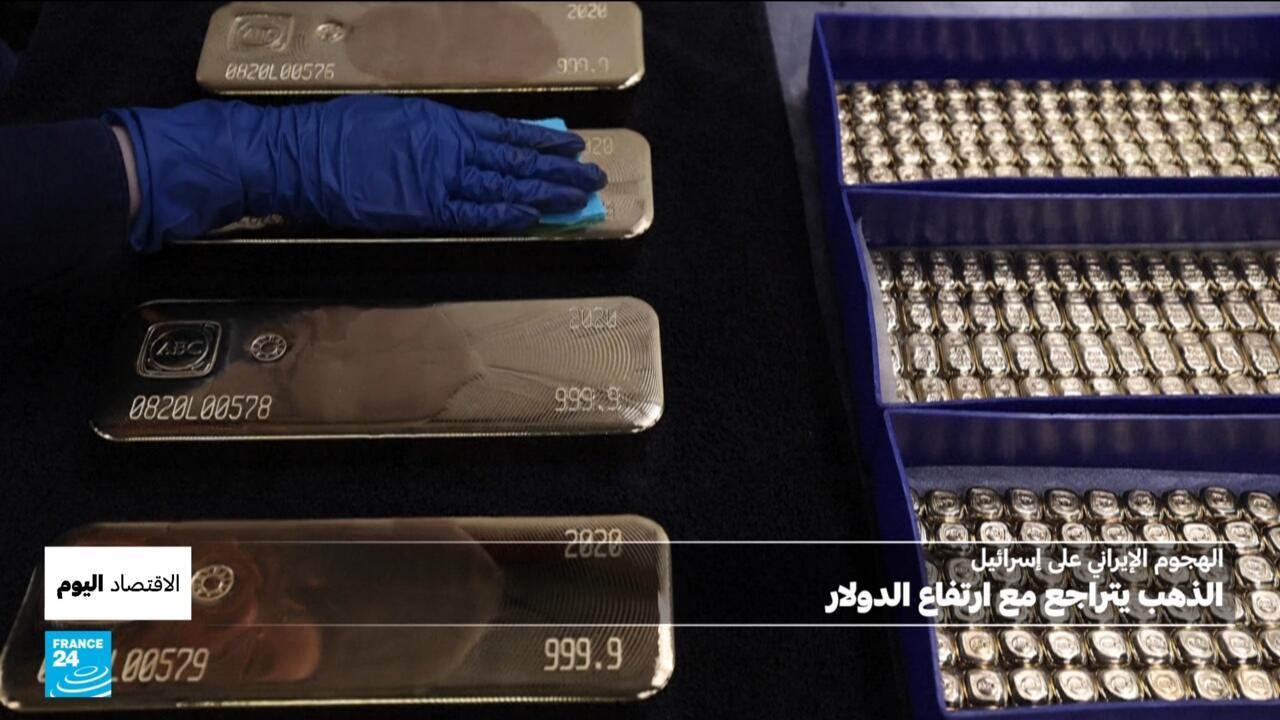
Gold prices saw a significant increase of over 2% on Wednesday, supported by a decline in the value of the US dollar. This rise came at a time when falling oil prices contributed to easing concerns related to inflation and tightening monetary policy, making the yellow metal appear as a safe haven for investors.
This increase in gold prices is a direct result of fluctuations in global markets, where the US dollar has notably weakened, making gold more attractive to foreign investors. At the same time, the decline in oil prices has alleviated inflationary pressures, providing markets with some hope for price stability.
Details of the Event
Gold prices in spot transactions rose by 2.1% to approximately $1950.10 per ounce, while gold futures increased by 2.2% to reach $1955.90 per ounce. This rise comes at a time when the US dollar is experiencing a significant decline, with the dollar index falling by 0.5%, reflecting the weakness of the American currency against other major currencies.
Oil prices also recorded a decrease, with Brent crude falling to around $90 per barrel, contributing to the alleviation of inflationary pressures affecting the markets. This decline in oil prices is a positive indicator for investors, reflecting a balance of supply and demand in global markets.
Background & Context
Historically, gold is considered a safe asset that investors turn to during times of economic uncertainty. In recent years, gold prices have experienced significant volatility due to changes in monetary policy by central banks, particularly the US Federal Reserve. As inflationary pressures continue, gold has become a preferred option for investors looking to protect their funds from market fluctuations.
It is noteworthy that gold prices have seen significant increases over the past two years, surpassing the $2000 per ounce mark at certain times. However, changes in monetary policy and global economic trends play a major role in determining price directions.
Impact & Consequences
The rise in gold prices is an indicator of increasing economic fears, as investors seek to protect their assets from inflation. This increase could impact financial markets in general, potentially leading to fluctuations in stock and bond prices.
Moreover, the decline of the US dollar may affect the American economy as a whole, as it could lead to increased import costs and impact the trade balance. At the same time, American exporters may benefit from a weaker dollar, potentially boosting exports.
Regional Significance
In the Arab region, gold is considered an important asset relied upon by many investors. With rising prices, investors in Arab countries may turn to increase their investments in gold as a means of protecting their funds. Additionally, the decline of the dollar may impact the economies of Arab countries that rely on the dollar in their trade.
Overall, changes in gold prices can lead to significant effects on financial markets in the region, as investors seek to adapt to changing economic conditions.
As global economic tensions continue, gold remains a preferred choice for investors. Gold prices are expected to continue fluctuating, requiring investors to closely monitor the markets.