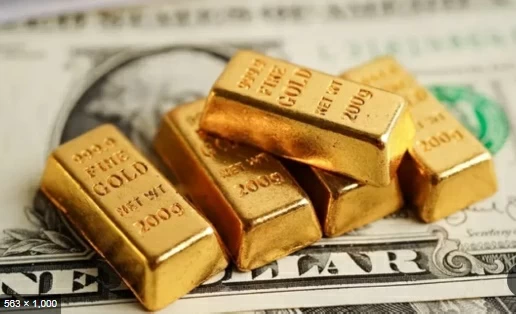
Gold prices rose significantly today, recording a spot price of $4,541.76 per ounce, an increase of 1.1%, after experiencing a similar rise earlier in the session. Meanwhile, U.S. gold futures for April delivery also increased by 1.1%, reaching $4,572.20.
In a related context, other precious metals also saw notable increases, with silver rising by 2.2% in spot trading, reaching $71.13 per ounce. Platinum's price increased by 2.9% to $1,917.60, while palladium rose by 4.1%, recording $1,433.55.
Details of the Event
This surge in gold prices comes at a time when the U.S. dollar is declining, making commodities priced in the U.S. currency more attractive to holders of other currencies. However, gains in gold prices have been limited due to the sharp rise in energy prices, which has heightened concerns about inflation.
By 03:30 GMT, the spot price of gold had recorded an increase of 0.3%, reaching $4,505.86 per ounce, while U.S. gold futures for April rose by 0.3% to $4,535.80.
Background & Context
Historically, gold is considered a safe haven for investors during times of economic uncertainty. As concerns about inflation rise due to increasing energy prices, many investors are turning to gold as a means to protect their wealth. Additionally, expectations regarding the U.S. Federal Reserve's policy play a significant role in gold price movements, with current forecasts indicating a reduced likelihood of interest rate cuts this year.
Gold prices are an important indicator of the health of the global economy, influenced by various factors including inflation, interest rates, and demand for precious metals.
Impact & Consequences
The rise in gold prices directly affects global financial markets, potentially leading to changes in investment strategies. Moreover, higher gold prices may impact economies that heavily rely on precious metal exports, which could result in shifts in economic policies.
Furthermore, the increase in gold prices may lead to higher production costs for many industries, which could negatively affect consumer prices and increase inflationary pressures.
Regional Significance
In the Arab region, gold is considered one of the most important investment assets, with many Arab investors preferring to hold gold as a means of protecting their wealth. Additionally, rising gold prices may affect local markets, potentially leading to increases in jewelry and gold product prices.
It is worth noting that many Arab countries rely on gold exports as a primary source of revenue, making them sensitive to fluctuations in global prices.
In conclusion, gold remains one of the most significant precious metals impacting the global economy, and with ongoing concerns about inflation, its prices are expected to remain under scrutiny in the upcoming period.