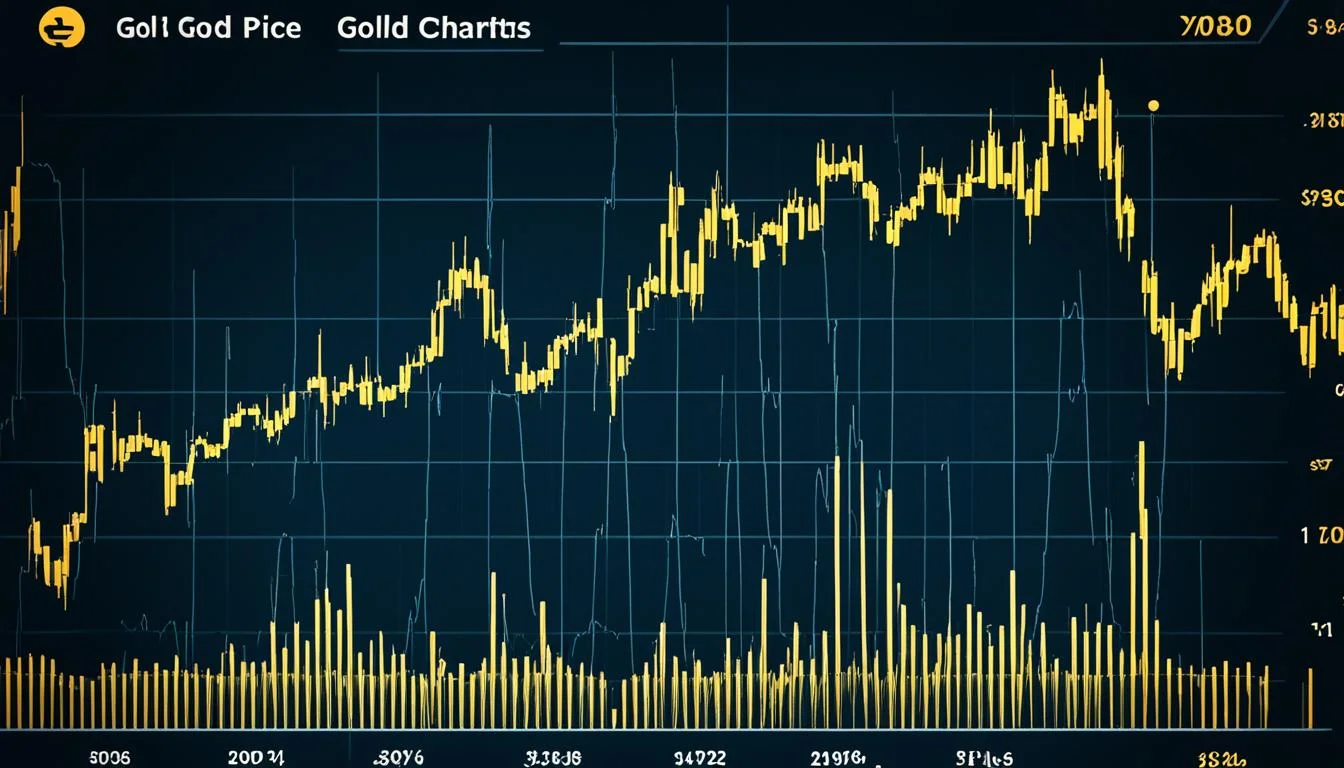
Gold prices saw a slight increase on Tuesday, rising by 0.8% to reach $4544.19 per ounce as of 01:14 GMT. However, the yellow metal is heading toward its worst monthly performance in over 17 years, as hopes for a reduction in U.S. interest rates have diminished.
This development comes amid rising energy prices, which have negatively impacted investor expectations regarding the monetary policy of the U.S. Federal Reserve. The increase in oil and natural gas prices may hinder the central bank's ability to lower interest rates, something investors had hoped for to boost demand for gold as a safe haven.
Details of the Event
Gold prices are considered an important indicator in the global economy, as they are directly affected by changes in interest rates. When interest rates rise, investors tend to shy away from gold, which does not yield returns, leading to a decrease in its prices. Currently, the U.S. dollar is experiencing relative weakness, which has contributed to a slight increase in gold prices, but this has not been enough to offset significant monthly losses.
It is worth noting that gold prices have experienced significant fluctuations over the past months, having reached record highs earlier in the year. However, negative economic forecasts have led to a notable decline in prices.
Background & Context
Over the years, gold has been considered a safe haven for investors during times of economic crises. In recent years, financial markets have experienced significant volatility due to several factors, including the COVID-19 pandemic, geopolitical tensions, and changes in monetary policies. However, the current rise in energy prices may have long-term effects on financial markets.
In this context, attention is turning to the upcoming meeting of the U.S. Federal Reserve, where future monetary policies are expected to be discussed. Any decision made could directly impact gold prices, keeping investors on alert.
Impact & Consequences
The impact of declining gold prices on financial markets could be significant, as falling prices may lead to reduced confidence in the markets. Additionally, a drop in gold prices could affect countries that heavily rely on gold exports, potentially leading to negative economic repercussions.
Moreover, the decline in gold prices may affect individual investors who consider gold a part of their investment portfolios. If this trend continues, investors may have to reassess their investment strategies.
Regional Significance
The Arab region is among the largest gold producers in the world, with the gold industry playing an important role in the local economies of many countries. A decline in gold prices could affect government revenues in producing countries, leading to broader economic implications.
Furthermore, changes in gold prices may impact local markets, as many investors and traders rely on gold prices to determine their strategies. If the price decline persists, we may witness negative effects on the jewelry and trade sectors in the region.
In conclusion, gold remains one of the important assets in financial markets, reflecting global economic fluctuations. As economic challenges continue, investors remain vigilant for what future developments may bring.