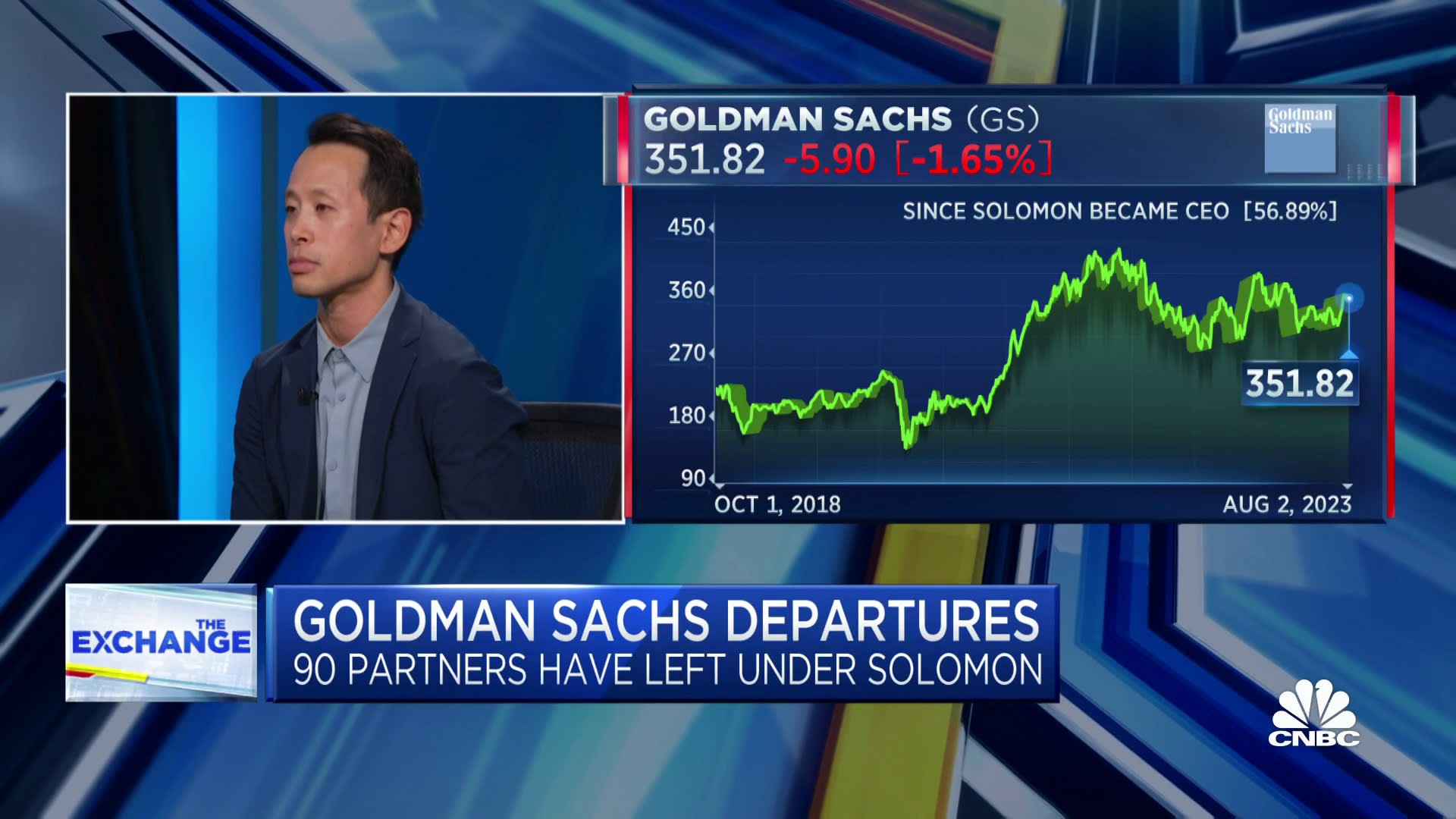
Goldman Sachs has announced that its reliance on institutional investors rather than wealthy individuals has contributed to the protection of its private credit fund, valued at $15.7 billion, from the significant downturn experienced by other private credit funds in the market. This announcement comes at a time when the sector is facing increasing pressures due to declining confidence in private investments.
In the current economic climate, it appears that Goldman Sachs has succeeded in attracting more stable and resilient investors, which has helped its fund navigate the challenges faced by others. Analysts have noted that this shift towards institutional investors may have a positive impact on the fund's performance in the future.
Event Details
Goldman Sachs is considered one of the largest financial institutions in the world, and it has managed to maintain the stability of its private credit fund amid the difficult conditions facing the market. Reports have shown that other funds have experienced significant outflows of investors, leading to a noticeable decline in their values.
The success of Goldman Sachs can be attributed to its strategy of attracting institutional investors, who have a greater capacity to withstand market fluctuations compared to wealthy individuals. This approach may provide the fund with a sustainable base of financial support, enhancing its ability to face future challenges.
Background & Context
Over the years, private credit markets have undergone significant changes, becoming more susceptible to economic fluctuations. Recently, concerns about declining private investments have prompted many investors to reassess their investment strategies. This has led to a mass exodus from some funds, negatively impacting their performance.
Historically, private credit funds have relied heavily on wealthy individuals, but with increasing economic pressures, these funds have begun to struggle to retain their investors. In this context, it seems that Goldman Sachs has taken proactive steps to avoid these challenges by broadening its investor base.
Impact & Consequences
The success of Goldman Sachs in maintaining its private credit fund represents a positive sign amid difficult economic conditions. This success may encourage other financial institutions to adopt similar strategies, potentially leading to a shift in how private credit funds are managed.
Furthermore, this trend towards institutional investors could enhance stability in the financial market, helping to reduce volatility and bolster confidence in private investments. Ultimately, this could have a positive impact on the economy as a whole, as it may lead to increased investments in new projects.
Regional Significance
In light of the economic challenges facing many Arab countries, Goldman Sachs' experience could serve as an important lesson for investors in the region. This success may encourage Arab financial institutions to reassess their investment strategies and focus on attracting institutional investors to ensure the sustainability of their investments.
Moreover, enhancing private investments in the region could contribute to supporting economic growth and boosting job opportunities, benefiting local communities. Ultimately, this news represents an opportunity for Arab investors to rethink their investment strategies.