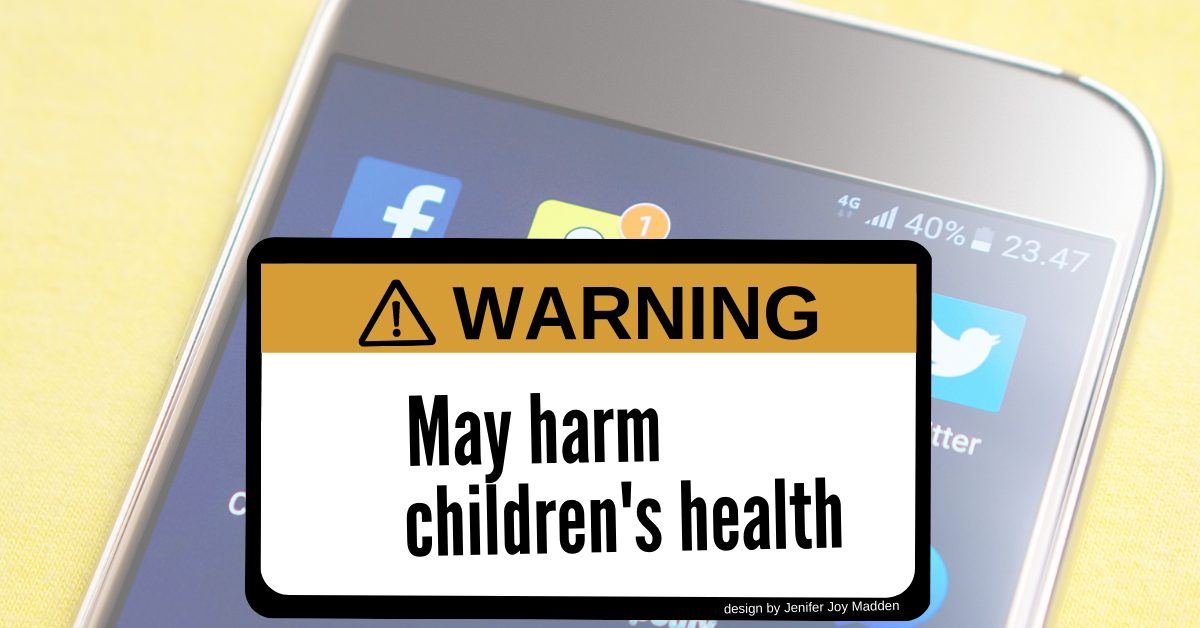
Kate Alisi, the General Manager and Vice President of Google in the UK and Ireland, has warned that imposing a ban on social media for children under the age of 16 is not the optimal solution. She pointed out that such a measure could push children to seek unsafe alternatives online, increasing their exposure to harmful content.
In an interview with the British PA Media agency, Alisi confirmed that banning access to these platforms could have counterproductive results, as children may find themselves in more dangerous environments, away from parental and educator supervision. She explained that the real challenge lies in how to provide a safe online environment for children rather than imposing strict restrictions.
Details of the Event
Alisi's statements come at a time when calls are increasing worldwide to protect children from online dangers, with concerns being raised about the impact of social media on children's mental health and social development. Some governments have launched initiatives aimed at setting specific age limits for accessing these platforms, which has sparked widespread debate about the effectiveness of such measures.
On the other hand, Google is working to develop new tools that help parents monitor their children's internet usage, reflecting the company's commitment to improving the experience of young users. These steps are part of broader efforts to create a safer digital environment for children.
Background & Context
In recent years, concerns have grown regarding the impact of social media on children and teenagers, with multiple studies showing that excessive use of these platforms can lead to psychological issues such as depression and anxiety. Issues related to cyberbullying and harmful content have prompted many governments to consider imposing restrictions on access to these platforms.
Historically, there have been multiple attempts to regulate children's internet usage, but the results have been mixed. Some studies suggest that bans may not be effective, while others emphasize the importance of guidance and education over strict restrictions.
Impact & Consequences
If a comprehensive ban on social media for children under 16 were to be implemented, it could exacerbate the problem rather than solve it. Children might turn to unregulated platforms, increasing their exposure to harmful content. Therefore, more effective solutions may lie in enhancing digital awareness and educating children on how to use the internet safely.
Furthermore, these policies could affect how children interact with technology in the future. Instead of developing their digital skills, children may find themselves trapped in an unsafe environment, hindering their growth and development.
Regional Significance
In the Arab region, concerns are rising regarding children's use of the internet and social media. As the number of internet users in Arab countries increases, there is a pressing need to develop effective strategies to protect children from potential risks. Adopting a comprehensive approach that combines digital education and parental supervision may be beneficial.
Moreover, the discussion around banning social media for children could open the door to a broader dialogue on how to address digital challenges in the Arab world, requiring cooperation between governments, businesses, and civil society.
In conclusion, there must be a balance between protecting children from digital risks and empowering them to use technology safely and effectively. Ongoing dialogue on these issues will be essential to ensure a safe future for children in an increasingly digital world.