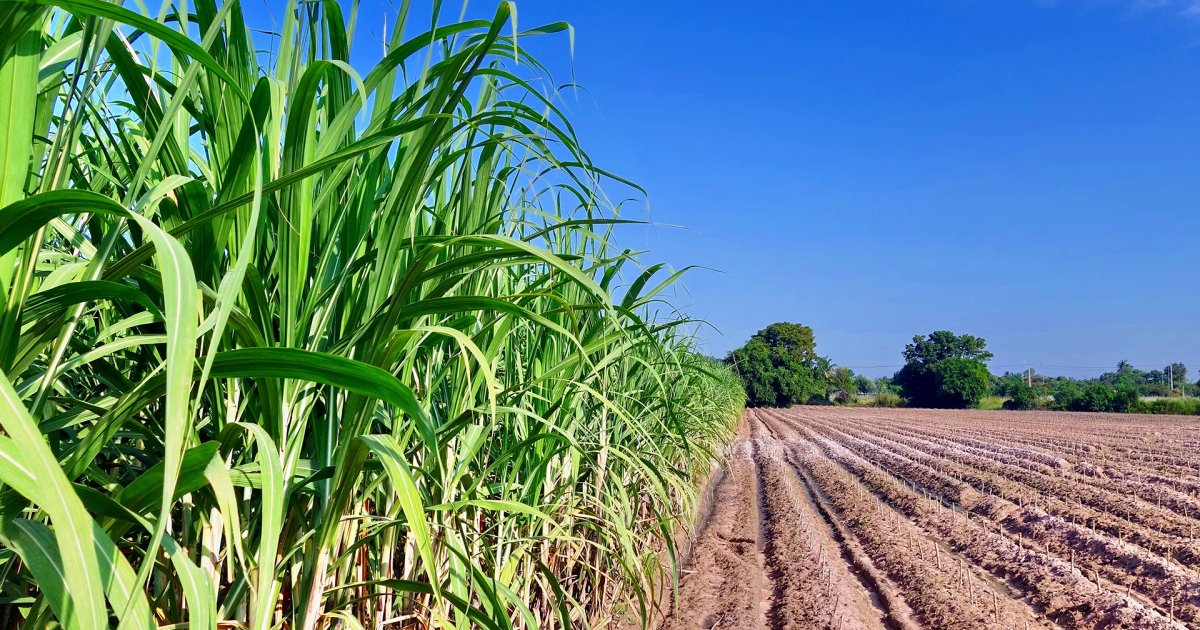
In a move reflecting the Indonesian government's commitment to supporting sugarcane farmers, BULOG has announced its efforts to facilitate the marketing of agricultural crops in the Blora region. The company confirmed that it will assist in delivering crops to the sugar mills operated by PT Sinergi Gula Nusantara, as part of its endeavor to enhance food security and improve farmers' conditions.
This announcement was made by BULOG's Director General, Dr. Ahmad Rizal Ramdhani, during a press conference in Semarang, where he explained that this initiative aims to ensure effective absorption of crops by the local sugar industry, thereby guaranteeing added value for farmers.
Details of the Initiative
BULOG aims to enhance cooperation between farmers and the sugar industry through this initiative, acting as a link between farmers' needs and the industry's capabilities. Ramdhani noted that this step comes in response to demands from some farmers in Blora, who expressed concerns about marketing their crops.
He also confirmed that BULOG will coordinate with relevant authorities, such as local government and sugar companies, to ensure a smooth marketing process, ensuring that farmers benefit from their efforts.
Background & Context
Historically, sugarcane has been one of the essential agricultural crops in Indonesia, playing a significant role in the local economy. However, farmers have faced numerous challenges in marketing their crops, negatively affecting their income. Thus, this initiative is part of the government's efforts to improve farmers' conditions and enhance food security in the country.
Indonesia is one of the largest sugar producers in Asia, but it faces challenges in achieving self-sufficiency. Therefore, supporting farmers by facilitating crop marketing is a strategic step to improve productivity and bolster the local economy.
Impact & Consequences
This initiative is expected to contribute to improving farmers' income and increasing sugarcane productivity in Blora. It will also help reduce the gap between farmers and the sugar industry, thereby enhancing market stability and ensuring the availability of sugar at reasonable prices for consumers.
Moreover, this step reflects the Indonesian government's commitment to improving the living conditions of farmers, which may lead to increased trust between farmers and government entities.
Regional Significance
While the news focuses on Indonesia, the lessons learned from this model could be significant for Arab countries facing similar challenges in the agricultural sector. Enhancing cooperation between farmers and food industries can contribute to improving food security in the region.
Furthermore, supporting farmers by facilitating the marketing of their products could serve as a model for Arab countries, where many face issues in marketing agricultural crops.