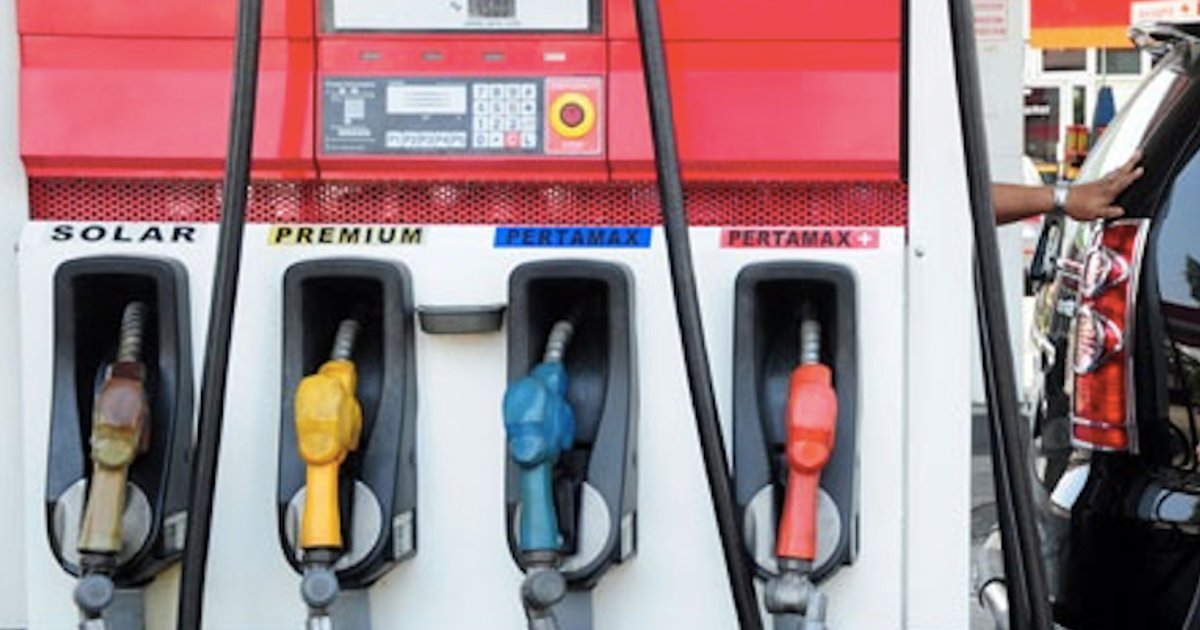
The Indonesian Ministry of Energy and Mineral Resources (ESDM) has confirmed that the supplies of fuel and liquefied gas in the Lampung region are secure during the return period of Eid al-Fitr 1447 Hijri. This confirmation came after a field visit by ministry officials to ports and strategic locations in the area.
Committee member of BPH Migas, Erika Retnowati, reported that the ministry's team communicated with port management to monitor fuel usage by ships. She noted that the refueling process is running smoothly, despite the need to increase storage capacity at Merak Port.
Details of the Inspection Tour
During the tour, fuel stations along the transit route on Sumatra Island were inspected, where the ministry confirmed that fuel stocks of all types are sufficient, despite a noticeable increase in consumption. Data indicated that consumption of Pertamax gasoline saw a 50% increase, while Pertalite consumption rose by 30% during the holiday period.
On the other hand, diesel consumption decreased due to restrictions on truck movements during the holiday. Erika assured citizens that there is no need to worry about fuel shortages, as queues at fuel stations are operating normally.
Background & Context
Indonesia is one of the largest oil and gas producers in Southeast Asia, heavily relying on these resources to meet its domestic needs. As Eid al-Fitr approaches, the demand for fuel increases due to the significant travel activity across the country.
Historically, Indonesia has faced fuel supply crises during holidays, prompting the government to take proactive measures to ensure the availability of fuel and gas. These efforts have helped build public confidence in the government's ability to manage crises.
Impact & Consequences
These government actions underscore the importance of effective planning in resource management during peak periods, as any supply crisis could lead to significant disruptions in citizens' daily lives. Additionally, the availability of fuel and gas contributes to price stability and boosts local economic activity.
It is expected that these measures will enhance trust between citizens and the government, which could positively reflect on economic performance in the future. Moreover, stable energy supplies are a crucial factor in attracting both foreign and domestic investments.
Regional Significance
Indonesia serves as a model in managing natural resources during crises, a lesson that Arab countries facing similar challenges could benefit from. With the increasing demand for energy in the Arab world, it becomes essential to enhance strategic planning to ensure supply sustainability.
Furthermore, cooperation between Arab countries and Indonesia in the energy sector could open new avenues for trade and investment, benefiting all parties involved.