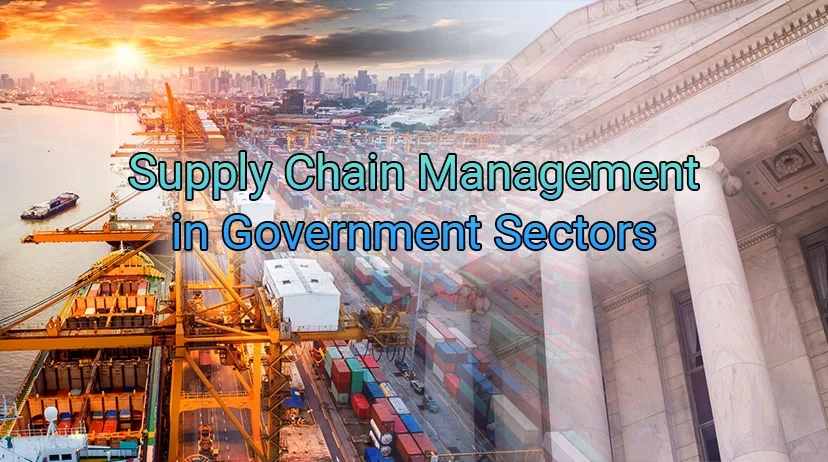
The government has announced the continued stability of supply chains in the country, reaffirming its ongoing efforts to reduce production costs. These statements are made in light of the current economic conditions facing many sectors.
In a press conference, the official spokesperson for the government clarified that there are clear strategies aimed at improving production efficiency and reducing costs. He pointed out that these efforts include enhancing cooperation with the private sector and streamlining administrative procedures.
Event Details
The government aims to achieve market stability by ensuring the flow of goods and essential materials. Several steps have been taken to ensure that supply chains are not affected by global crises, including strengthening partnerships with local and international suppliers.
Plans have also been announced to support local industries through financial incentives and banking facilities, contributing to enhancing the competitiveness of national products.
Background & Context
Global markets are facing significant challenges due to economic and political crises, which directly impact supply chains. These crises have affected raw material prices, prompting many governments to take urgent measures to protect their economies.
In this context, the government seeks to strike a balance between supporting local production and meeting market needs, reflecting its commitment to achieving economic stability.
Impact & Consequences
If the government succeeds in achieving its goals, it will lead to an overall improvement in the economic situation, contributing to the creation of new job opportunities and increasing investments. Additionally, reducing production costs will help improve citizens' purchasing power.
However, the biggest challenge remains how to deal with global fluctuations and their impact on the local market, requiring flexible strategies that can adapt to changes.
Regional Significance
These efforts are significant not only at the local level but also have direct implications for the Arab region as a whole. The stability of supply chains in one country can serve as a model for other countries facing similar challenges.
Moreover, improving production costs may contribute to enhancing intra-Arab trade, thereby promoting regional economic integration.
In conclusion, the government's efforts to improve supply chains and reduce production costs represent a positive step towards achieving economic stability, but it requires continuous monitoring and adaptation of strategies to global changes.