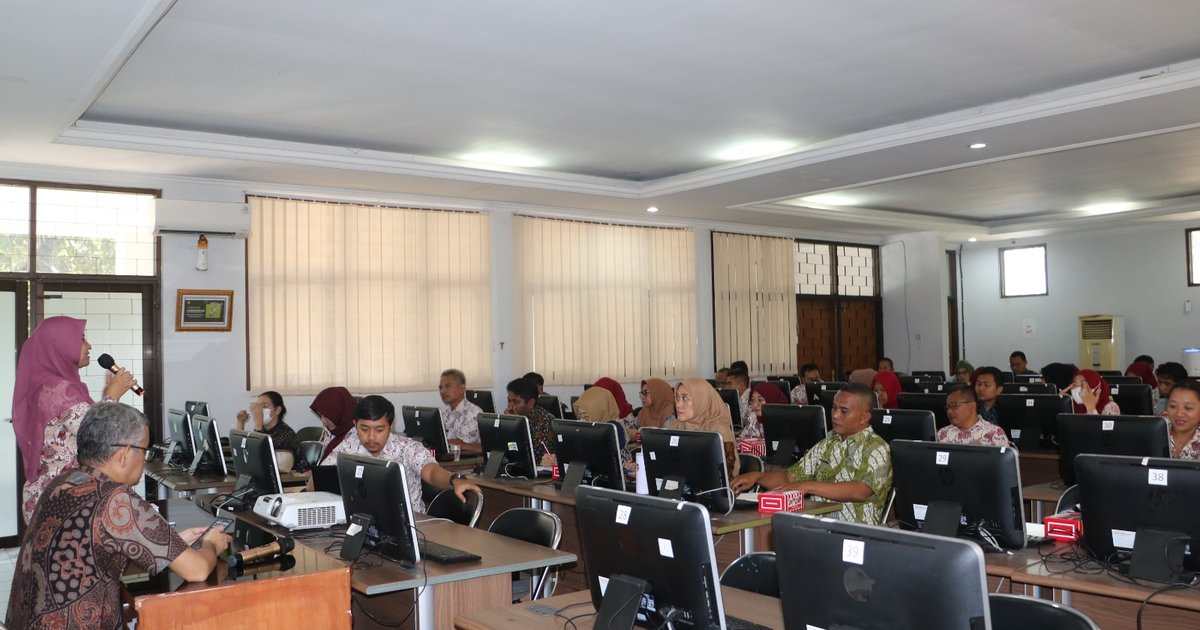
The Indonesian government of Bogor has announced its appreciation for data collection efforts aimed at enhancing the accuracy of information regarding social assistance beneficiaries. This initiative is part of the government's commitment to ensure support reaches the most needy populations. A comprehensive awareness campaign has been implemented to collect data, reflecting the government's dedication to improving the social assistance system.
The data collection process is a fundamental part of the government's strategy to ensure fair and effective distribution of aid. Local authorities have confirmed that these efforts will help in more accurately identifying deserving groups, thereby reducing errors that may occur in the distribution of assistance.
Details of the Initiative
As part of this campaign, several workshops and awareness sessions have been organized for citizens, where the importance of providing accurate information about their social and economic status was explained. Modern techniques have been employed for data collection, facilitating the verification process of the information provided.
Reports indicate that the government has prepared a special team of trained staff to gather data from various neighborhoods, ensuring access to as many beneficiaries as possible. Citizens have responded positively to this initiative, with many expressing the importance of this step in improving their quality of life.
Background & Context
Social assistance is a crucial component of government policies in Indonesia, aimed at supporting vulnerable and needy groups. In recent years, there has been an increase in the number of beneficiaries of this assistance, necessitating improvements in data collection mechanisms to ensure support reaches those entitled to it.
Historically, the government has faced numerous challenges in managing social assistance programs, including issues of corruption and mismanagement. Therefore, improving data accuracy is a vital step towards enhancing trust between the government and citizens.
Impact & Consequences
These efforts are expected to improve the effectiveness of social assistance programs, leading to an enhanced standard of living for the beneficiary groups. Furthermore, improving data accuracy can assist the government in making more informed decisions regarding resource allocation and better directing support.
Additionally, this initiative may pave the way for developing new programs targeting the most needy groups, thereby enhancing the government's capacity to address economic and social challenges.
Regional Significance
The Bogor experience serves as a model that can be beneficial for many Arab countries facing similar challenges in managing social assistance programs. Improvements in data collection can enhance the effectiveness of these programs, benefiting local communities.
In light of the economic crises faced by some Arab countries, improving social support mechanisms is essential to ensure community stability and enhance living standards.
In conclusion, the efforts of the Bogor government to improve the accuracy of data regarding social assistance beneficiaries represent a positive step towards enhancing transparency and efficiency in managing social support. It is crucial that these efforts continue and are expanded to ensure maximum benefit for citizens.